
After a two-week standoff that ground the Texas legislature to a halt, the Democratic lawmakers who fled the state to block a Republican redistricting plan are returning. Their return is not a surrender. It is a calculated move in a much larger, and more constitutionally dangerous, political war.
The Democrats are coming back not because of a compromise reached in Texas, but because of a promise of retaliation from California. This sequence of events – a mid-decade gerrymander, a quorum-breaking walkout, and a threat of a counter-gerrymander – is a stark and sobering illustration of a constitutional process in crisis. It is what happens when the unwritten norms of governance collapse, and political actors resort to brute-force tactics.
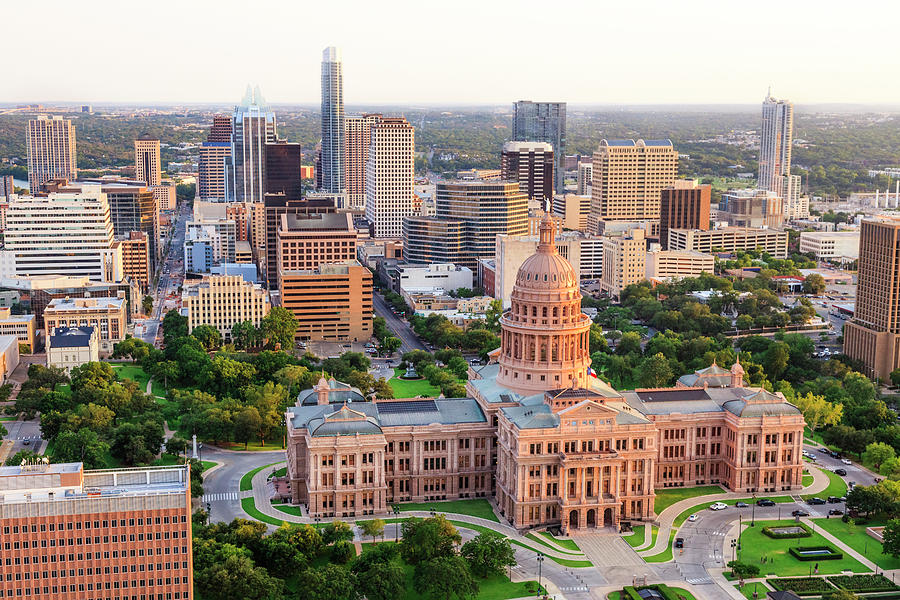
A Constitutional Tool as a Political Weapon
The decision by Texas Democrats to flee the state was an act of political desperation that weaponized a core constitutional procedure. The requirement for a quorum – the minimum number of members who must be present for a legislative body to conduct business – is a bedrock principle of representative government. It is designed to ensure the legitimacy of the laws that are passed.
By physically leaving the state’s jurisdiction, the Democrats transformed this procedural safeguard into a political veto.
It is a brute-force tactic, a complete shutdown of the legislative branch designed to prevent the majority party from exercising its will. While it may be a legitimate last resort for a minority with no other options, its use is a clear sign that normal, deliberative politics has completely failed.
The New Logic of Retaliation
The reason for the Democrats’ return is even more constitutionally alarming. They are not returning to a negotiated compromise in Austin.
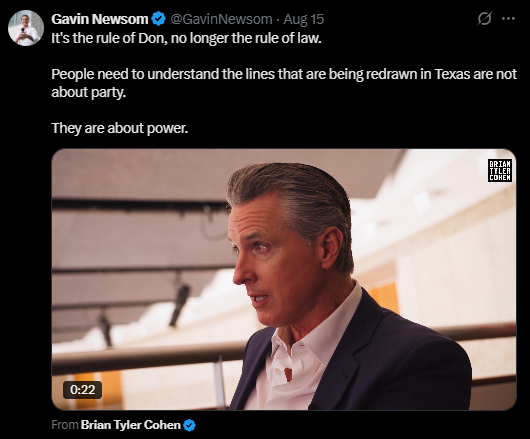
They are returning because Governor Gavin Newsom in California is now moving forward with a plan to have his state conduct its own mid-decade redistricting to “neutralize” the Republican gains in Texas.

This sets a terrifying new precedent for American federalism. It suggests that the solution to a political power play in one state is to escalate the conflict with an even bigger one in another. This is the logic of mutually assured destruction applied to partisan gerrymandering, where the stability of the entire national political map is held hostage in a state-by-state arms race.
The Aftermath of Rucho v. Common Cause
This entire chaotic scenario is the direct and predictable consequence of the Supreme Court’s 2019 decision in Rucho v. Common Cause. In that landmark case, the Court declared that the issue of partisan gerrymandering was a “political question” that was beyond the reach of federal courts to solve.
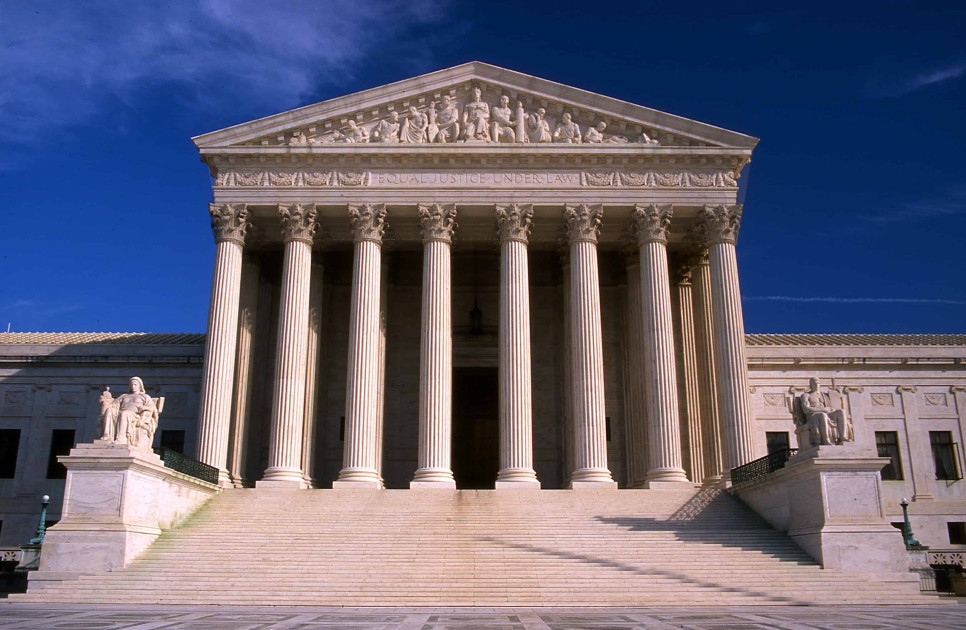
By removing the judiciary as a referee, the Supreme Court created a constitutional vacuum. Into that vacuum has rushed a bare-knuckle political brawl with no clear rules. States with a unified party in power, like Texas, are now free to maximize their partisan advantage without fear of a federal court stepping in. In response, states like California now feel they have no choice but to abandon their own good-government reforms and retaliate in kind to avoid being unilaterally disarmed.
The return of the Texas Democrats is not a return to normalcy. It is an entry into a new and more dangerous phase of political warfare. Our constitutional system relies on more than just written rules; it relies on unwritten norms of restraint and good faith. The weaponization of the quorum and the logic of retaliatory gerrymandering are symptoms of a republic in which the pursuit of raw political power has begun to eclipse the principles of constitutional governance.