
Just last week, the President was issuing ultimatums and threatening sanctions against Russia. This week, after a single, private meeting with Vladimir Putin in Alaska, he is hosting the Ukrainian president in Washington to present a “comprehensive settlement” that reportedly requires major concessions from Ukraine, including ceding territory and forswearing NATO membership.
This stunning reversal is a powerful case study in the solitary and transformative nature of presidential diplomacy. It is a raw display of the President’s constitutional authority to set the nation’s foreign policy.
But it also brings into sharp focus the vital, and often overlooked, constitutional guardrails that prevent a president from unilaterally deciding the terms of war and peace.
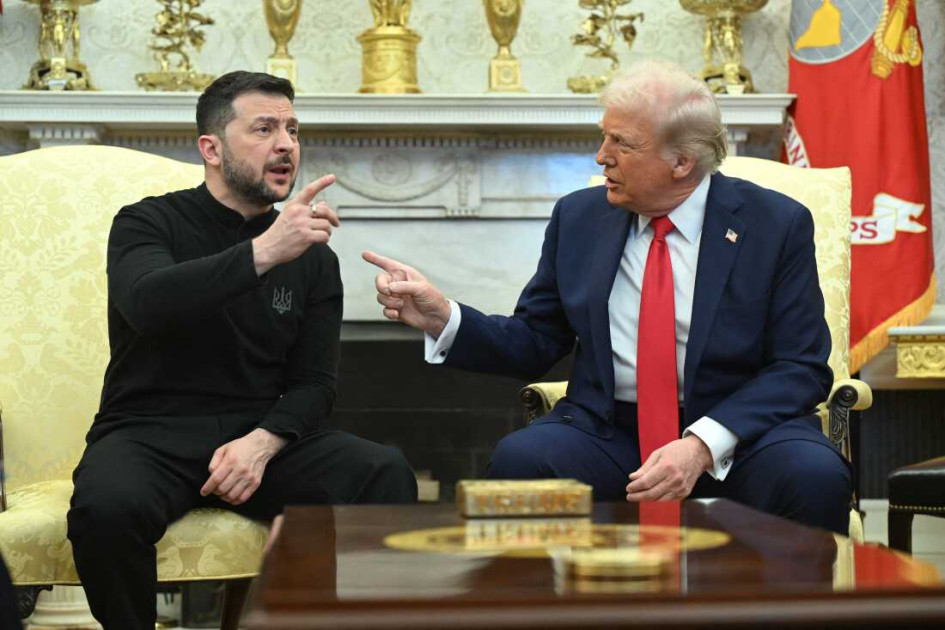
From Sanctions to “Settlement”
To understand the magnitude of this policy shift, we must recall the context. Before the Alaska summit, the administration was on a hardline path, shortening its deadline for a ceasefire and threatening massive new tariffs. After the summit, that language has vanished.
The administration has, as one analyst noted, “completely abandoned his demand for a rapid ceasefire, and his threat to impose sanctions.” It has instead adopted the Russian-favored language of a “comprehensive settlement” that addresses the supposed “root causes” of the war – a framework that critics argue is designed to undermine Ukrainian sovereignty.
This pivot did not happen through a deliberative policy process; it happened in a private meeting between two men.
The Power and Peril of Presidential Diplomacy
This is a stark demonstration of the President’s immense power under Article II of the Constitution. As the nation’s chief diplomat, the President has the undisputed authority to meet with foreign leaders and conduct negotiations. This power is at its most potent in a bilateral summit, where the personal judgment of the President can alter the course of a war.
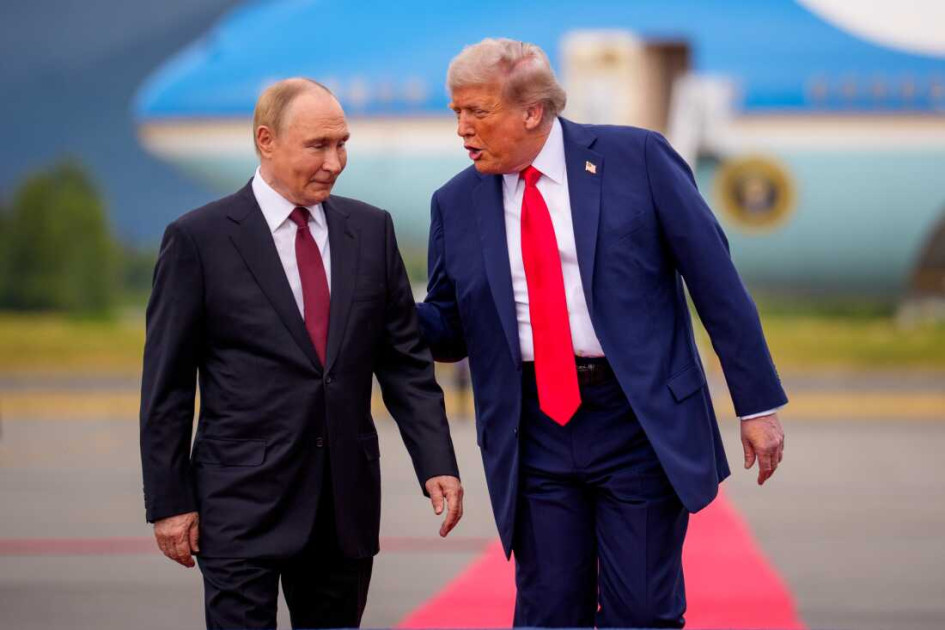
But this solitary power carries immense peril. In a startling admission, a U.S. envoy revealed that Vladimir Putin had “agreed to allow” the United States to provide security guarantees to Ukraine.
As Russia analyst Nigel Gould-Davies noted, this is an “astonishingly weak” position, as it implies that the United States now requires “Russia’s permission and approval” to form an alliance with a sovereign nation. This is the kind of profound concession that can be made in a private, presidential-led negotiation, far from the scrutiny of Congress or the public.
The Senate and the Purse
While the President has the authority to negotiate such a settlement, he cannot unilaterally bind the United States to it. This is where the Constitution’s most important guardrails come into play.
- The Treaty Clause: Any formal agreement that commits the United States to long-term “security guarantees” for Ukraine would almost certainly have to be ratified as a treaty. Under Article II, Section 2, this requires the “Advice and Consent of the Senate” and must be approved by a two-thirds majority. The President can propose the deal, but the Senate has the final say on whether to make it the law of the land.
- The Power of the Purse: Furthermore, any peace settlement that requires American funding – whether for Ukrainian reconstruction or for monitoring the peace – must be appropriated by Congress. Under Article I, Congress holds the exclusive power of the purse. It can refuse to fund any deal it finds objectionable.
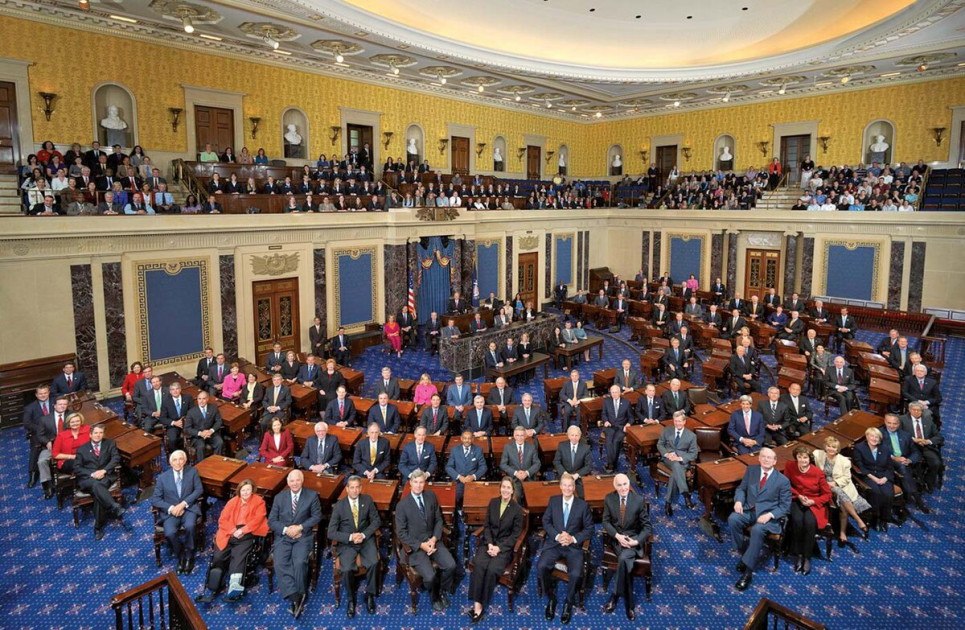
The President is now presenting President Zelenskyy with a stark choice, one forged in a private meeting with his adversary. This entire episode is a powerful reminder of the immense authority the Constitution grants the President in foreign affairs, but also of the crucial checks held by the legislative branch. The President can broker a peace, but only Congress can ratify and fund a lasting American commitment. The coming weeks will be a major test of whether those constitutional guardrails still hold.