
The President of the United States and the President of Russia are set to meet in Alaska on Friday to discuss the fate of Ukraine. The most significant detail of this high-stakes summit, however, is not who will be in the room, but who will be absent. Ukrainian President Volodymyr Zelenskyy has not been invited.
This is a moment of profound diplomatic and constitutional significance. The meeting is a raw display of presidential power, reviving a style of “Great Power” politics where the futures of smaller nations are decided by giants.
While the President has the clear constitutional authority to conduct such a meeting, the act of sidelining a democratic ally raises fundamental questions about the principles of sovereignty and America’s role in the world.
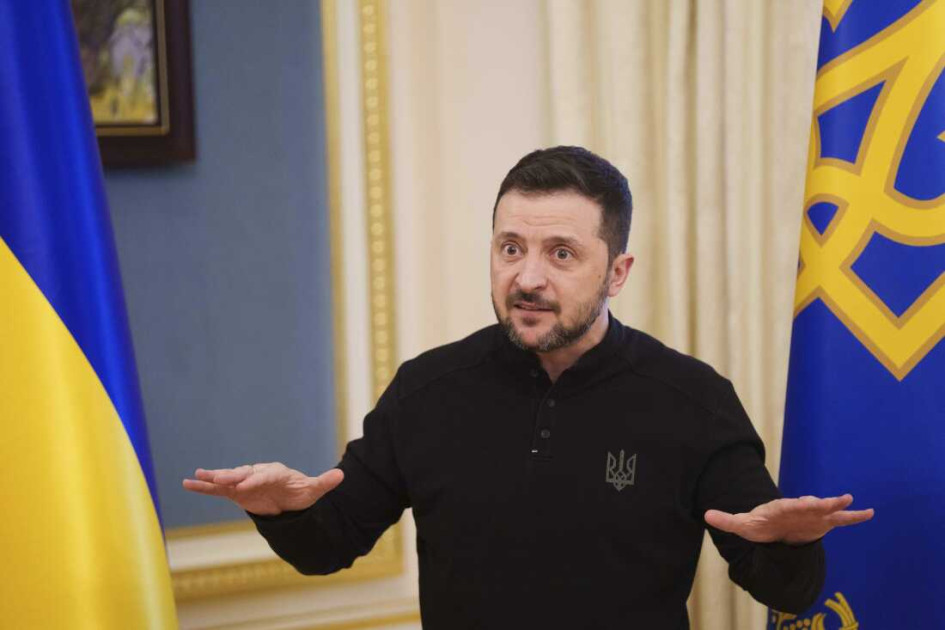
A Meeting of Two Powers, A Nation Excluded
The White House has framed the meeting as a fact-finding mission, a chance for President Trump to sit “face-to-face” with Vladimir Putin to get a “better understanding of how we can end this war.” The President has been candid about what a potential deal might entail, acknowledging that it would involve navigating “land swapping” issues.
This approach has been met with a sharp and principled rebuke from the nation whose very existence is on the table.
“Any decisions made against us, any decisions made without Ukraine — they are simultaneously decisions against peace,” President Zelenskyy stated. “These are dead decisions; they will never work.”
His statement captures the core tension of this summit. It is a clash between the reality of Great Power politics and the foundational principle of national sovereignty – a principle the United States has long claimed to champion.
The President’s Solitary Power in Foreign Affairs
Constitutionally, President Trump is on solid ground to hold this meeting. Article II of the Constitution vests the power to conduct the nation’s foreign policy in the President, making him the “sole organ” of the nation in its external relations. This authority includes the undisputed power to meet with any world leader he chooses, including an adversary like Vladimir Putin, without seeking the permission of Congress or any other nation.
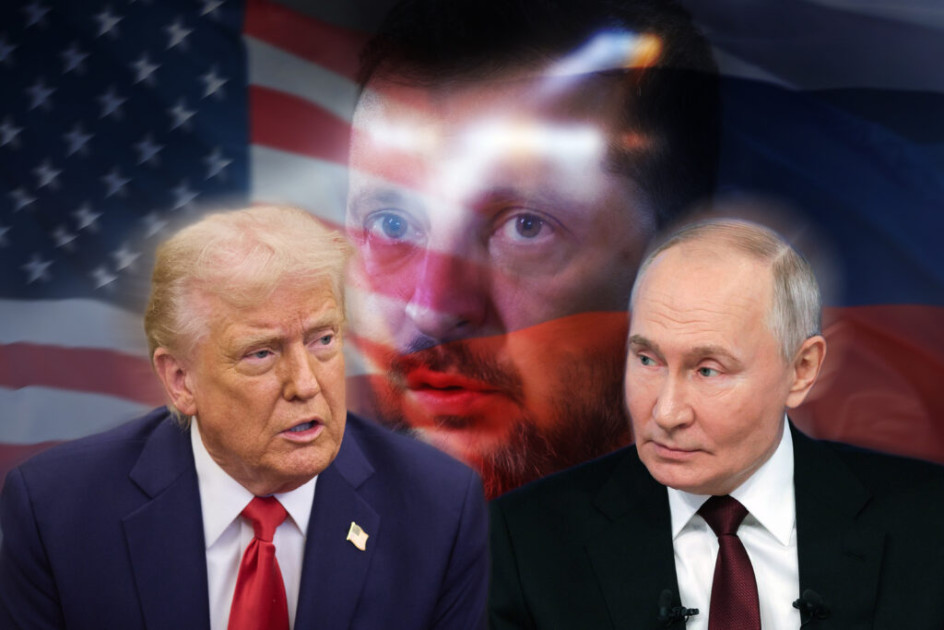
This power is immense. In these face-to-face encounters, a president can make commitments, shift alliances, and set the course of international events in a way no other official can. The fate of the war in Ukraine, and the stability of Europe, could hinge on what is said in a room in Anchorage, Alaska.
The Constitutional Check: The Role of the Senate
While the President has the power to negotiate, the Constitution places a powerful check on his ability to finalize a deal. Any formal, binding peace treaty that results from these talks would require the “Advice and Consent of the Senate,” which means a two-thirds majority vote for ratification.
This is the ultimate legislative guardrail on the President’s diplomatic power. He can negotiate a deal involving territorial changes or security guarantees, but he cannot unilaterally and formally bind the United States to such a treaty.
The Senate, representing the states and the American people, would have the final say. This ensures that a single executive cannot alone reshape our nation’s long-term foreign commitments.
The Alaska summit is a high-stakes constitutional and diplomatic gamble. It is a return to a model of international relations that many had hoped was a relic of the past. The President has the undeniable authority to hold this meeting. But the wisdom and legitimacy of determining the future of a democratic ally without its presence at the table is a question that transcends the letter of the law. The outcome will not only shape the map of Europe, but will also provide a powerful statement about America’s own character and its place in the world.