
Can the President Ban a Medical Procedure the States Have Legalized?
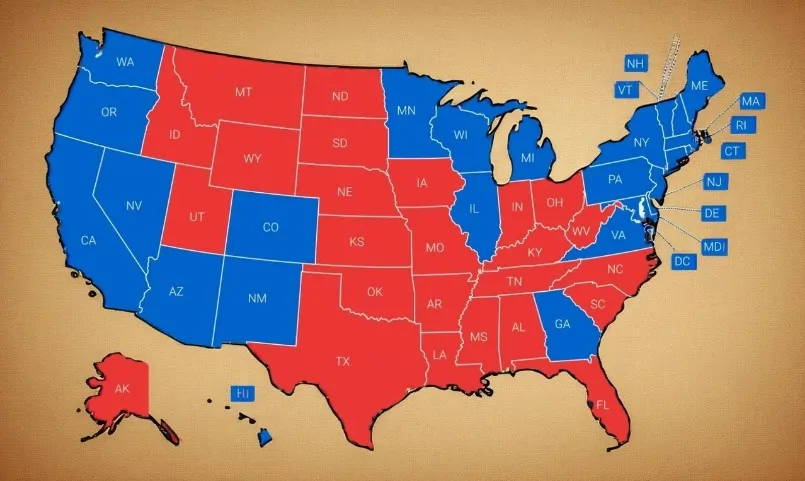
More than a dozen states, led by New York, have filed a major federal lawsuit against the Trump administration, seeking to block its aggressive new campaign against sex change procedures and treatments for minors. This legal battle is not merely another front in the culture war; it is a fundamental constitutional showdown over the principle of federalism.
The case pits the traditional power of states to regulate the practice of medicine against the President’s assertion of federal authority to set a nationwide standard. It forces the courts to answer a critical question: In our constitutional system, who has the ultimate power to regulate the doctor’s office—the states or the federal government?

A Campaign of “Harassment” or a Mission to “Protect”?
The conflict was ignited by a January executive order from President Trump, followed by a series of memos from Attorney General Pam Bondi’s Justice Department. These directives instructed federal prosecutors to investigate and prioritize the prosecution of doctors, hospitals, and pharmaceutical companies that provide gender-affirming care to minors.
The administration defends this as a necessary action to “stop the despicable mutilation and chemical castration of children.” In contrast, the coalition of states, led by New York Attorney General Letitia James, calls it a “cruel and targeted harassment campaign against providers who offer lawful, lifesaving care.”
The real-world impact is already being felt, as major institutions like Children’s Hospital Los Angeles and Kaiser Permanente have begun shutting down their youth gender programs in response to the federal pressure.
The Constitutional Battleground: Federalism and the 10th Amendment
This lawsuit is, at its core, a battle over the 10th Amendment.
The power to license doctors and regulate the practice of medicine has, for most of our nation’s history, been a core “police power” reserved to the individual states. The states suing the administration have made a policy choice, through their own democratic processes, to permit and regulate these medical procedures.
The Trump administration’s actions are a direct challenge to this federalist principle. By using the threat of federal prosecution by the Department of Justice, the executive branch is attempting to use its law enforcement power to effectively override the different policy choices made by these states.
This is the central conflict: a president seeking to impose a uniform national policy on a matter that has traditionally belonged to the states.
The Limits of Executive Power
The White House claims the President has the “lawful authority” to take these steps through “executive action.” This, however, raises serious constitutional questions about the separation of powers. A president cannot create new federal crimes by executive order. The authority being used here is the prosecutorial discretion of the DOJ, which the President is aiming like a weapon at a specific, politically charged target.
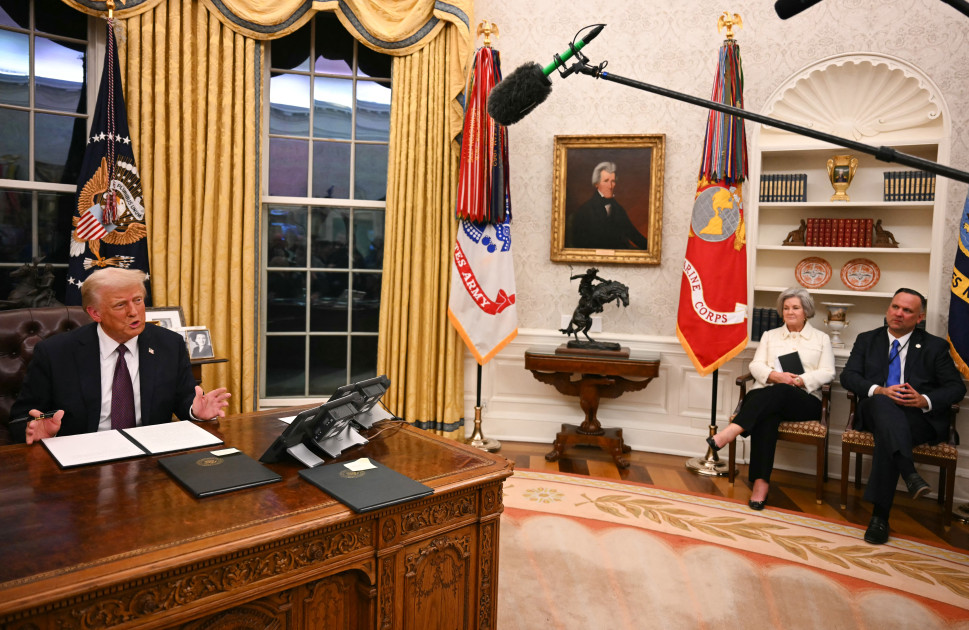
The states will argue that this is not a good-faith effort to enforce existing federal law, but an attempt to use the threat of investigation to create and enforce a national policy that Congress itself has not passed. It is an attempt to achieve a legislative goal through executive intimidation, a move that dangerously blurs the lines between the President’s duty to enforce the law and a desire to create it.
This lawsuit is about much more than one controversial medical procedure. It is about the fundamental structure of our republic. It asks whether the federal executive branch can use the threat of its immense law enforcement power to compel a uniform national policy on an issue where the states are deeply and legally divided. The answer will have profound implications for the future of federalism and the balance of power between the states and Washington, D.C.