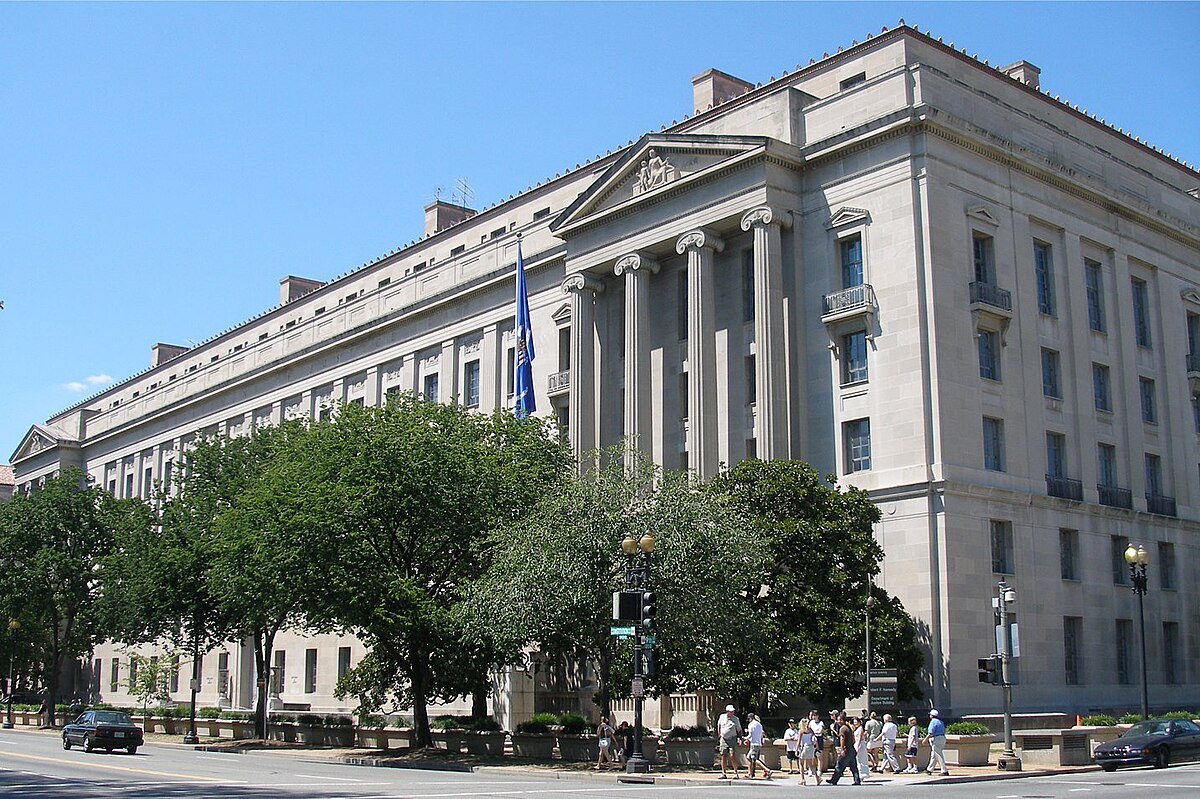
Imagine a 25-year-old aide, barely out of college, storming into the Consumer Financial Protection Bureau (CFPB) with a mandate to slash nearly 90% of its staff in days.
That’s exactly what Gavin Kliger, a Department of Government Efficiency (DOGE) operative, did in April 2025, unleashing chaos with 1,483 layoff notices—until a federal judge slammed the brakes, citing “deep concerns” over ethics and legality.
For everyday Americans counting on the CFPB to shield them from financial predators, Kliger’s alleged stock conflicts and brutal tactics spark a chilling question: is this an overdue cleanup or a reckless gutting of consumer protections?
A Shockwave Hits the CFPB
The CFPB, born from the 2008 financial crisis to protect consumers from shady banks and lenders, faced a near-total purge in mid-April 2025. Under Kliger’s direction, 1,483 of its 1,690 employees received reduction-in-force (RIF) notices on April 17, targeting divisions like consumer response and data systems.
The layoffs, executed with unprecedented speed, left the agency teetering, unable to fulfill its mission of fighting fraud and predatory lending.

Kliger’s Iron Grip
Kliger, a DOGE detailee with ties to Elon Musk’s ventures, drove the layoffs with a ferocity that stunned CFPB staff. Court filings reveal he demanded 36-hour work marathons, allegedly berating employees as “incompetent” for lagging, and accessed agency systems to oversee the process.
His aggressive tactics, from editing layoff templates to pushing for rapid firings, painted him as a relentless enforcer of DOGE’s efficiency crusade.
A Controversial Figure
Kliger’s pre-DOGE social media, reposting content from figures like Nick Fuentes and Andrew Tate in late 2024, raised eyebrows, though unrelated to his CFPB role. His rapid ascent, despite minimal experience, reflects Musk’s preference for young, loyal aides. Critics question how a recent graduate wielded such power over a federal agency.
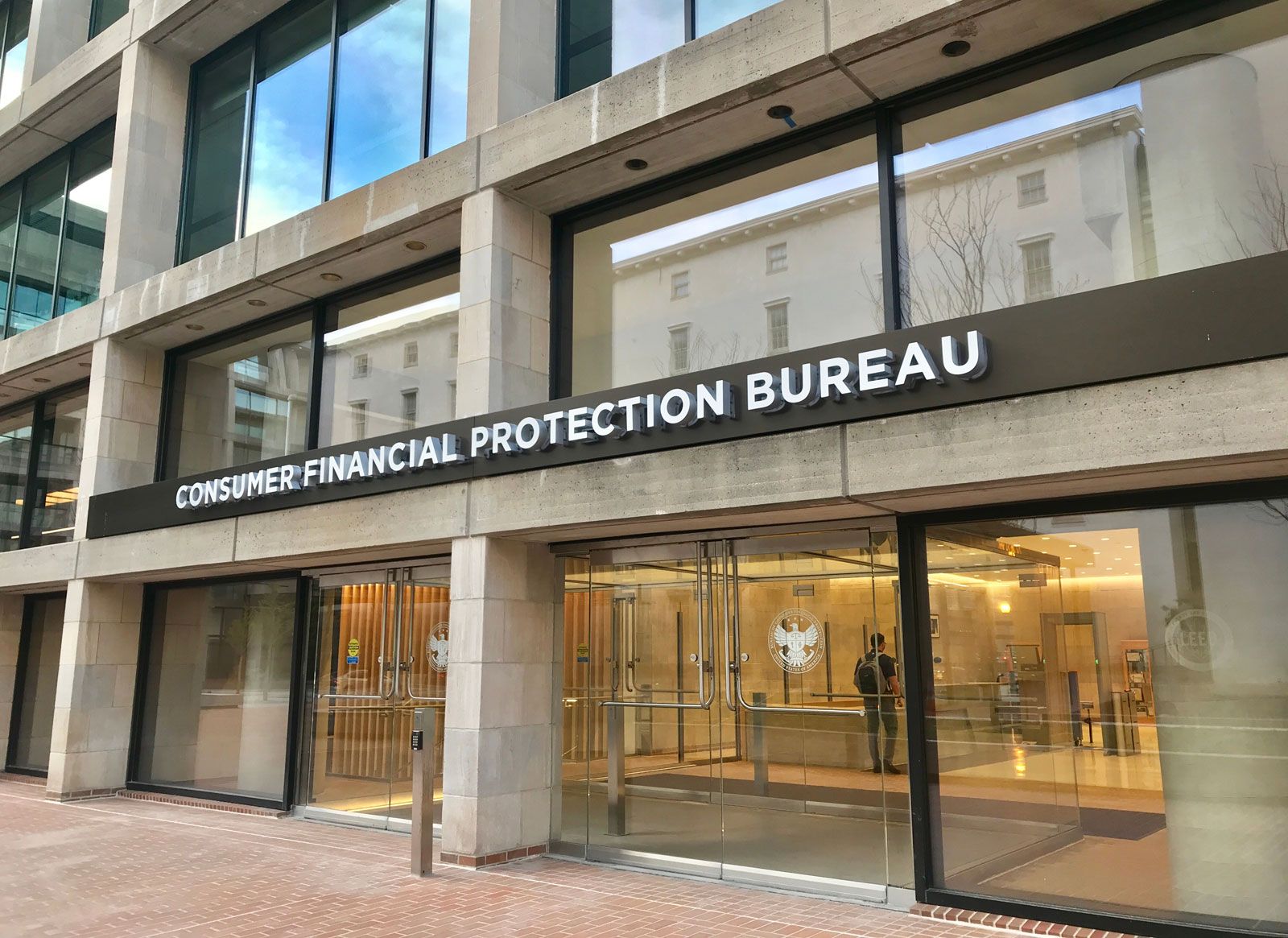
Ethics Storm: Stock Conflicts
Kliger’s financial disclosures ignited outrage, revealing up to $365,000 in stocks, including $100,000–$250,000 in Tesla and shares in Apple, both under CFPB scrutiny for financing practices. Ethics experts argue these holdings could profit from a weakened CFPB, potentially breaching federal conflict-of-interest laws. His delayed disclosure, only revealed under court pressure, fueled accusations of hiding personal gain.
Legal and Ethical Violations?
The Office of Government Ethics mandates avoiding financial conflicts, and Kliger’s Tesla stock—linked to Musk’s empire—draws particular scrutiny. The Student Borrower Protection Center called it a “textbook conflict,” suggesting billionaires like Musk benefit from reduced oversight. Kliger’s failure to fully disclose until litigation erupted raises questions about transparency.
Chaos in Execution
Internal CFPB emails expose a frenzied, disorganized layoff process, with leaders unsure how many staff were needed to maintain operations. An anonymous employee, dubbed “Alex Doe,” claimed Kliger ignored a court-ordered “particularized assessment” for each role, pushing blanket cuts instead. The National Treasury Employees Union (NTEU) filed suit, alleging violations of federal labor protections and the CFPB’s statutory duties.
Judicial Roadblock
Judge Amy Berman Jackson halted the layoffs on April 18, 2025, citing “deep concerns” that Kliger and CFPB Acting Director Russell Vought defied her injunction against mass firings. She ordered Kliger to testify at an April 28 hearing, a rare judicial demand, but an appeals court’s 2-1 ruling on April 28 paused proceedings, citing potential legal violations. Judges Cornelia Pillard and Gregory Katsas emphasized the CFPB’s failure to justify cuts, prolonging the standoff.
Constitutional Stakes: Power and Protection
The CFPB upheaval tests the republic’s constitutional framework, pitting executive zeal against judicial and congressional checks. Kliger’s actions, backed by DOGE’s agenda, raise alarms about accountability. Consumer protections, vital to public welfare, hang in the balance.
Executive Overreach
Article II grants presidents authority to manage agencies, but Youngstown Sheet & Tube Co. v. Sawyer (1952) curbs actions lacking statutory support. DOGE’s sweeping cuts, led by Kliger, risk overstepping, as the CFPB’s independence under the Dodd-Frank Act demands congressional oversight. Article I’s appropriations power could limit DOGE if courts deem its actions unlawful.
Judicial Check
Article III empowers courts to restrain executive excess, and Judge Jackson’s intervention underscores this role. Her call for Kliger’s testimony, echoed by the appeals court’s pause, aligns with Marbury v. Madison (1803), affirming judicial review. The judiciary’s scrutiny ensures the CFPB’s consumer mission isn’t gutted without due process.
Public Welfare and Fairness
Article I’s general welfare clause supports agencies like the CFPB, which has returned $3 billion to consumers since 2010. Fifth Amendment due process concerns arise if layoffs cripple this mission, disproportionately harming low-income Americans. Hamdi v. Rumsfeld (2004) requires fair processes for significant deprivations, a standard Kliger’s rushed cuts may violate.

Achievements of the Layoff Push
For Trump’s base, Kliger’s actions align with a promise to shrink bloated bureaucracies, with 62% of Republicans supporting DOGE’s efficiency drive, per recent polls. The layoffs aimed to streamline the CFPB, which critics like Musk call a regulatory overreach, potentially freeing businesses from compliance costs. Supporters see this as a win for taxpayers, reducing federal spending on an agency they view as redundant.
Critical Concerns: Who Loses?
The layoffs threaten millions of Americans relying on the CFPB to combat scams, predatory loans, and fraud, particularly low-income and minority communities. Critics, including 100 former CFPB staff, warn that gutting the agency could cost consumers billions, with its enforcement already weakened by 90% staff cuts. Kliger’s stock holdings, especially in Tesla, raise fears of billionaires profiting from reduced oversight, with 56% of independents opposing DOGE’s tactics, per recent polls.
Ethical Alarm Bells
Kliger’s alleged bullying—demanding 36-hour shifts and berating staff—paints a toxic work environment, with NTEU claiming violations of federal labor laws. His failure to disclose stocks until court scrutiny suggests a deliberate ethics dodge, potentially breaching 18 U.S.C. § 208. These issues alarm those who see DOGE’s cuts as prioritizing corporate interests over public welfare.
Consumer Risks
The CFPB’s decimation could unleash unchecked financial misconduct, from predatory payday loans to credit card scams. Small businesses, protected by CFPB oversight, face uncertainty, with 65% of Americans noting economic strain from Trump’s policies. The agency’s $3 billion in penalties since 2010 highlights its role, now at risk of collapse.
Impacts: Economic and Social
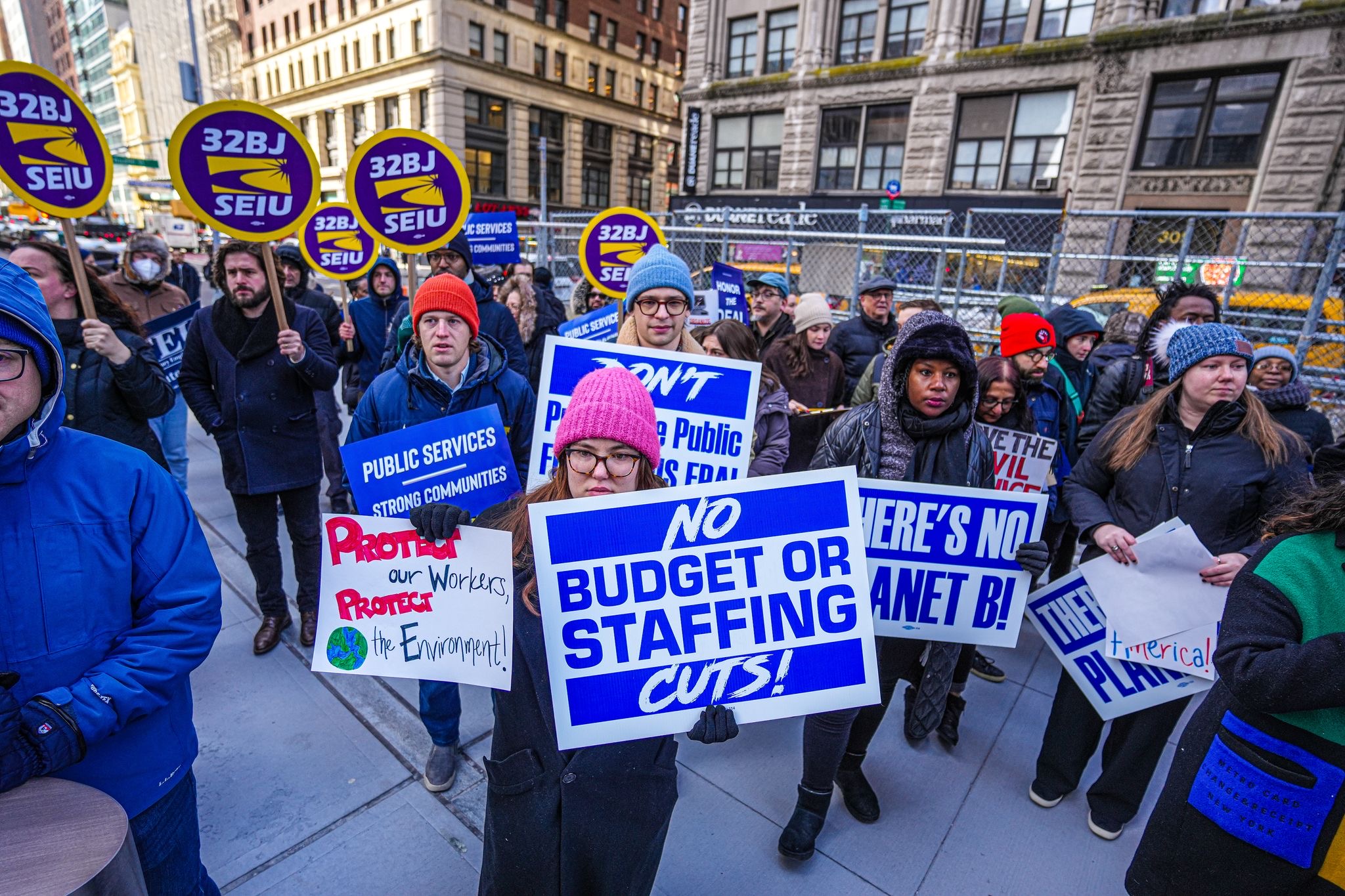
The layoffs could destabilize markets, as weakened CFPB oversight emboldens financial fraud, costing consumers billions. Socially, protests outside CFPB headquarters signal growing distrust, with unions rallying against DOGE’s “reckless” cuts. Economic uncertainty may ripple to small businesses and borrowers, kindizing Article I’s public welfare goals.
Diplomacy and Security
The CFPB’s domestic focus limits direct security impacts, but market instability could affect global trade confidence, straining Article VI treaty commitments. Trump’s broader DOGE agenda, clashing with faith-based policies, sends mixed signals to allies. Financial insecurity may fuel social unrest, complicating domestic stability.
Everyday Americans
The average American, from retirees to young borrowers, faces heightened scam risks without a robust CFPB. Low-income communities, hit hardest by fraud, lose a critical ally. The controversy erodes trust in governance, with 58% disapproving of DOGE’s approach, per recent polls.
Critical Questions and Constitutional Insights
- Did Kliger’s Stocks Drive the Layoffs?
- Could his financial holdings have influenced CFPB cuts, violating ethics laws?
- Fifth Amendment due process demands impartiality, and federal ethics laws prohibit conflicts. Kliger’s Tesla and Apple stocks raise suspicions, but courts must find direct evidence of profiteering to uphold fairness.
- Was DOGE’s Role Within Bounds?
- Did DOGE’s aggressive cuts exceed executive authority?
- Article II permits agency management, but Youngstown limits overreach. DOGE’s actions, if bypassing Dodd-Frank protections, could violate Article I’s oversight, requiring judicial or congressional correction.
- Can the CFPB Still Protect Americans?
- Will layoffs cripple the agency’s consumer mission?
- Article I’s welfare clause supports consumer safeguards, and Fifth Amendment fairness protects public rights. Courts must ensure the CFPB’s statutory duties endure, preserving its role without undermining efficiency.
- Should Congress Act Now?
- Does Article I demand oversight of DOGE’s cuts?
- Article I’s appropriations power, per Zivotofsky, checks executive excess. Congressional probes could restore CFPB funding, balancing efficiency with public welfare.
- What’s the Ethical Fallout?
- Do Kliger’s actions signal DOGE’s governance flaws?
- Fifth Amendment transparency is vital, and ethics violations erode trust. Systemic misconduct could spur reforms, aligning administration with constitutional accountability.
Voices of the Divide
Trump supporters praise Kliger’s cuts as slashing waste, with 62% of Republicans backing DOGE’s mission. Democrats and unions slam the layoffs as illegal, demanding accountability, with 100 ex-CFPB staff urging probes. Independents, with 56% concerned, worry about consumer risks and ethical lapses.
Looking Ahead: A Legal Showdown
Litigation, set for May 2025, will determine the layoffs’ fate, with Judge Jackson’s scrutiny ongoing. Senators Elizabeth Warren and Andy Kim push congressional probes, and a Government Accountability Office investigation looms. The 2026 midterms, with 58% disapproval of DOGE, could shift power.
Long-Term Stakes
A gutted CFPB risks billions in consumer losses, while Kliger’s ethics probe may limit DOGE’s reach. Courts could redefine executive power, per Youngstown, if cuts are unlawful. The republic’s trust hinges on balancing efficiency with consumer safeguards.
Historical Echoes: Reform and Restraint
Nixon’s 1970s impoundment battles, curbed by Train v. City of New York (1975), echo DOGE’s overreach, with courts checking excess. The CFPB’s 2010 creation, upheld in Seila Law LLC v. CFPB (2020), faced similar attacks, now intensified. Federalist No. 51’s checks guide this clash, demanding accountability. History favors restrained reform over chaos.
A Republic’s Consumer Crossroads
Gavin Kliger’s CFPB layoff blitz, halted by courts, exposes a clash between efficiency and ethics. Articles I, II, and III collide as executive ambition meets oversight, with Fifth Amendment fairness at stake. Critical questions probe the nation’s consumer protections. The republic’s path depends on restoring trust through constitutional balance, ensuring no American faces financial predators alone.