
Can a law written during the presidency of John Adams still determine who stays in the United States today?
That’s the constitutional dilemma at the center of a new Supreme Court order blocking the Trump administration from deporting Venezuelan migrants under the Alien Enemies Act of 1798. In a 5–4 decision, the justices halted removals that had already begun in Texas, marking a sharp judicial check on executive power and triggering renewed debate over how far presidential authority over immigration can reach—especially during times of perceived national threat.
The Court’s ruling doesn’t end the legal battle, but it freezes the removals while lower courts continue to weigh their constitutionality. Dissenting justices Clarence Thomas and Samuel Alito sharply criticized the majority, arguing that the president’s authority under the Alien Enemies Act was being improperly restrained.
What is the Alien Enemies Act?
Originally passed in 1798, the Alien Enemies Act was part of a set of laws known as the Alien and Sedition Acts. The law allows the president to detain or remove nationals of a foreign country with which the United States is “at war,” even in the absence of formal declarations of war. It has been used sparingly in modern times, most infamously during World War II to justify the internment of Japanese nationals and Japanese Americans.
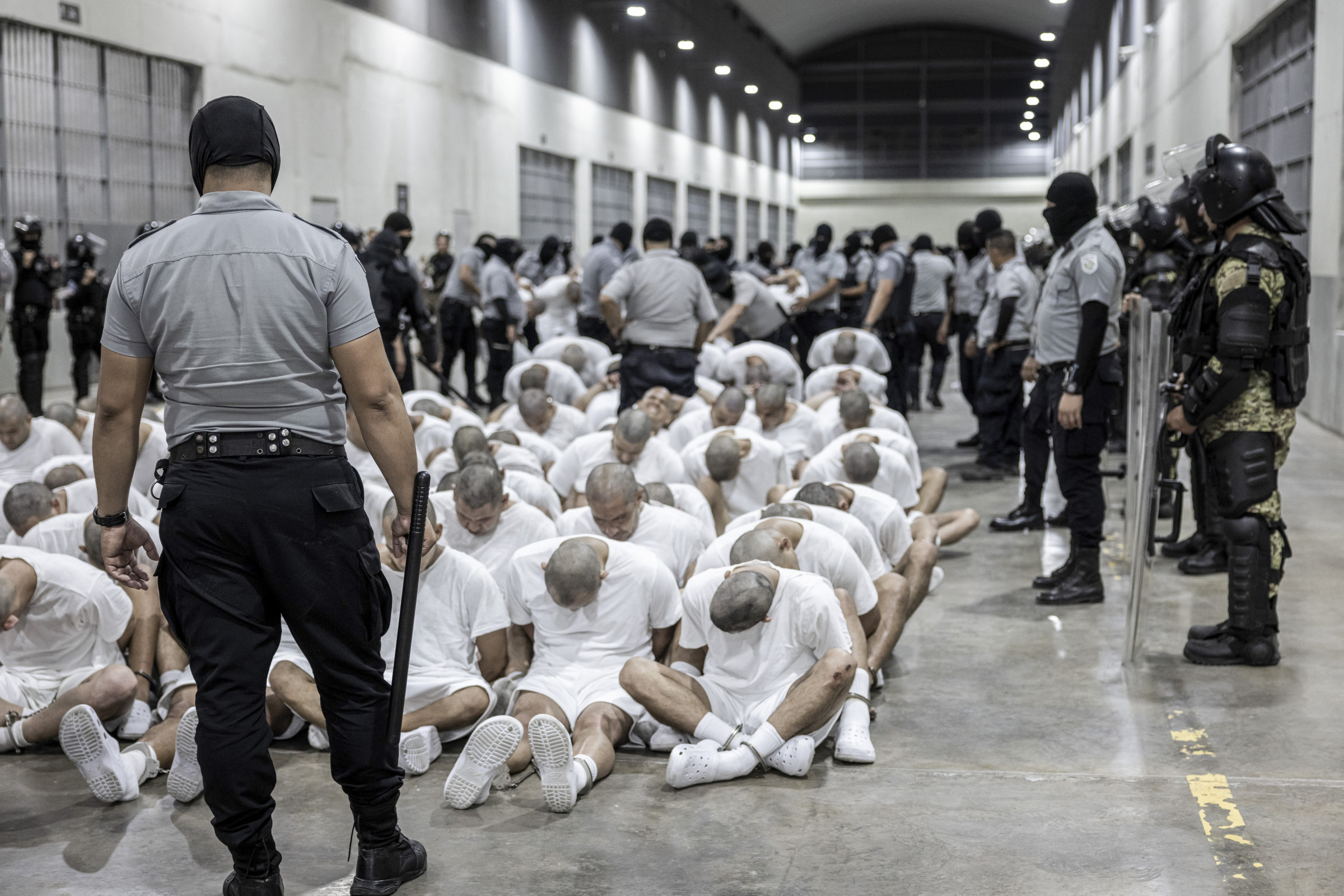
In this case, the Trump administration invoked the law to justify mass deportations of Venezuelan migrants, citing the Venezuelan government’s ties to transnational criminal activity and hostile actions against U.S. interests. More than 200 migrants were reportedly detained for removal under this policy before the Court intervened.

The constitutional question: Can the president bypass modern immigration protections?
This case tests the boundaries of executive authority under Article II of the Constitution, which gives the president power over foreign affairs and national security—but within limits. Over time, the Due Process Clause of the Fifth Amendment, along with various immigration statutes, has been interpreted to require that even non-citizens are entitled to legal review before deportation.
Critics argue that using a centuries-old wartime law to justify deporting asylum seekers—without individualized hearings or evidence of wrongdoing—violates these modern constitutional standards. The Trump administration counters that the Alien Enemies Act gives the president broad, discretionary power in situations involving hostile foreign governments, and that national security concerns outweigh procedural formalities.