
The U.S. Constitution
Archival records, profiles, and educational resources since 1995.

Constitutional Rights in U.S. Territories
Most civics explanations start with a simple premise: the Constitution is the rulebook, and Americans get a standard set of rights plus a vote for the people who run the federal government. That premise breaks the moment you step off the map of the fifty states. About 3.5 million people (roughly...
Read more →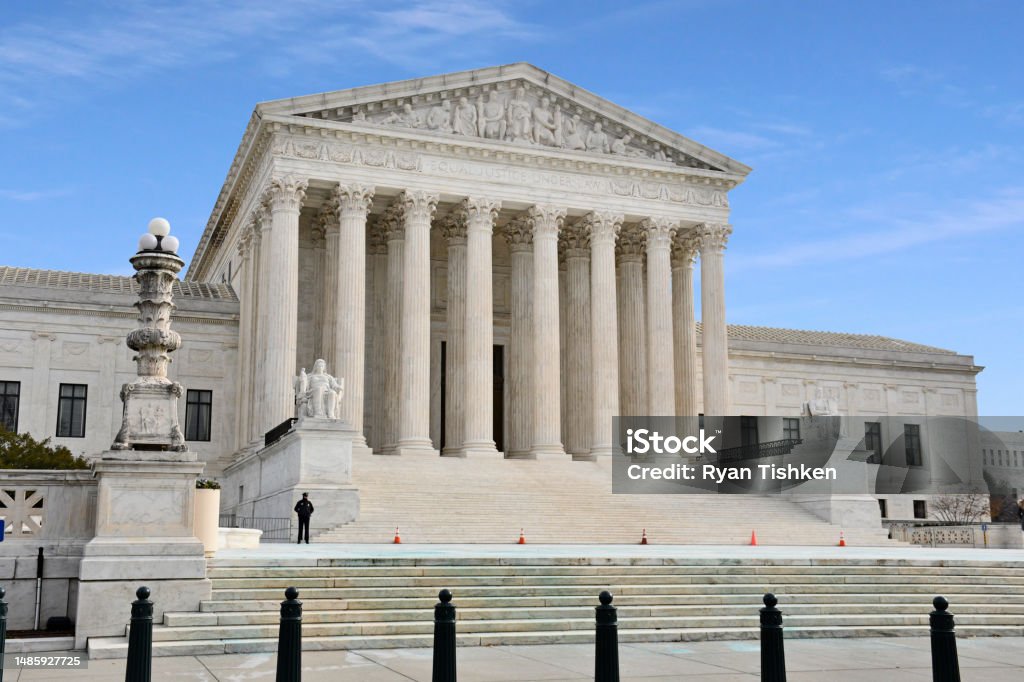
How Federal Criminal Appeals Work
Most people hear the word “appeal” and imagine a do-over. A second trial. New witnesses. A fresh jury. Federal criminal appeals are usually the opposite. They are paper-heavy, rule-bound reviews that happen after a conviction and sentence, and they focus on whether the trial court applied the...
Read more →
How Senate Confirmations Work
The Constitution gives the President the power to nominate officers and judges, and it gives the Senate the power to decide whether those nominees actually take office for positions that require advice and consent . That second half is easy to summarize and hard to understand in practice. “Advice...
Read more →
Congressional Apportionment and the House
Most election coverage treats the House of Representatives like a fixed stage: 435 seats, districts everywhere, and a familiar map every two years. But the map comes after something even more basic happens. First, the Constitution demands a count. Then federal law translates that count into a...
Read more →
Civil Statutes of Limitations
You can have the strongest case in the world and still lose it for a reason that has nothing to do with the facts. In civil law, that reason is often time. A civil statute of limitations is a legal deadline for filing a lawsuit. Miss it, and the court will often dismiss your claim even if you are...
Read more →
Civil Discovery in Federal Court
Civil lawsuits are not usually decided by dramatic cross-examinations in open court. They are decided months earlier, in conference rooms, inboxes, and sworn transcripts. That phase is called discovery , and in federal court it is governed by the Federal Rules of Civil Procedure, with Rule 26...
Read more →
Subpoenas Explained
You can ignore a spam email. You can ignore a stranger knocking. You should not treat a subpoena like something you can just set aside. A subpoena is one of the legal system’s simplest tools and one of its sharpest. It is a formal command to show up , testify , or turn over evidence . It is not a...
Read more →
Search Warrants and Probable Cause
You have a Fourth Amendment right to be secure against “unreasonable searches and seizures.” Everyone knows that. But the part most people miss is the mechanism that makes that promise operational: the warrant requirement. Not because warrants are magic, and not because police always need one,...
Read more →
The Presidential Oath of Office Explained
The most famous sentence a president ever says in public is not in a State of the Union or a campaign speech. It is a constitutional trigger. Before a president may exercise the powers of the office, the Constitution requires a specific oath, with specific words, and a specific promise. It is short...
Read more →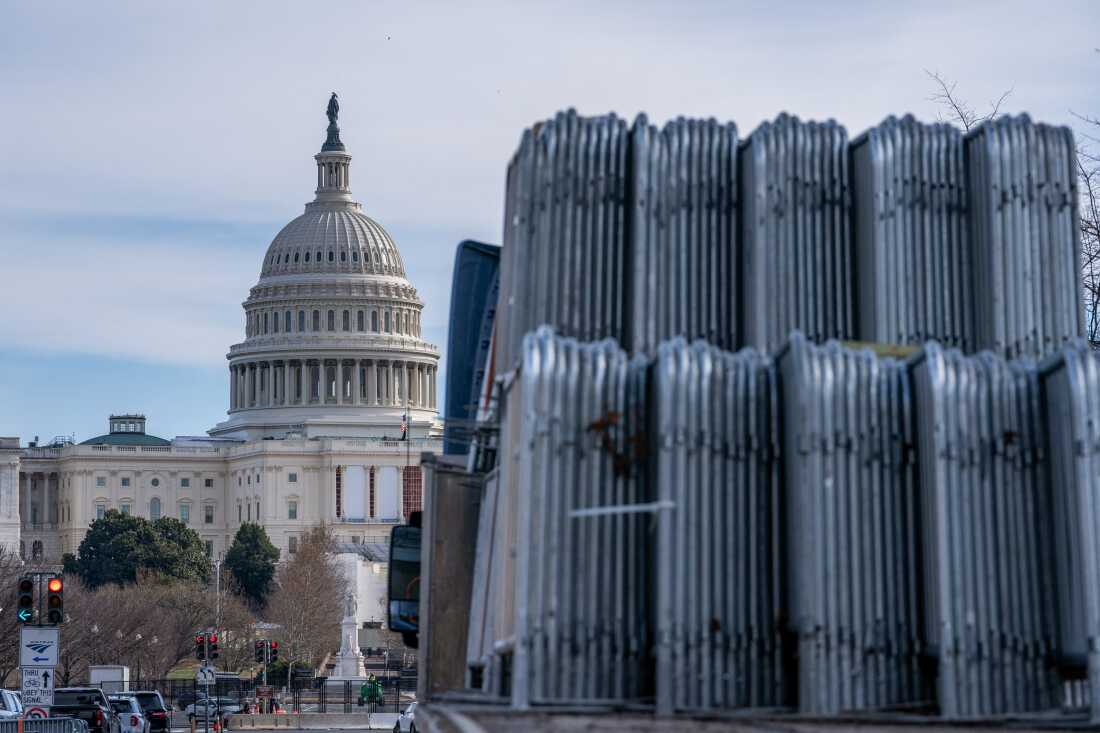
Electoral College Deadlock and the Contingent Election
You can spend an entire election cycle hearing that “the Electoral College picks the president,” only to discover that the Constitution quietly wrote a backup plan for when the Electoral College cannot do its job. That backup plan is the contingent election . It is rare, procedural, and deeply...
Read more →
Is the AR-15 Constitutionally Protected?
The Second Amendment debate has a bad habit of turning into a shouting match about modern politics instead of a serious argument about constitutional limits. This week, Assistant Attorney General for Civil Rights Harmeet Dhillon tried to drag it back to first principles, at least in the legal...
Read more →
The National Popular Vote End Run
For most Americans, the Electoral College is like a fuse box in the basement. You do not think about it until the lights flicker. But in the last few elections, the flicker has become a strobe, and now a growing bloc of states is trying to rewire the system without touching the Constitution at all....
Read more →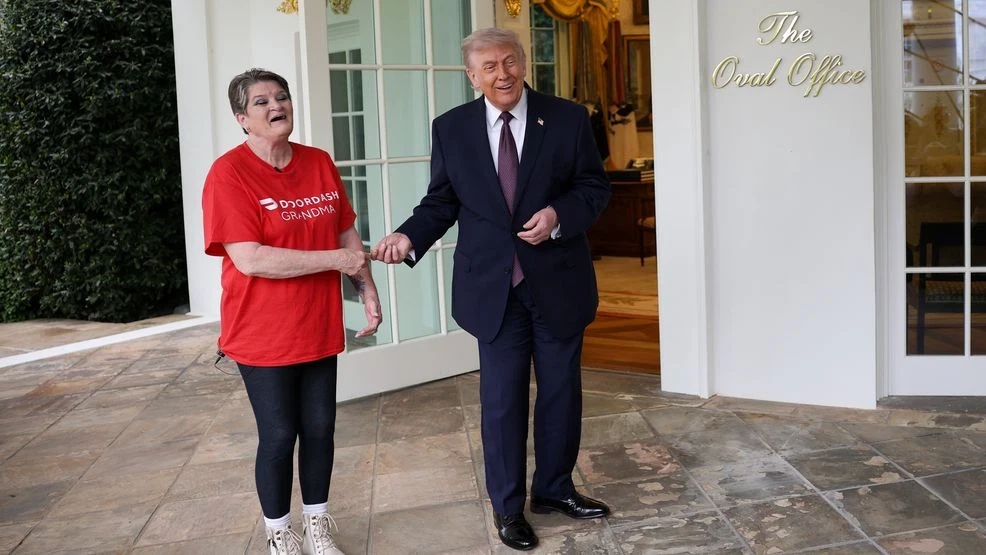
Trump’s Truth Social Blitz and the Politics of Sacred Imagery
President Trump used Truth Social the way some presidents used the Oval Office microphone: to define enemies, project command, and compress complicated disputes into sharable certainty. This week’s flare-ups moved on two tracks at once, a public dispute with Pope Leo XIV and a backlash over an...
Read more →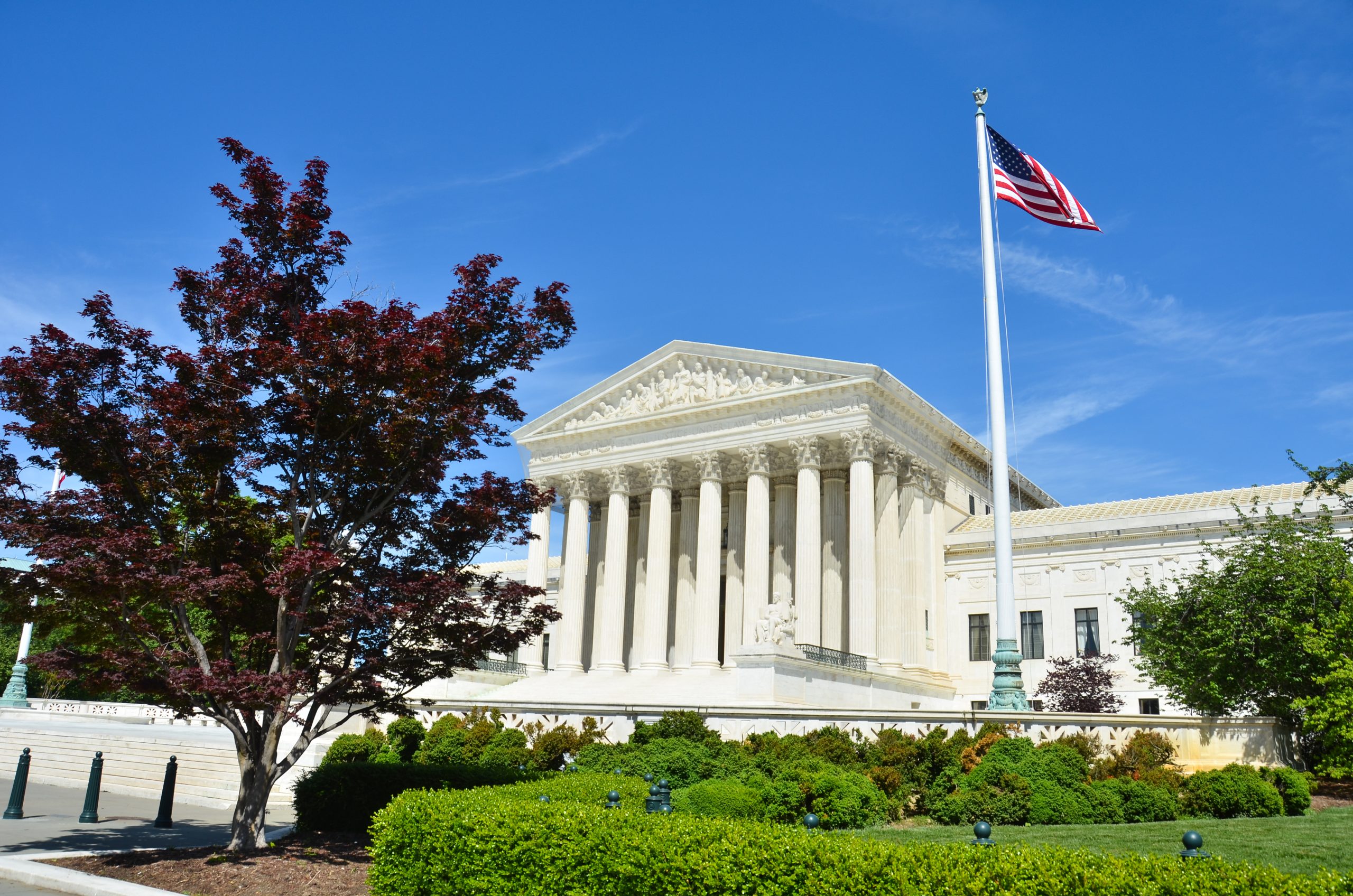
The EPA Case That Could Revive Nondelegation
Congress passes a law. An agency fills in the operational details. The public feels the impact. And somehow, no one can quite identify the moment when elected lawmakers made the big choice. That, in plain English, is the constitutional itch behind a new push to get the Supreme Court to take a case...
Read more →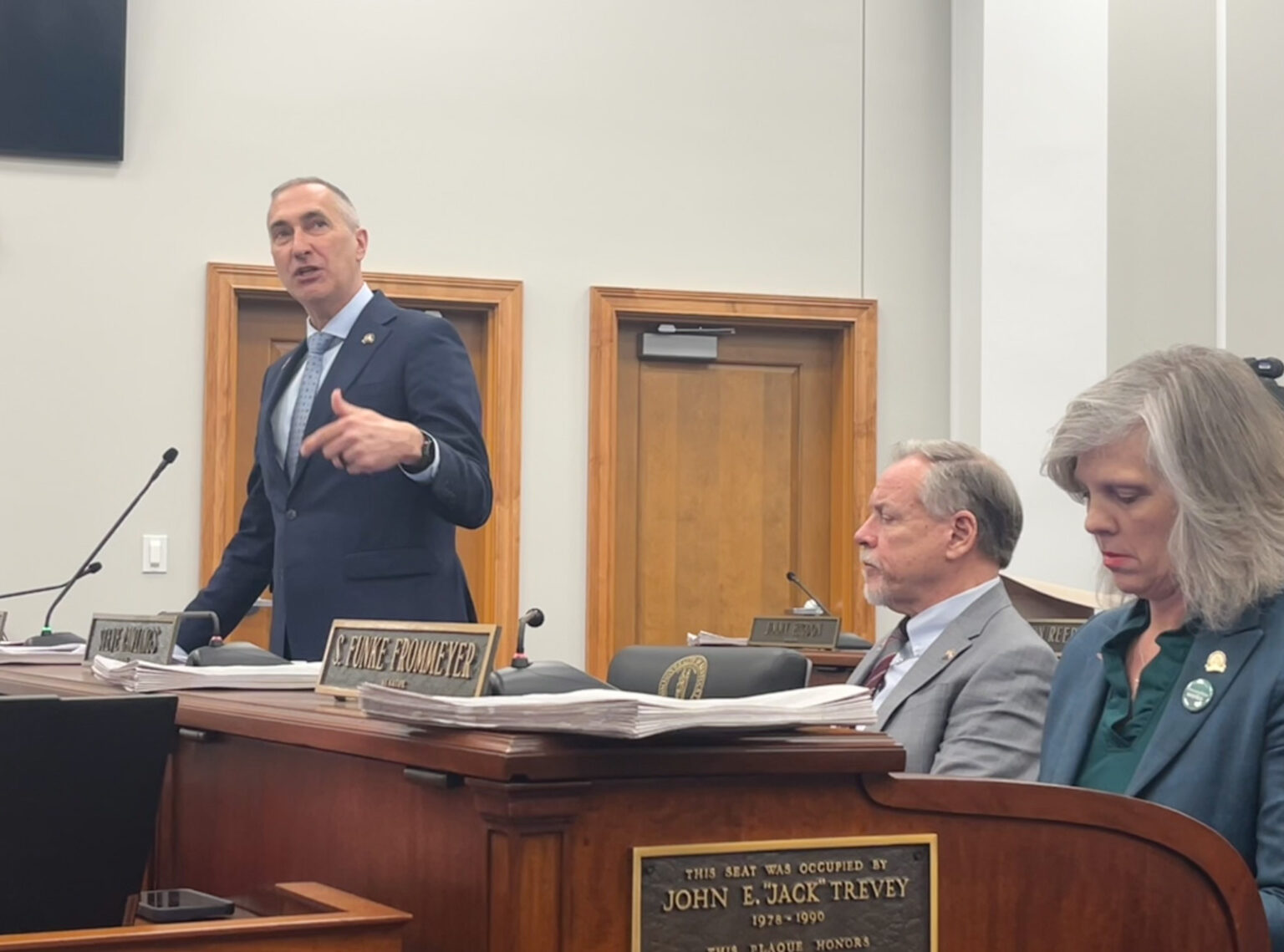
Kentucky’s Gun-Maker Shield and the Price of Lawsuits
Kentucky is in the middle of a familiar American argument: who gets to set the rules when a national controversy lands on a statehouse desk? This time the spark is HB 78 , a bill the legislature passed and Gov. Andy Beshear vetoed on April 6, 2026 . The National Association for Gun Rights is urging...
Read more →
When a Judge Bans You From Saying Someone’s Name
It is hard to think of a more sweeping speech restriction than this: a court order telling a person to stop “publicly writing, printing, or speaking” another person’s name. That is not a metaphor. It is the kind of command that reaches into ordinary civic life, where we argue about...
Read more →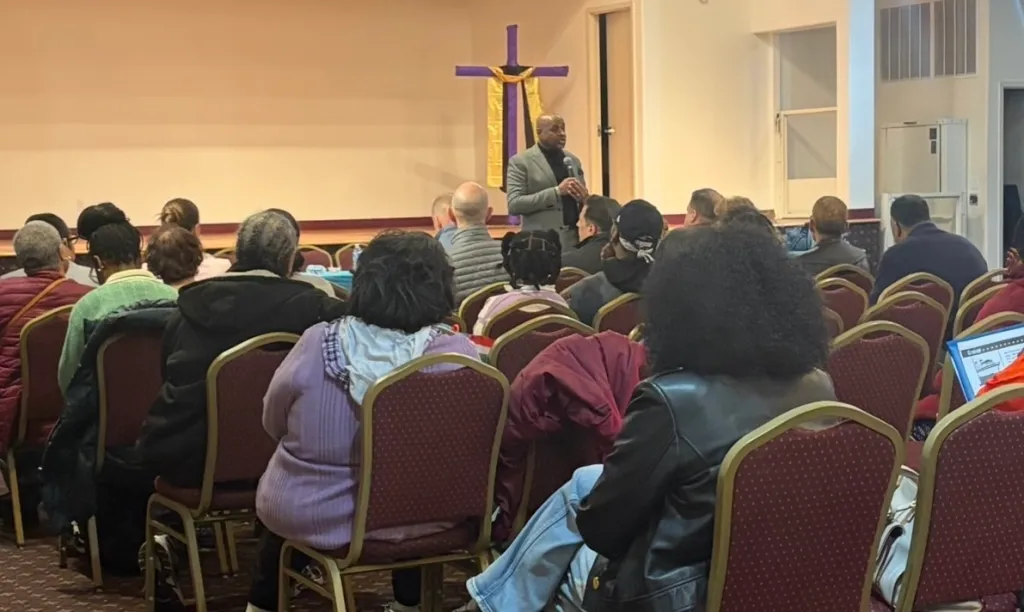
SLAPP Suits and Anti-SLAPP Laws Explained
You can sue someone for defamation. You can sue over a broken contract. In practice, you can file a lot of lawsuits if you can pay a filing fee and draft a complaint. But that does not mean you can file anything without consequence. Pleading standards apply. Some claims require pre-suit steps like...
Read more →
The Privacy Act of 1974 Explained
You can spend your whole life hearing that you have a “right to privacy,” and still be surprised by what the federal government can record about you, keep about you, and share about you. The Privacy Act of 1974 is one of the main federal statutes that keeps the government from treating your...
Read more →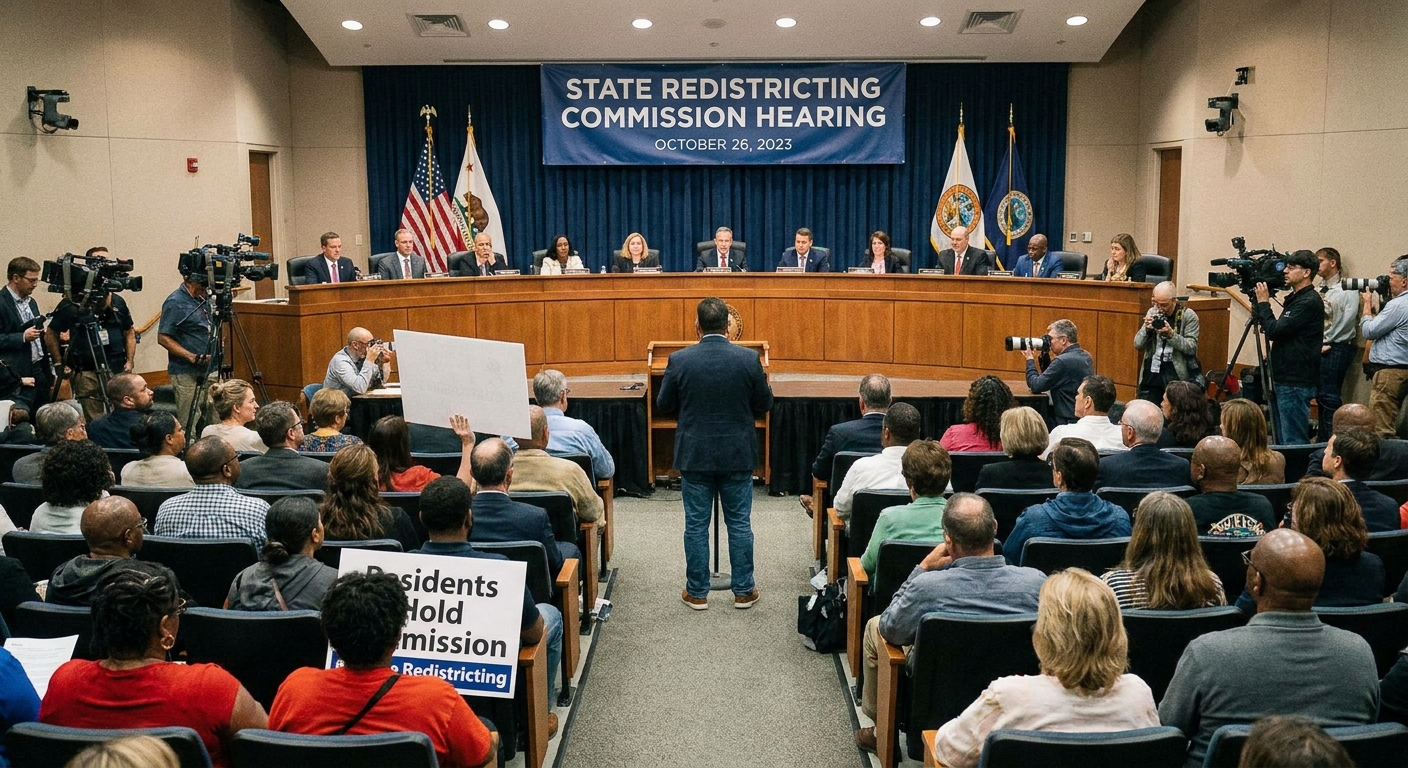
How Independent Redistricting Commissions Work
Redistricting is one of the few government actions that can change your political reality without changing a single voter’s mind. One set of lines can turn a competitive state into a safe one, protect incumbents for a decade, and quietly decide which communities get listened to and which ones get...
Read more →
AUMF Explained
America has a constitutional switch for war. It is supposed to click in Congress. That is the design. But it has never been a perfect on off system. Presidents have long argued that the Commander in Chief role includes some ability to use force quickly, especially to repel attacks, protect U.S....
Read more →