
For over a century, the midterm election has followed a predictable, almost ironclad, rule: the party holding the White House suffers a major, often brutal, defeat in Congress.
But as the 2026 election looms, a series of unprecedented factors has shattered that historical certainty.
A unique presidency, a nationwide war over the congressional maps themselves, and a deeply polarized electorate have combined to make the next election the most unpredictable in modern American history. All the old models are broken.
At a Glance: The 2026 Midterm Puzzle
- The Big Question: It is nearly impossible to predict the outcome of the 2026 midterm elections.
- The Historical Norm: The president’s party almost always loses a significant number of House seats in a midterm election.
- The X-Factors:
- President Trump’s unique status as a non-consecutive second-term president.
- A nationwide redistricting war means we don’t even know what the congressional districts will look like.
- The razor-thin Republican House majority.
- The Constitutional Issue: The entire election is a test of the constitutional structure of Congress, the Elections Clause, and the unwritten rule of midterms as a referendum on the President.
A Referendum on the President
The midterm election is fundamentally a referendum on the sitting president’s first two years in office. It is one of the most powerful, though unwritten, rules of our political system.
We saw this in 1994 with Bill Clinton, in 2010 with Barack Obama, and in 2018 with Donald Trump himself, when his party lost 41 seats in the House.
But 2026 is different. President Trump is only the second president in history, after Grover Cleveland, to return to the White House for a non-consecutive second term.
“This is a de facto ‘first midterm’ for a second-term president. There is only one historical precedent – Grover Cleveland in 1894 – offering almost no reliable guide for what comes next.”
This makes the historical models that analysts rely on almost completely useless.
The Shifting Battlefield: A Redistricting War
The most significant variable creating uncertainty is that we don’t even know what the playing field will look like.
The Elections Clause of the Constitution gives state legislatures the primary power to draw congressional districts. That power is now being wielded as a political weapon in an escalating, nationwide “arms race.”
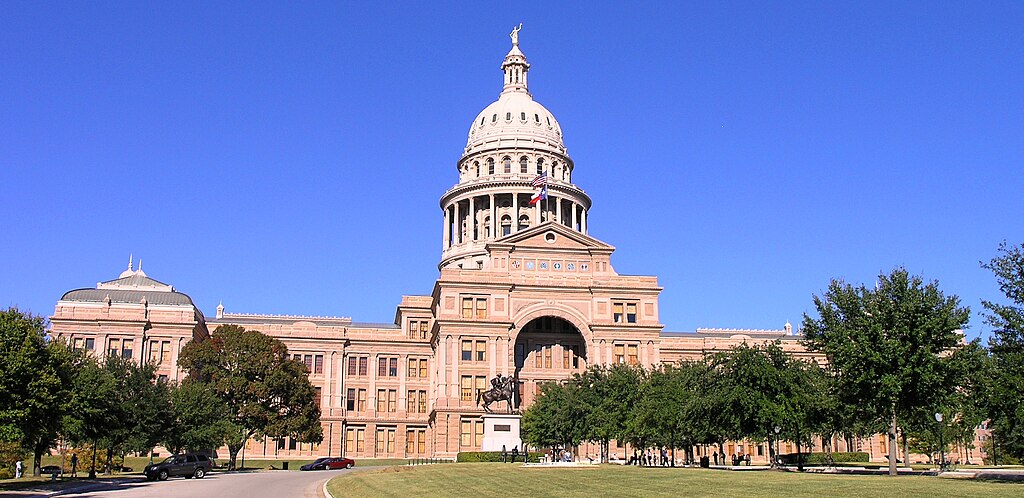
Texas Republicans have passed a new map to create more GOP seats. In direct retaliation, California Democrats are advancing their own gerrymander. Now, other states like Ohio, New York, and Missouri are considering their own mid-decade redraws.
The result is that dozens of congressional districts could be fundamentally reshaped before 2026, making it impossible to know which seats will truly be competitive.
The Trump Turnout Question
Another great unknown is President Trump’s own impact on the election.
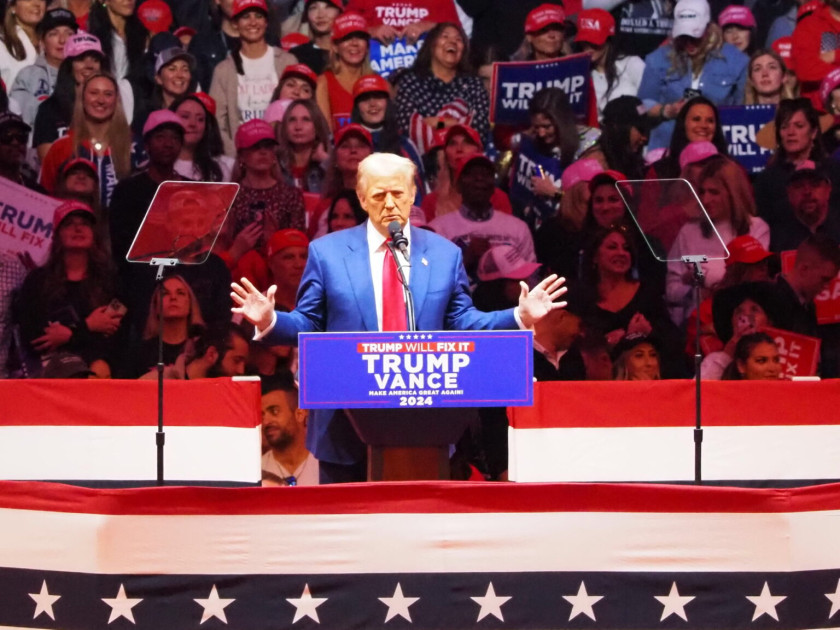
The Republican party has historically seen a drop-off in turnout in elections where he is not at the top of the ballot. This was a factor in the 2018 and 2022 midterms.
Will the same happen in 2026? Or has the MAGA movement become so institutionalized that it can deliver high turnout even without the President’s name on the ballot? The answer to that question could be the difference between the GOP keeping the House or losing it.
The Policy Wild Card
Finally, the election will serve as a national verdict on the signature legislative achievement of the President’s second term: the “One Big Beautiful Bill Act.”
Republicans will campaign on the law’s tax cuts and populist measures like the elimination of the tax on tips. They will argue that they have delivered on their promises to put money back in the pockets of working Americans.
Democrats, on the other hand, will hammer the bill’s cuts to social programs like Medicaid and its massive addition to the national debt.
“The entire election may hinge on a simple question: Do more voters feel the relief from the tax cuts, or the pain from the spending cuts?”
A Test of the System Itself
The 2026 election is more than just a contest between two parties. It is a test of a political and constitutional system under immense stress.
The combination of a historically unique presidency and a chaotic, state-by-state redrawing of the political map has rendered all old predictions obsolete.
The outcome is unknowable, but one thing is certain: it will provide a powerful and potentially shocking verdict on the state of the nation and the future direction of the republic.