
In a stunning and unprecedented move, the United States government is now one of the largest shareholders in Intel, a foundational giant of Silicon Valley.
This is not a traditional bailout of a failing company. It is a deliberate and radical philosophical choice by the Trump administration to transform a government grant program – created to boost the domestic computer chip industry – into a massive venture capital investment on behalf of the American taxpayer.
The deal, announced by the President on Friday, is being hailed by the White House as a brilliant move to protect taxpayer money. But critics warn it dangerously blurs the line between government and private industry, setting a new and troubling precedent for the American economy.
At a Glance: The U.S. Government Buys into Intel
- What’s Happening: The U.S. government has acquired a 10% stake in Intel, a major American computer chip manufacturer.
- How: By converting $11.1 billion in federal funds, mostly from the CHIPS and Science Act, into non-voting stock in the company.
- The Rationale: The Trump administration argues that instead of giving grants, the government should get an ownership stake and profit from its investment.
- The Controversy: Critics warn this is a “troubling cross-pollination” between government and private industry that could distort the market and invite political meddling.
- The Constitutional Issue: A major test of the proper role of the federal government in a free-market economy and a novel execution of powers granted by Congress under the Commerce Clause.
From ‘Giveaway’ to ‘Ownership’
The deal was born from the CHIPS and Science Act, a law passed during the Biden administration to provide billions in subsidies to encourage chip manufacturers to build factories in the United States.
The Trump administration, which has often criticized the program as a “needless giveaway,” has now fundamentally altered its execution. Instead of simply granting Intel the money, the government has converted $11.1 billion in pledged funds into a 10% ownership stake.
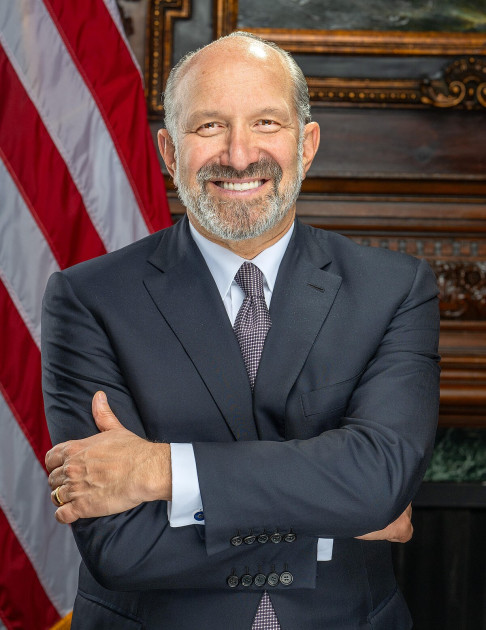
“We think America should get the benefit of the bargain. It’s obvious that it’s the right move to make.” – U.S. Commerce Secretary Howard Lutnick
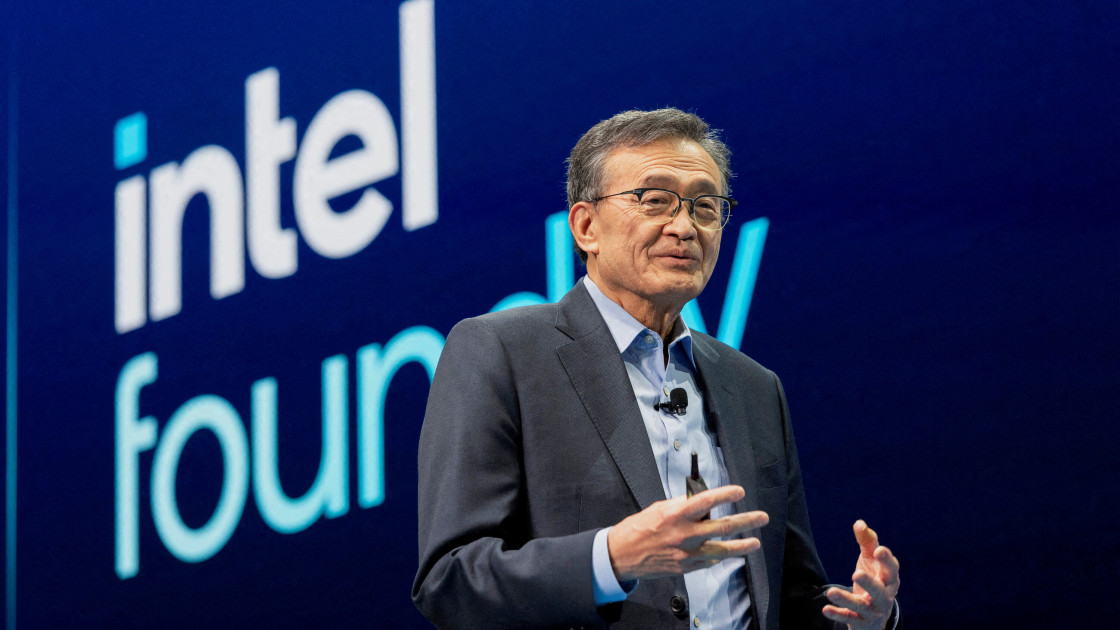
The move came just weeks after President Trump had publicly blasted Intel’s new CEO, Lip-Bu Tan, over past business ties to China. Following a White House meeting, the President is now hailing Tan as a “highly respected” leader.
The Ghost of Bailouts Past
While the deal is novel, it’s not entirely without precedent. The most famous recent example of government ownership was the 2008 bailout of General Motors.
During the Great Recession, the government injected nearly $50 billion into GM in exchange for a 60% stake to save the automaker from bankruptcy. That intervention, however, was a reactive crisis measure.
“Unlike the GM bailout, which was a rescue of a company on the brink of collapse, the Intel deal is a strategic choice to become an owner in an industry deemed vital for the future.”
The GM bailout also serves as a cautionary tale for taxpayers. After years of holding the stock, the government ultimately sold its shares at a loss of roughly $10 billion.
A Constitutional Blurring of the Lines
This deal pushes America into a fierce debate over its economic identity and the proper role of government, a question with deep constitutional roots.
Congress’s authority to pass the CHIPS Act in the first place stems from its power under the Commerce Clause to regulate and promote industries vital to the national economy.
The administration’s decision to become an owner rather than just a benefactor is a novel interpretation of its duty to execute that law. It shifts the government’s role from that of a regulator to that of an investor.
“This deal pushes America into a fierce debate over its economic identity, testing the long-held principle of a firm wall between the public and private sectors.”
Critics, like the Cato Institute, argue this is a “horrendous move.” They fear it will create a system of “crony capitalism,” where other tech companies may now feel pressured to buy potentially inferior Intel chips simply to “curry favor” with the government, their new competitor.
Uncle Sam’s New Portfolio
The acquisition of a stake in Intel is more than just a financial transaction. It represents a radical shift in how the U.S. government interacts with the private sector.
The administration is betting that this new model of “patriotic capitalism” will strengthen national security and deliver a profit for taxpayers.
Critics fear it will lead to political meddling, market distortion, and a dangerous entanglement of government power and corporate enterprise. The success or failure of this high-stakes gamble will have profound implications for the future of American technology and the very nature of our free-market economy.