
At dawn on Friday, FBI agents descended on the Maryland home of a man who once held some of the nation’s most sensitive secrets.
The raid on John Bolton, President Donald Trump’s former National Security Advisor, is a stunning development in a long and bitter feud between the two men. It transforms a public war of words into a criminal investigation, raising profound constitutional questions about the control of classified information, the power of the executive branch, and the Fourth Amendment’s protection against unreasonable searches.
At a Glance: The Raid on John Bolton
- What’s Happening: The FBI has raided the home and office of John Bolton, who served as President Trump’s National Security Advisor from 2018 to 2019.
- The Backstory: The raid is the latest escalation in a long, bitter public feud between Trump and Bolton, which began after Bolton’s acrimonious departure and the publication of his tell-all memoir, “The Room Where It Happened.”
- The Likely Legal Issue: The raid is almost certainly related to the handling of classified information, a charge the first Trump administration made when it tried to block Bolton’s book in 2020.
- The Constitutional Issue: A major test of the Fourth Amendment’s requirement for probable cause in a politically explosive case, and a story about the President’s immense Article II power over national security information.
A Feud Reignited by Force
The personal animosity between President Trump and his former top advisor is the stuff of Washington legend. Their relationship, which ended with Bolton’s acrimonious departure in 2019, has been defined by a stream of vitriolic public insults.
Bolton has described his former boss as “unfit for office” and “stunningly uninformed,” arguing that Trump’s decision-making was “so wrapped around his own personal political fortunes, that mistakes are being made that will have grave consequences.”
President Trump, in turn, has repeatedly attacked Bolton as a “wacko,” a “dope,” and a “disgruntled boring fool who only wanted to go to war.”
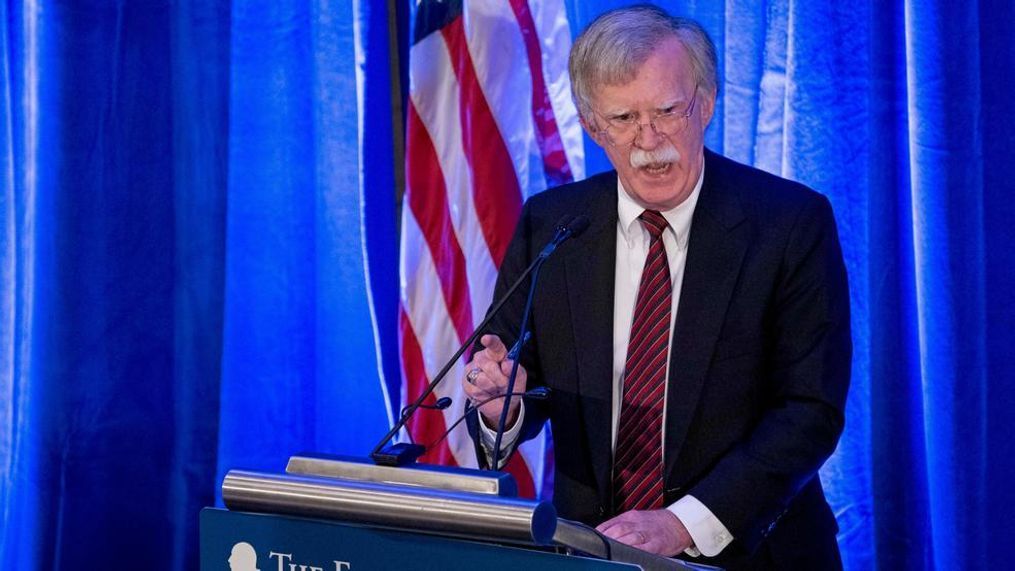
The FBI raid has now moved this conflict from the realm of political rhetoric into the high-stakes arena of criminal law.
The Constitutional Hurdle: The Fourth Amendment
For this raid to be legal, the FBI had to clear an exceptionally high constitutional bar.
The Fourth Amendment protects all Americans from “unreasonable searches and seizures.” It requires that the government, before entering a private home, must first obtain a warrant from a neutral federal magistrate judge.
To get that warrant, the Department of Justice had to present specific, credible evidence demonstrating probable cause to believe that a federal crime – likely related to the mishandling of classified information – had been committed, and that evidence of that crime would be found in Bolton’s home.
“For the FBI to raid the home of a former National Security Advisor, they had to convince a federal judge of a critical fact: that there was probable cause a crime had been committed. This is the Fourth Amendment’s great wall against arbitrary government intrusion.”
The Ghost of a Book
This investigation is likely the dramatic second act of a legal battle that began in 2020.
The first Trump administration sued to block the publication of Bolton’s memoir, “The Room Where It Happened,” arguing it was filled with classified information that had not been properly cleared for publication.
While a federal judge ultimately allowed the book to be released, the underlying criminal investigation into whether Bolton had mishandled secrets was never fully resolved. The raid on Friday suggests the Justice Department, under a second Trump administration, has aggressively revived that investigation.
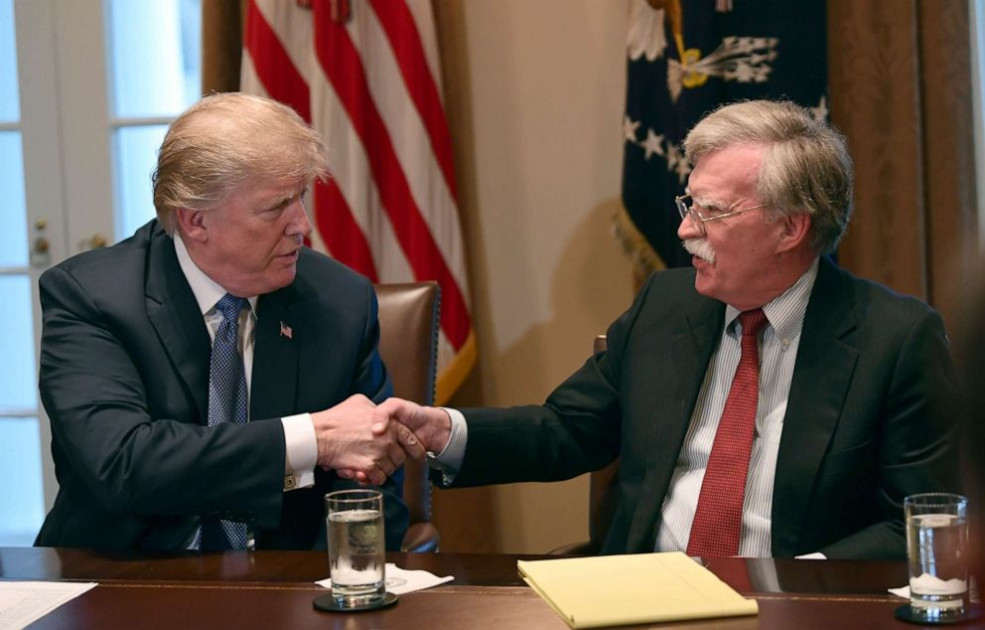
The Rule of Law on Trial
The administration’s allies are framing this as a straightforward application of the law. FBI Director Kash Patel posted a simple message on social media as news of the raid broke: “NO ONE is above the law.” The raid, in their view, is a demonstration that even the most senior former officials can be held accountable for endangering national security.
Critics, however, see the raid through the lens of the intensely personal and political feud between Trump and Bolton. They worry that the immense power of the Justice Department is being wielded not to pursue impartial justice, but to settle a political score against a prominent critic.
This case puts not just John Bolton, but the principle of the impartial administration of justice itself, on trial in the court of public opinion.