
A federal judge has declared that the person serving as New Jersey’s top federal prosecutor, Alina Habba, is holding her office unlawfully.
The ruling is the latest and most dramatic turn in a month-long constitutional power struggle between the President, the Senate, and the Judiciary over one of the most powerful law enforcement posts in the state.
This decision not only creates an immediate leadership crisis in a major prosecutor’s office but also calls into question the legality of every action Habba has taken for nearly two months.
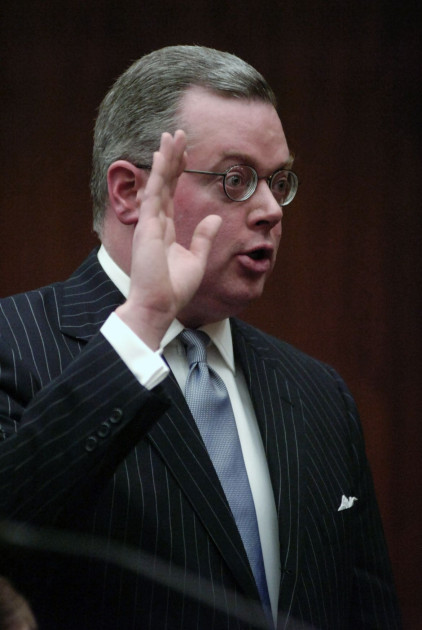
The New Jersey Standoff
- What’s Happening: A federal judge has ruled that Alina Habba is serving unlawfully as the U.S. Attorney for New Jersey.
- The Ruling: The judge found the Trump administration’s “workaround” to keep her in the job after her initial term expired violated federal vacancy laws.
- The Backstory: The ruling comes after New Jersey’s federal judges refused to extend her term, and the DOJ then fired their chosen replacement.
- The Constitutional Issue: A major test of the Appointments Clause of the Constitution, which requires Senate confirmation for top prosecutors, and the complex federal laws that govern temporary appointments.
‘She Is Not’: A Judge’s Decisive Ruling
In a meticulous 77-page order, U.S. District Judge Matthew Brann issued a clear and decisive finding.
“Faced with the question of whether Ms. Habba is lawfully performing the functions and duties of the office of the United States Attorney for the District of New Jersey, I conclude that she is not.” – Judge Matthew Brann
The legal challenge did not come from a political rival, but from two criminal defendants being prosecuted by Habba’s office. They argued their Fifth Amendment right to Due Process was being violated because the prosecutor bringing the case against them held her office illegally.
Judge Brann, who was brought in from Pennsylvania to avoid a conflict of interest, agreed with them. His ruling means that, at a minimum, Habba cannot continue to prosecute their cases.
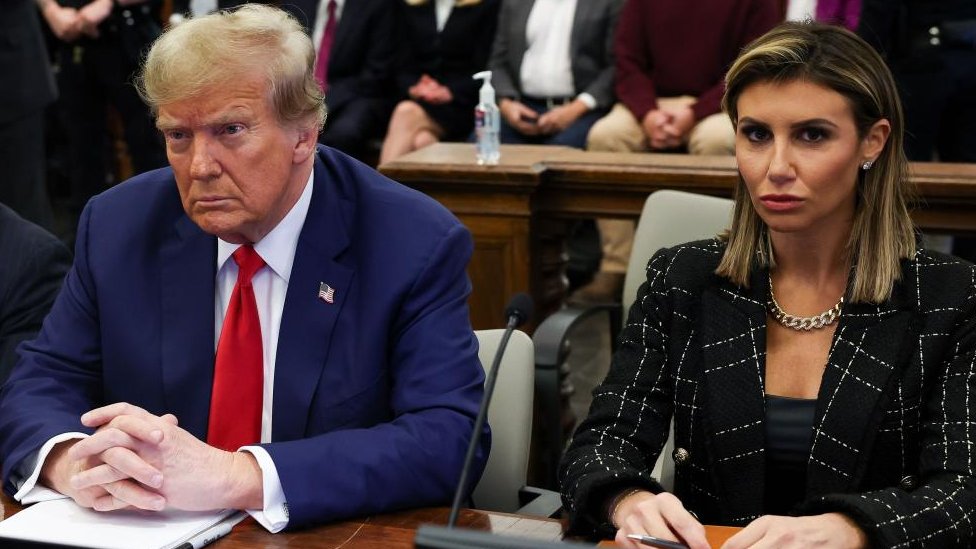
The Anatomy of a Workaround
The judge’s ruling is a direct rejection of a complex legal maneuver the Trump administration used to sidestep the normal appointment process. The sequence of events was extraordinary:
- In March, Trump appointed Habba, his former personal lawyer, as interim U.S. Attorney for a 120-day term.
- In July, as that term was about to expire, the federal judges in New Jersey, using their authority under federal law, refused to extend her term and instead appointed a career prosecutor, Desiree Grace.
- Attorney General Pam Bondi immediately fired Grace.
- The White House then withdrew Habba’s permanent nomination from the Senate and re-appointed her under a different title – acting U.S. Attorney – claiming this started a new 210-day clock under a different section of the law.
It was this final step that Judge Brann has now ruled was unlawful.
“The administration attempted a complex legal maneuver, using different sections of federal vacancy law to sidestep the authority of both the Senate and the district’s own federal judges.”
The Appointments Clause: A Constitutional Backstop
This entire conflict stems from one of the most important checks on presidential power in the Constitution: the Appointments Clause.
Article II, Section 2 requires that “principal Officers,” like U.S. Attorneys, must be nominated by the President and confirmed by the “Advice and Consent of the Senate.” This is not a suggestion; it is the mandatory path for filling the government’s most powerful posts.
Federal vacancy laws, like the Federal Vacancies Reform Act, are meant to provide a temporary bridge to keep an office running while a nominee goes through the Senate confirmation process.
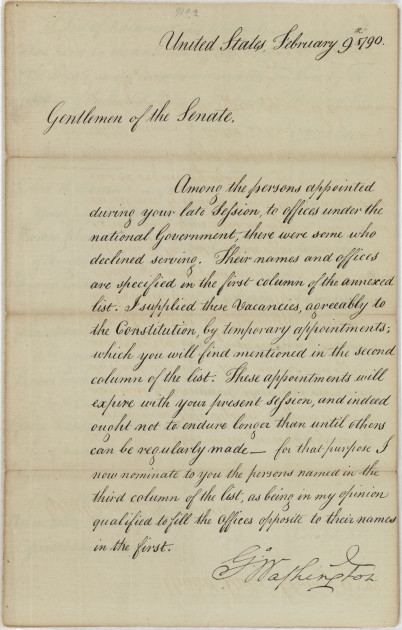
The judge’s ruling is a powerful affirmation that these temporary laws cannot be used as a permanent detour to install a controversial appointee – like Habba, whose nomination was blocked in the Senate – in a position of immense power without the required constitutional oversight.
“The Constitution is clear: top prosecutors must be confirmed by the Senate. The laws governing vacancies are meant to be temporary bridges, not permanent detours around the confirmation process.”
A Crisis of Legitimacy
Judge Brann’s ruling creates an immediate crisis for the Department of Justice in New Jersey.
It throws the leadership of the office into chaos and potentially jeopardizes every indictment, plea deal, and legal decision Habba has made since her original term expired on July 1st.
More broadly, it is a powerful judicial check on what the court saw as an attempt by the executive branch to bypass the Constitution’s explicit instructions for appointing powerful officials. The standoff over this one office has become a crucial battle over the integrity of the appointment process itself.