
The U.S. Senate has adjourned for the year in frustration, leaving a critical government funding package in limbo after a last-minute blockade by two Democratic senators.
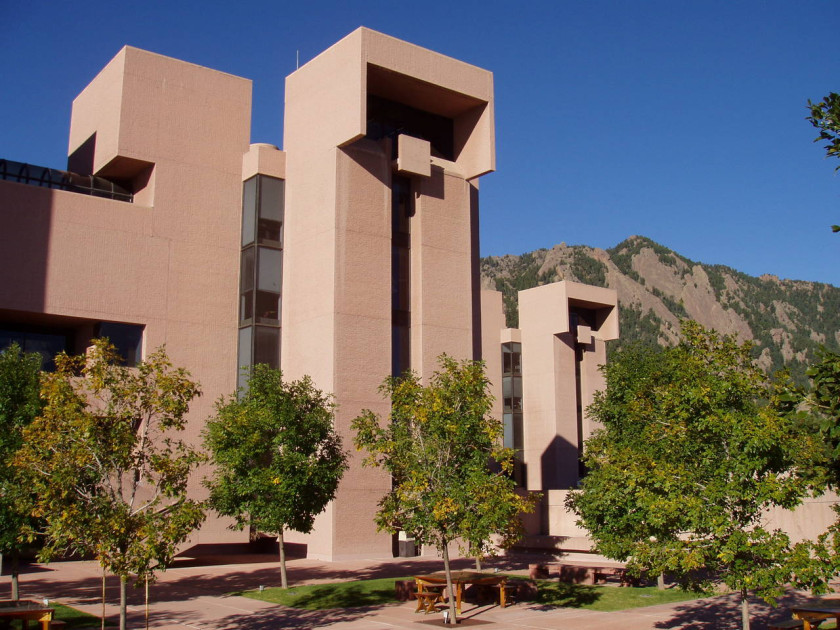
Despite weeks of negotiations to prevent a government shutdown on January 30, the deal collapsed late Thursday night. The sticking point was not the overall budget, but a fierce localized battle over the future of the National Center for Atmospheric Research (NCAR) in Boulder, Colorado.
This breakdown ensures that Congress will face a “brutal” legislative pileup when it returns in January, with government funding, healthcare subsidies, and the debt ceiling all colliding at once.
The Funding Failure At a Glance
- The Deadline: Government funding expires on January 30, 2026.
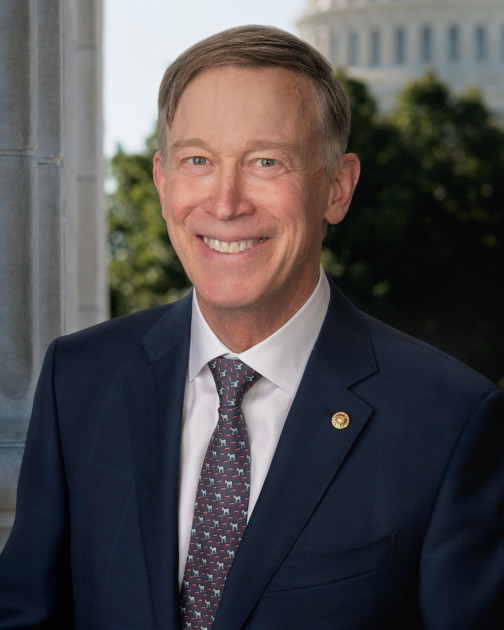
- The Blockade: Sens. John Hickenlooper and Michael Bennet (D-CO) withheld consent for the spending package to protest the Trump administration’s plan to dismantle NCAR.
- The Package: A 5-bill bundle covering Defense, Labor, Education, and Justice—a massive portion of the federal budget.
- The Confirmation Record: Before leaving, the Senate confirmed a tranche of nominees, bringing President Trump’s total confirmed nominees for 2025 to 417, surpassing President Biden’s first-year pace.
- The Looming Crisis: Lawmakers must now address both the funding deadline and the expiration of Obamacare subsidies (Dec. 31) immediately upon returning.
The Boulder Blockade
The Senate appeared ready to pass the funding package after Sen. Susan Collins (R-ME) announced that Republicans had cleared all their internal holds. But as the night wore on, it became clear that the two senators from Colorado were refusing to budge.+1
The dispute centers on a directive from OMB Director Russ Vought to break up NCAR, a federally funded research and development center. Vought has publicly labeled the facility “one of the largest sources of climate alarmism in the country” and vowed to move its “vital activities” elsewhere.+1
For Hickenlooper and Bennet, this was a red line. They argued that the facility is a scientific institution that should be immune to political retribution.
“Whatever disagreement there is between the state… and the President of the United States, that shouldn’t affect a scientific institution. Science should be free of that kind of politics.” — Sen. John Hickenlooper
‘Climate Alarmism’ vs. Research
The fight over NCAR highlights a deeper ideological clash regarding the role of federal science agencies.
The Trump administration views the center as a hub for “woke” science that justifies regulatory overreach. Senate Minority Leader Chuck Schumer (D-NY), conversely, called the administration’s move “disgusting” and defended the lab’s role in weather prediction and atmospheric study.
Because the Senate operates on unanimous consent for speedy scheduling, the two Colorado senators had the leverage to halt the entire five-bill package unless they received guarantees protecting the lab—guarantees Republicans could not or would not give.
A Brutal January Awaits
The failure to pass this package means Congress kicks the can into a remarkably crowded new year.
When lawmakers return, they will be staring down the barrel of the January 30 funding deadline. Simultaneously, they will be dealing with the fallout of the Affordable Care Act subsidies expiring on December 31, which is expected to spike premiums for millions of Americans.
Senate Majority Leader John Thune (R-SD) attempted to project optimism, noting that “Democrats are indicating that they want to do them [the bills],” but the delay compresses an immense amount of work into a very short window.
“If we want the Senate to matter, we should figure it out.” — Sen. Katie Britt (R-AL)
With the National Debt continuing to rise past $38 trillion and the budget process stalled, the first month of 2026 promises to be one of the most chaotic in recent congressional history.