
The machinery of the federal government is usually the silent partner in American governance, turning the gears of policy regardless of who sits in the Oval Office. But that machinery is currently grinding loudly against its operator. A quiet but significant revolt is brewing in the Senate, where two key Republicans have decided to challenge the President’s authority to unilaterally reshape the federal workforce.
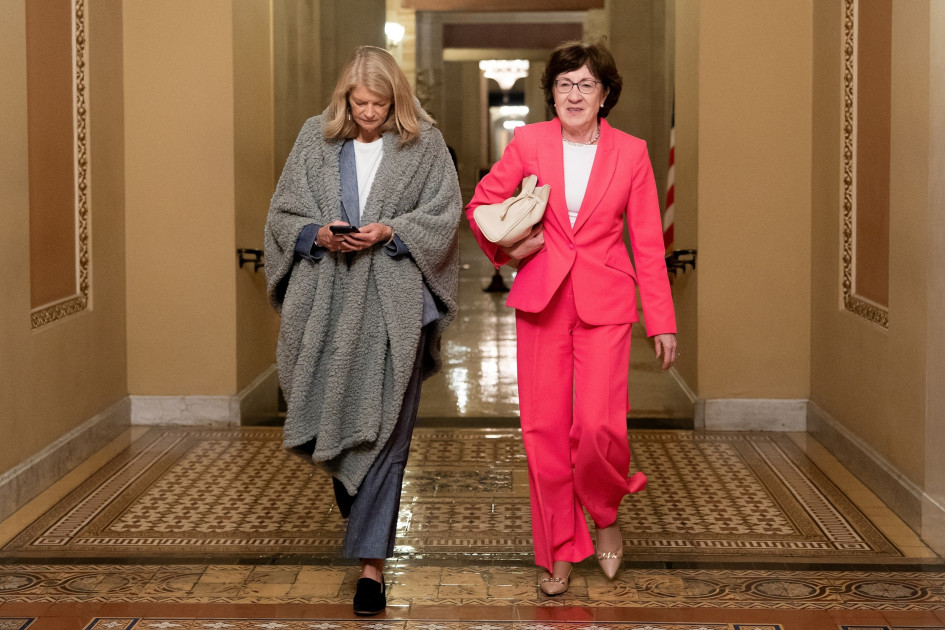
Senators Lisa Murkowski of Alaska and Susan Collins of Maine have crossed the aisle to co-sponsor the American Workers Protection Act. This legislation is designed to reverse President Trump’s controversial March executive order, which barred collective bargaining for most federal unions across critical agencies like the Departments of War, Justice, and State.
Can the President Rewrite the Civil Service Rules?
This is not merely a labor dispute; it is a constitutional skirmish over the separation of powers. The President, exercising his authority as head of the Executive Branch, argues that removing collective bargaining is necessary for national security and efficiency. However, Senator Collins argues that this executive action tramples on established federal law.
“Collective bargaining, which is afforded to federal employees under the Civil Service Reform Act of 1978, should be restored,” Collins stated.
By citing the Civil Service Reform Act of 1978, Collins is drawing a line in the sand. She is asserting that when Congress passes a statute guaranteeing rights, the President cannot simply erase those rights with the stroke of a pen.
A Crack in the GOP Wall
The Senate move follows a surprising rebuke in the House of Representatives. Last week, the lower chamber passed their version of the bill with the help of nearly two dozen Republicans.
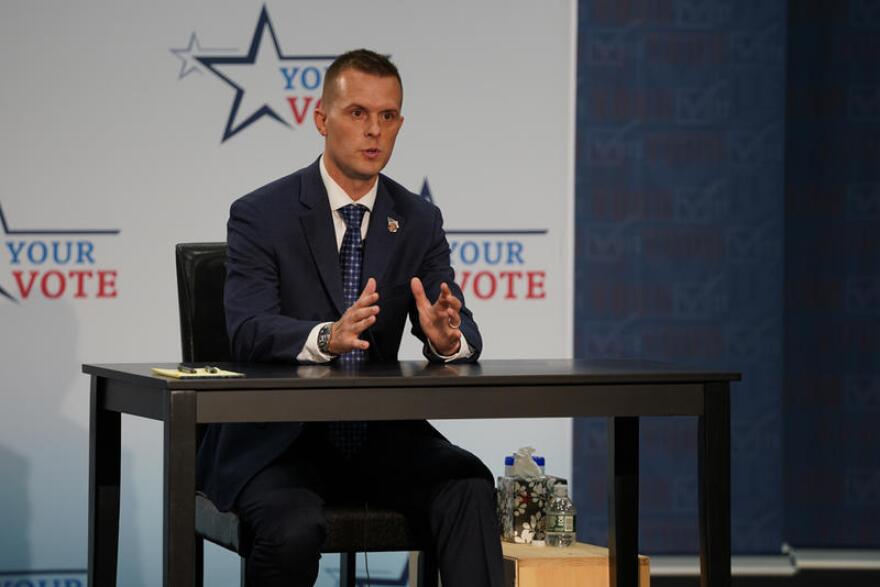
This was a rare instance of the President’s own party defying him on a signature policy issue. Representative Jared Golden utilized a “discharge petition”—a procedural maneuver that forces a vote over the objections of leadership—to get the bill to the floor. The fact that 20 Republicans voted “aye” suggests that for many lawmakers, the stability of the civil service outweighs party loyalty.
The Committee Where Bills Go to Die
Despite the bipartisan momentum, the path in the Senate is far more treacherous. Unlike the House, the Senate lacks an easy discharge petition mechanism. The bill is currently sitting in the Homeland Security and Governmental Affairs Committee.
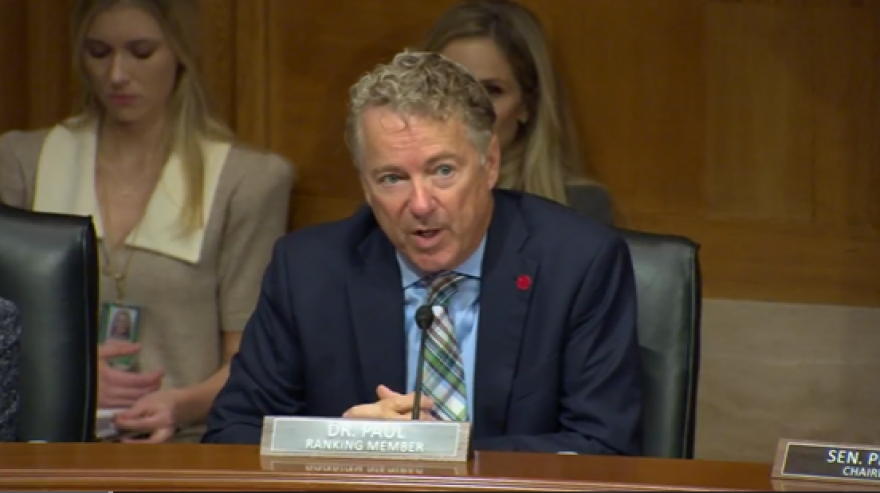
The chair of that committee is Senator Rand Paul, a staunch libertarian and advocate for “right-to-work” laws. Without his consent, the bill is unlikely to see the light of day. Furthermore, populist Republicans like Senator Josh Hawley have expressed skepticism, drawing a sharp distinction between private sector unions and public sector unions.
Historical Tidbit: Federal collective bargaining was first formalized not by Congress, but by President John F. Kennedy in 1962 via Executive Order 10988. It wasn’t until the 1978 Act that these rights were codified into statutory law, which is exactly why proponents argue a new Executive Order cannot revoke them.
The Stakes for the “Deep State”
This legislative battle strikes at the heart of the “Deep State” debate. The administration views these civil service protections as armor for an unaccountable bureaucracy that undermines the President’s agenda. Murkowski and Collins view them as essential safeguards against “political retribution.”
If this bill fails, the President will have successfully asserted a new level of control over the federal workforce, transforming civil servants into employees who serve closer to the pleasure of the President. If it passes, it will be a reassertion of Congress’s power to write the rules of the workplace, regardless of who occupies the White House.