
The next great battle over American federalism will not be fought over healthcare or immigration, but over the code that will run our future. In a forceful late-night statement, President Trump has declared his intention to wipe away a growing thicket of state-level artificial intelligence regulations, replacing them with a single national standard.
This is more than a policy dispute; it is a fundamental clash between the “laboratories of democracy” and the need for a unified national market. The President’s move to preempt state laws forces a profound constitutional question: Can the executive branch unilaterally silence the states to win a global technological arms race?
The “50 Approvals” Problem
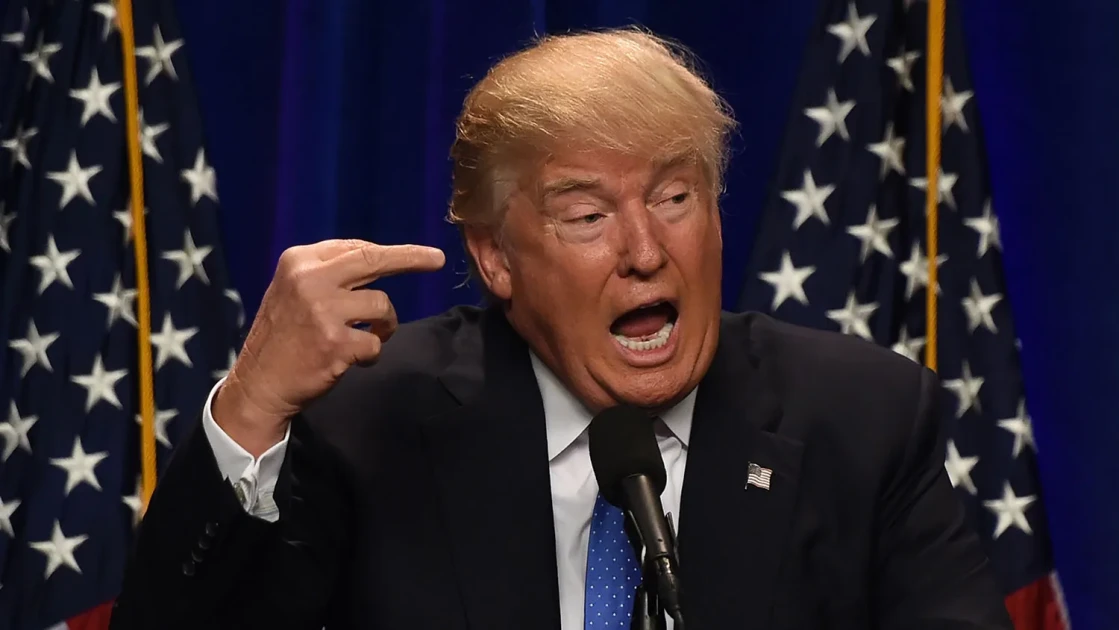
The President’s argument is one of pure economic efficiency. “You can’t expect a company to get 50 Approvals every time they want to do something,” he wrote. “AI WILL BE DESTROYED IN ITS INFANCY!”
He is responding to a very real and rapidly growing legal patchwork. Frustrated by congressional inaction, states have begun writing their own rules for the digital frontier.
- Colorado has enacted a law requiring companies to perform “impact assessments” to ensure their AI doesn’t discriminate in housing or employment.
- Tennessee passed the “ELVIS Act” to protect artists’ voices from unauthorized AI cloning.
- California is advancing new transparency bills (like S.B. 53) that would require detailed disclosures about the data used to train powerful models.
- Utah mandates that AI chatbots must disclose they are not human.
For a tech giant, this is a compliance nightmare—a “splinternet” where a model legal in Nevada might be illegal in California. The President’s proposed “One Rule” Executive Order aims to use federal power to bulldoze these local variances in favor of a single, likely more permissive, federal standard.
A History Lesson: The “Hands-Off” Internet
This approach is not without precedent. In fact, it mirrors the strategy that built the modern internet. In the 1990s, the Clinton administration released the “Framework for Global Electronic Commerce,” a landmark policy document that explicitly argued against state and local regulation of the nascent internet.
That policy, combined with laws like the Internet Tax Freedom Act (which banned states from taxing internet access), effectively preempted state interference. The logic was the same then as it is now: a new, fragile, and borderless technology cannot survive if it is strangled by thousands of local tax jurisdictions and regulatory fiefdoms. The President is betting that AI requires the same “green lane” that allowed the dot-com boom to flourish.

The Constitutional Hurdle: Preemption Without Congress?
However, the President faces a massive constitutional hurdle that Bill Clinton did not: Congress has not passed a law giving him this power.
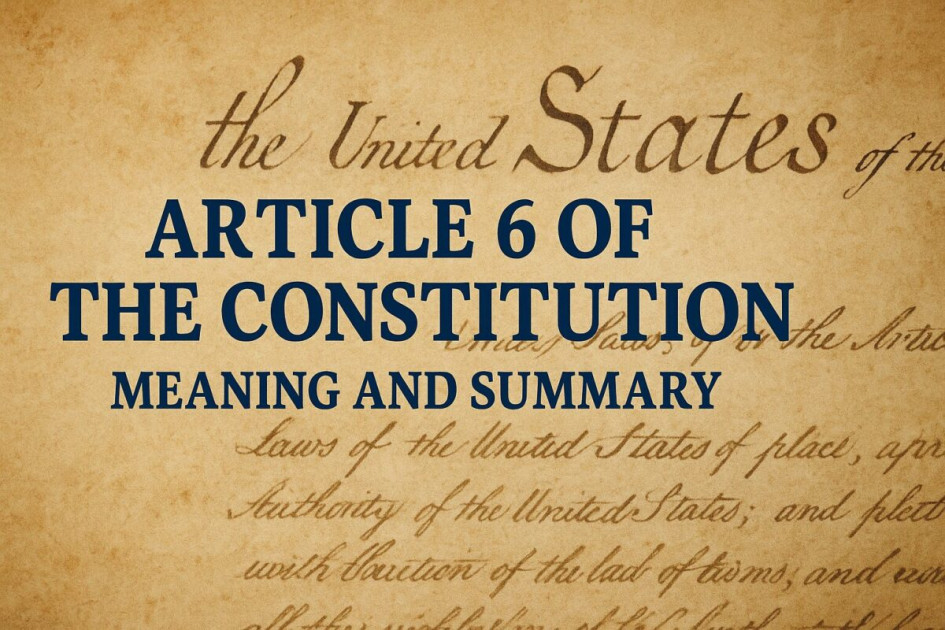
The Supremacy Clause of Article VI says that federal law trumps state law, but usually, there must be an actual federal law passed by Congress to trigger this preemption. The President cannot simply wave a wand and nullify state legislation.
The administration’s draft order reportedly relies on a novel legal theory involving the Commerce Clause. It argues that because AI exists on the internet and crosses state lines, it is inherently “interstate commerce” that states have no business regulating. It would deploy the Department of Justice and the Federal Trade Commission to sue states, arguing their laws burden the national market.
This sets the stage for a titanic legal struggle. States will argue they are exercising their historic “police powers” to protect the safety and civil rights of their citizens—preventing bias in loans or protecting children from deepfakes. The federal government will argue that these local laws are choking a strategic national asset needed to compete with China.
The “One Rule” executive order is a gamble. It attempts to achieve by executive decree what Congress has failed to do by legislation: create a national framework for AI. If it succeeds, it could unleash a new era of innovation. If it fails in the courts, it could leave the industry trapped in exactly the 50-state legal maze the President fears.