
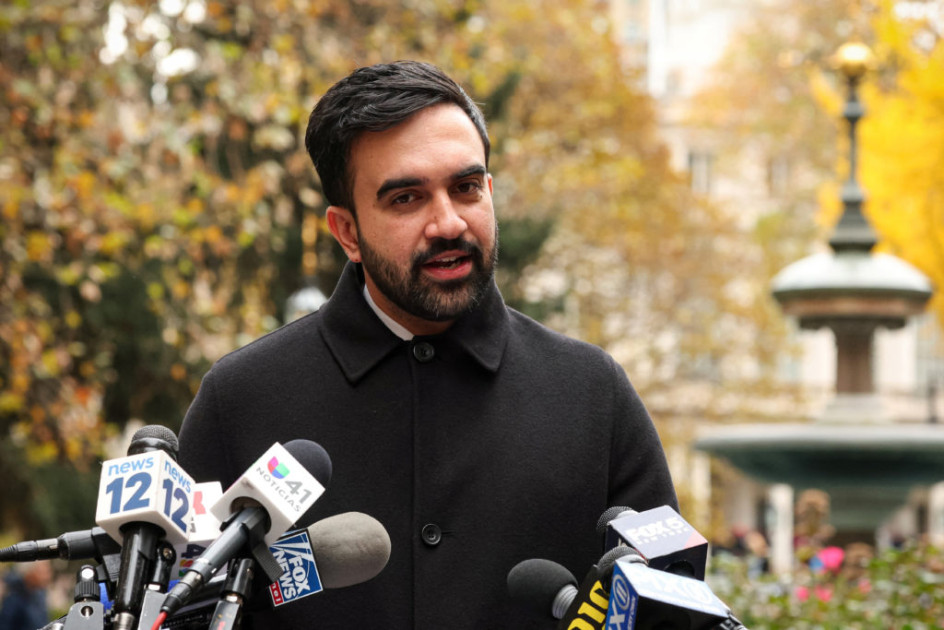
The newly elected leader of America’s largest city stood before a camera this Sunday, not to discuss subway crime or trash pickup, but to deliver a tutorial on resisting federal authority. Standing next to a flip chart scrawled with the words “Know your rights,” Zohran Mamdani issued a direct challenge to the agents of the Department of Homeland Security.
The video is the opening salvo in a looming constitutional war between New York City and Washington. By positioning himself as the protector of “more than 3 million immigrants” and advising them on how to evade federal agents, the Mayor-elect is testing the precarious boundary between educating the public on their civil liberties and actively impeding the enforcement of federal law.
Is This Education or “Aiding and Abetting”?
Mamdani’s video message was triggered by a recent ICE raid in Chinatown, an operation that was physically disrupted by protesters. In response, the incoming mayor doubled down, explicitly encouraging New Yorkers to “stand up” to federal agents.
“As mayor, I’ll protect the rights of every single New Yorker,” Mamdani declared. “And that includes the more than 3 million immigrants who call this city their home.”
His advice was specific and tactical. He instructed immigrants to refuse entry to agents without a judicial warrant signed by a judge, to remain silent, and to ask repeatedly, “Am I free to go?” Critics on the right immediately blasted the video as a how-to guide for “aiding abetting and advising criminals,” arguing that the Mayor-elect is undermining the rule of law by helping those breaking it to evade justice.
Does an Undocumented Immigrant Have Fourth Amendment Rights?
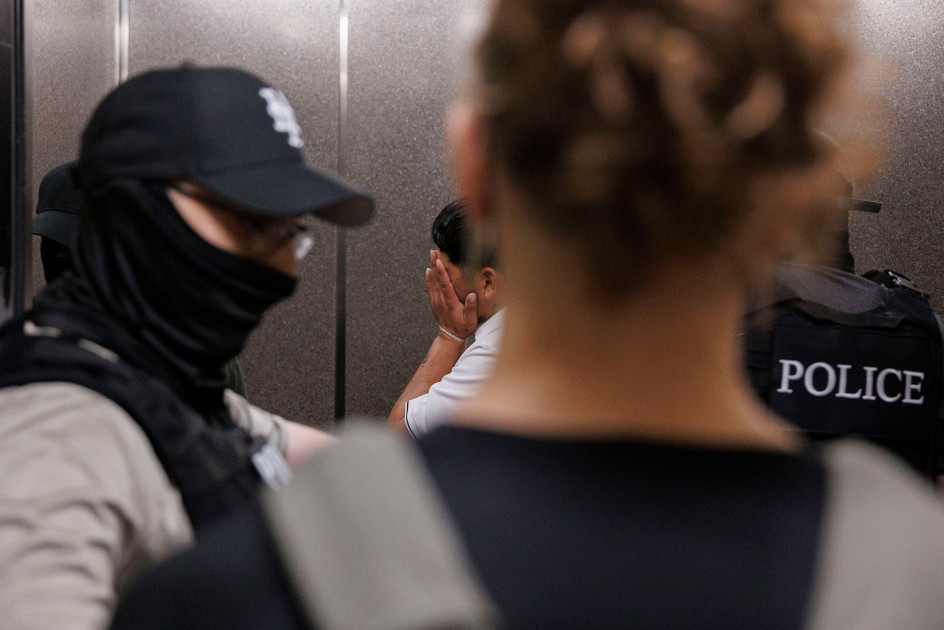
The political firestorm obscures a fundamental constitutional reality: the advice Mamdani gave is, as a matter of law, accurate. The Fourth Amendment, which protects against unreasonable searches and seizures, applies to “people,” not just citizens.
The Supreme Court has long held that federal agents cannot enter a private home without a warrant, regardless of the immigration status of the occupants. Mamdani’s distinction between a “judicial warrant” (signed by a judge) and an “administrative warrant” (signed by an immigration official) is a crucial legal nuance. Administrative warrants do not grant agents the authority to breach a private residence without consent.
Constitutional Tidbit: The application of the Fourth Amendment to non-citizens was reinforced in cases like Almeida-Sanchez v. United States (1973), where the Supreme Court ruled that roving patrols could not search vehicles without probable cause, even near the border.
Can a Mayor Declare a “Constitutional Right” to Obstruct?
Where the Mayor-elect enters dangerous territory is his framing of the public’s role. By stating that New Yorkers have a “constitutional right to protest” in the context of disrupting ICE raids, he is walking a fine line.
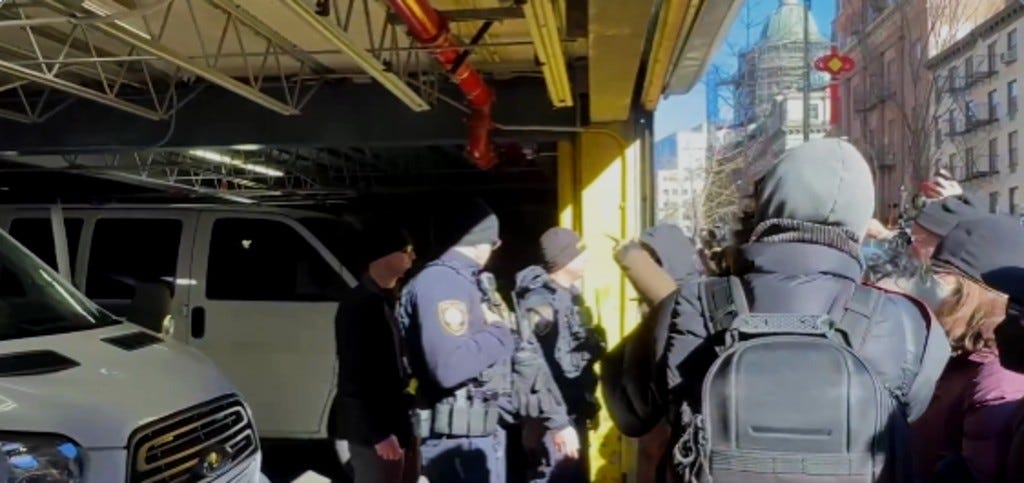
While the First Amendment protects the right to peaceably assemble and film police activity, it does not protect the physical obstruction of law enforcement. If “standing up” to ICE transitions from asserting one’s rights to physically interfering with an arrest—as happened in the recent Chinatown raid—it crosses the line into federal criminal conduct. Mamdani’s video creates a potential collision course between his administration’s rhetoric and the federal statutes governing obstruction of justice.
The Coming Collision
This video signals the end of the brief, unexpected “bromance” between Mamdani and President Trump following their recent White House meeting. The federal government has plenary power over immigration enforcement, but under the anti-commandeering doctrine of the 10th Amendment, it cannot force local officials to do its work.
Mamdani is taking that doctrine a step further. He is not just refusing to help; he is actively educating his constituents on how to make the federal government’s job as difficult as possible. As the Trump administration ramps up its deportation efforts, New York City is positioning itself not just as a sanctuary, but as a fortress of legal resistance. The question now is how aggressively the Department of Justice will respond to a city administration that is openly teaching its residents how to “thwart” federal agents.