
It is a rare sight in modern Washington: a prominent Senator publicly dismantling a core strategy proposed by one of his own party’s most legendary architects.
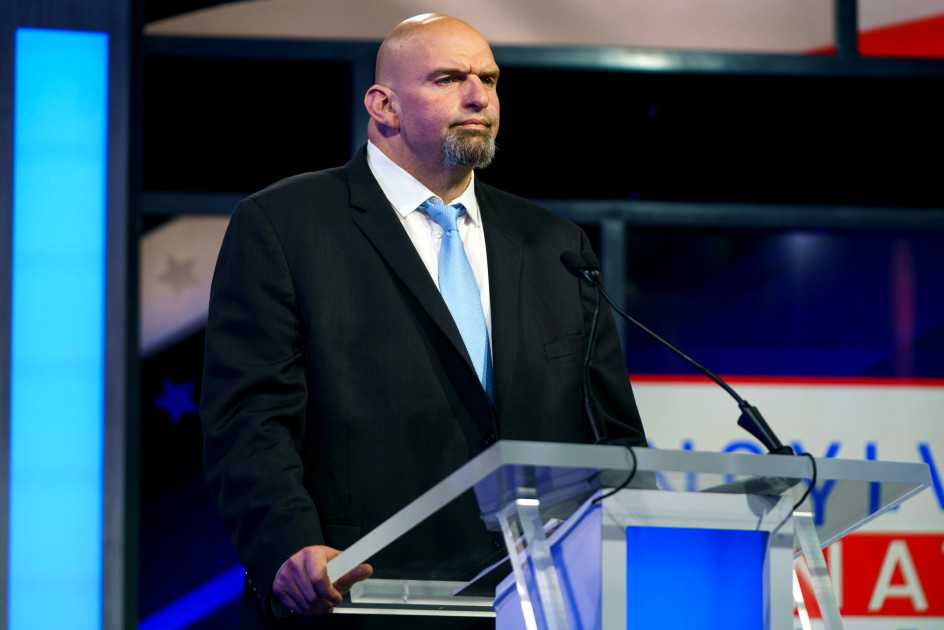
But that is exactly what happened this weekend when Pennsylvania Democrat John Fetterman flatly rejected strategist James Carville’s call to expand the Supreme Court.
The clash between the hoodie-wearing Senator and the “Ragin’ Cajun” is more than just cable news drama. It touches on one of the most sensitive nerves in the American constitutional system: the size, legitimacy, and independence of the highest court in the land.
At a Glance: The Court-Packing Debate
- What’s Happening: Senator John Fetterman (D-PA) has publicly rejected a proposal by strategist James Carville to expand the Supreme Court to 13 justices.
- The Argument: Carville argues the current Court lacks legitimacy and balance. Fetterman argues you “don’t change the rules if you didn’t win” and that Democrats should focus on winning elections instead.
- The Constitutional Reality: The Constitution does not specify the number of justices. Congress has changed the size of the Court seven times in history, though it has remained at nine since 1869.
- The Constitutional Issue: A tension between the Article III power of Congress to structure the courts and the separation of powers norms that protect the judiciary from becoming a purely political weapon.
‘Win More Elections’
The dispute erupted after James Carville appeared on “Saturday in America” to float a radical proposal: if Democrats retake the White House in 2028, they should “pack” the Court by adding four new liberal justices, bringing the total to 13.
Carville’s logic was blunt. Citing record-low approval ratings for the Court, he argued that expanding the bench is the fastest way to “get some balance.” He also took a personal swipe at Fetterman, suggesting the party is in “deep trouble” if the Senator is considered its intellectual leader.
Fetterman’s response was equally blunt and rooted in a distinct philosophy of democratic governance.
“It’s like, you don’t change the rules if you didn’t win. It’s, like, ‘Win more elections,’ and then you are able to change those dynamics the way it was designed to be in the Constitution right now.” – Senator John Fetterman

Fetterman is effectively arguing against constitutional hardball—the idea of using technical legal powers to shatter established political norms for partisan gain. He is positing that the remedy for political defeat is not to rewrite the rules of the game, but to play better in the next round.
The Magic Number Nine: A History, Not a Mandate
Carville is technically correct on one major constitutional point: “It is not written anywhere in the Constitution that you have to have nine.”
Article III creates the Supreme Court but leaves the details to Congress. In the early years of the republic, the number of justices fluctuated wildly to suit the political needs of the day.
- 1789: The Court started with 6.
- 1801: Reduced to 5 to block Thomas Jefferson from making an appointment.
- 1802: Restored to 6.
- 1807: Increased to 7.
- 1837: Increased to 9.
- 1863: Increased to 10 during the Civil War.
- 1866: Reduced to 7 to prevent President Andrew Johnson from filling seats.
- 1869: Fixed at 9, where it has stayed for over 150 years.
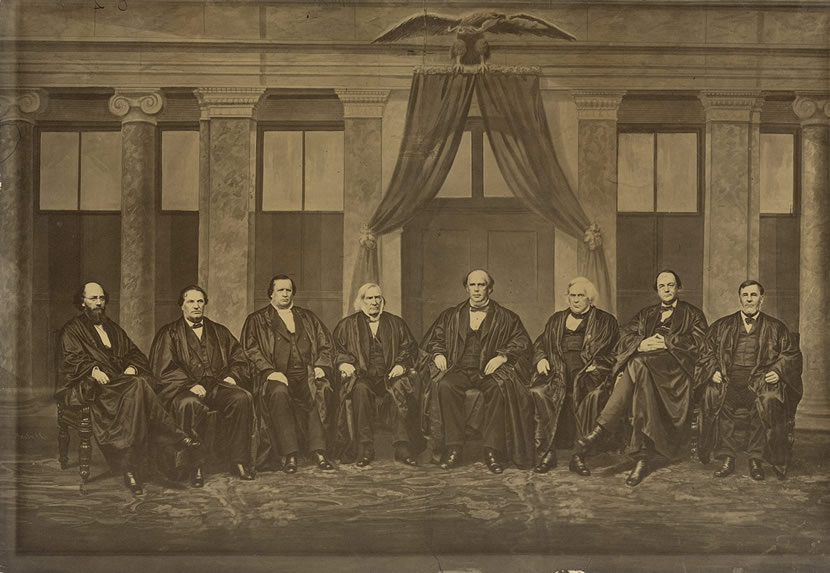
Since 1869, a powerful norm has solidified. Both parties have largely agreed that manipulating the Court’s size for political advantage would destroy its legitimacy as an independent branch of government.
The Ghost of 1937
The last serious attempt to expand the Court ended in a historic political disaster.
In 1937, President Franklin D. Roosevelt, frustrated that the Court kept striking down his New Deal programs, proposed adding up to six new justices. The “Court-packing plan” was met with fierce bipartisan opposition. Even FDR’s own Vice President worked against it. The plan failed, but it stands as a warning: tampering with the Court’s structure is often viewed by the public and Congress as a step too far.
“History offers a stark warning: FDR’s 1937 court-packing scheme was one of the greatest political blunders of his presidency. It was seen not as a reform, but as a hostile takeover of a co-equal branch.”
A Fight for the Party’s Soul
The spat between Fetterman and Carville highlights a deep fracture within the Democratic Party as it navigates the political wilderness of the Trump second term.
One side, represented by Carville, believes the current system is structurally rigged against them and requires radical, structural changes to fix. The other side, represented by Fetterman, believes in working within the existing institutions and norms to win back power through traditional persuasion and voting.
This isn’t just a strategy session; it’s a debate about the stability of the American system. If one party expands the Court to 13, the other will surely expand it to 15 or 17 the next time they hold power. Fetterman’s warning suggests that down that path lies not “balance,” but the complete collapse of the judicial branch as we know it.