What SCOTUS’ Emergency SNAP Ruling Means for Millions of Americans and Separation of Powers

The Supreme Court’s latest move wasn’t a full-blown constitutional landmark – it was a short emergency order on a Friday afternoon and then extended on Tuesday. But for roughly 42 million Americans who rely on food assistance, and for anyone who cares about the Separation of Powers, it landed like a thunderclap.

By extending a temporary pause on lower-court rulings, the Court is allowing the Trump administration to withhold billions in Supplemental Nutrition Assistance Program (SNAP) payments during a historic government shutdown – at least through Thursday night.

Is this just a procedural timeout – or a constitutional stress test on who controls federal spending when the government literally runs out of money?

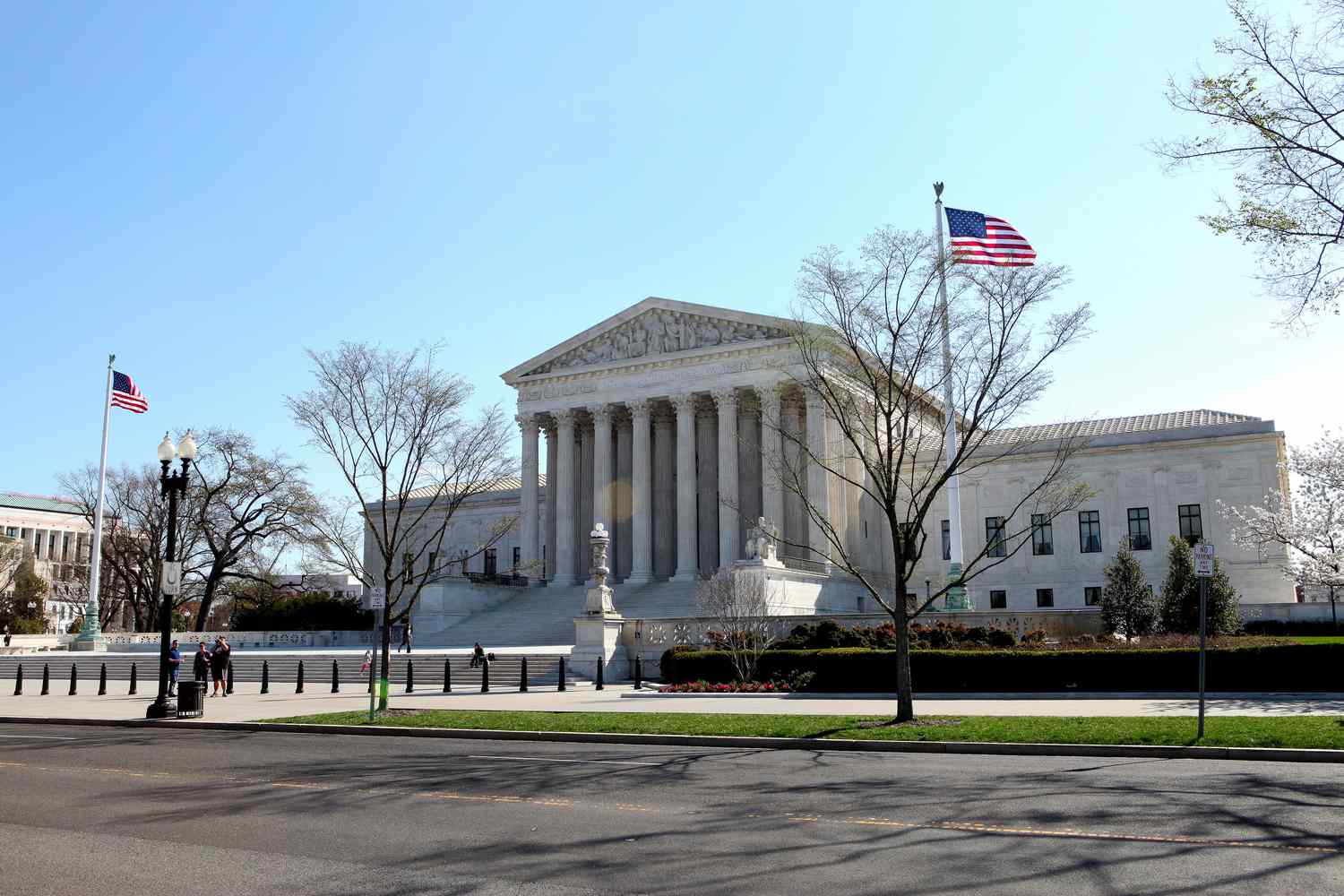
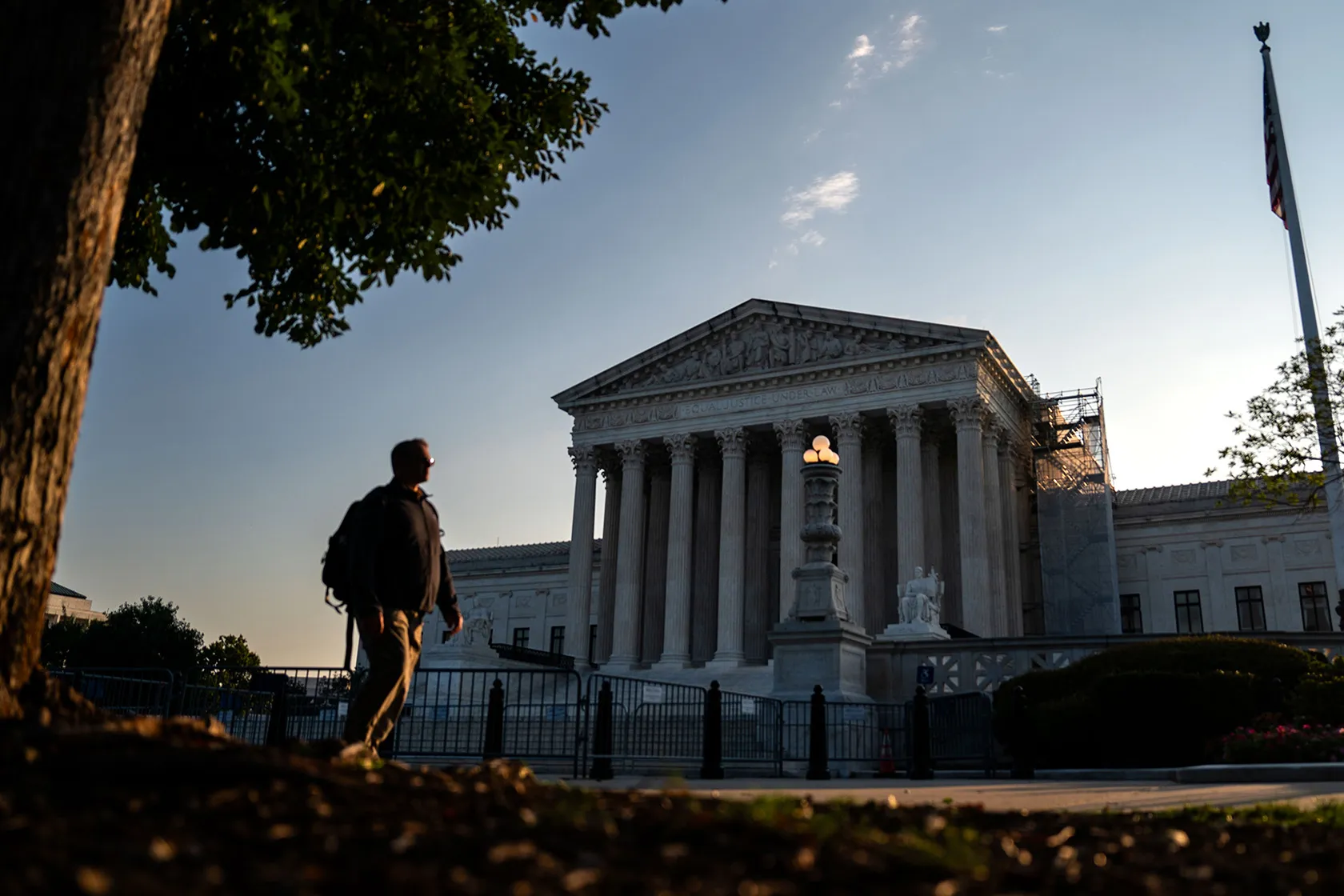
Supreme Court building at night

At a Glance

  • What happened: The Supreme Court extended an emergency stay that blocks lower-court orders requiring the Trump administration to pay full SNAP benefits for November during the shutdown.
  • Who is affected: About 42 million low-income Americans who receive SNAP, including millions of children, seniors, and people with disabilities.
  • Practical effect: States must follow federal guidance to issue only partial (about 65%) SNAP payments, or risk federal penalties, while litigation and shutdown negotiations continue.
  • Key constitutional issue: Whether federal courts can order the executive branch to spend money that the administration says it cannot lawfully disburse during a shutdown – and how that interacts with Congress’s Appropriations Clause power.
  • Timeline: The stay currently runs through 11:59 p.m. on Thursday, Nov. 13, buying time for both Congress and the courts – but not for families already seeing benefits lapse.

Discussion

ducky mcduckerson

SCOTUS is doing the right thing by letting Trump put a hold on all that emergency spending. Government can't just hand over billions like it's nothing! Can't fund what’s run dry! Courts overreaching and acting like they can boss the executive around is not how it's supposed to work.

Rich Madara

Explain to me what it is called with the billions sent to Argentina. I'll wait.

Sally

Rich please look it why the money was sent.

Curtis Rogers

Judges stepping on Trump's toes again! Separation of powers should mean something!

harrimac

I agree with the president the dems cant have their cake and eat it to when they play with matches and close the goverment down. One of the too few times the Justices got it right.

Iron Phoenix

Want to put an end to shutdowns forever? No taxes can be collected during a shutdown.

Irl

It shows how uninformed you are… Most of the people aren’t poor that are on food stamps. They’ve got themselves into a position because they’ve been taught not to work at all when I see them on TV. It looks like they haven’t missed a meal ever so it has nothing to do with being a Christian.

Bruce Wood

That were a lot of obesity comes from, all the soda, candy and chips they buy with snap instead of good nutritional healthy food. Understand they have knocked off soda not sure about anything else but all junk food needs to be banded from snap plus there are a lot of able bodied people that need to be working instead of living off taxpayers.

Margaret Coughlin

What the dickens is going on Do not say you are Christians while starving the poor. You are letting Trump ruin people. You are a check on the executive branch act like it

Diane Greene

I've been on the street and pour myself and to tell you the truth the only thing that motivated me was when I didn't have a handout. Some people definitely need handouts and a hand up but I've been on food stamps and I see how they spend them on sweets and soda and whatever. And then we go into their homes to take food and they pick great big televisions and cell phones Etc. It's very difficult but this government cannot support millions of people like that that are not working. There should be a time limit and the handout should be for a limited time only while they train for a job are they sure that they're looking for work. I've seen the inside of the system and I know how many people are just using it

william

stupid

MARY Heath

You also cannot call yourself a Christian if you are Pro-Life (pro abortion)either.

David Faulkner

Margaret, Please show me in the Holy Bible where God (YHWH) commanded secular government to feed the poor and needy! I'll make it easy for you, there is no such commandment. However, God (YHWH) and the LORD Jesus Christ, by example, commanded His Church to feed the poor and needy, specifically minor orphans and widows under the age of 60. Before the Great Depression, the Churches in America took care of the poor and needy; however, FDR started the process of replacing the Church with the Federal Government and the Church has never taken back its rightful and commanded responsibility. The Church needs to take back its rightful role and the Government needs to get out of the welfare business. All it does is destroys the human soul by allowing the lazy to remain at home and get fat while failing to contribute to the nation.

Wynona

Correction to the article: The government shut down occurred on October 1, but the benefits didn't expire until November 1.

Jim

It’s a concerning sign of our times when the courts have to intervene in decisions about basic needs. We need our government to follow constitutional limits, but it's with a heavy heart I wonder how these families are supposed to make it without full support.

L J

The government is selfish and childish

Ken P

Not all of it, there are many that know the laws and there are a ton that dont care about anyone but themselves — the Dems

Lucy Darling

They need to get a job

Bruce Wood

Lower courts have no business trying to override the executive branch especially when it is being done by liberal non constitutional judges that are just try to fight politically.

Rose B

There are local food banks and charities to get them through for a month, for those truly in immediate need. For those that abuse the system (and there are many), they can get a job.

BRIAN F MARTIN

The tragic takeaway I get out of the is that our country has degraded to the point that 42 million or 12% of our population either can't or won't feed themselves.

Phil

There are those that think, or at least try to. Saying that all people are lazy, there are those (elderly, disabled, veterans) that actually need/earned them.

CrowHawk

Trump can't empty the bank on the whelm of a Democrat Judges lower Court ruling, he's the President not the King, Democrat Loon wings thought that by Protesting that Suddenly made him One. If the government can just keep spending when the Banks are down to nothing and not suffer any consequences, then we as Americans ought to be able to just spend like there's no tomorrow, Sounds Crazy Doesn't it?

B Faria

Nothing is ever guaranteed and it’s our tax dollars paying for these benefits that are abused by far too many! Get a job or 3 like most of us and make your way. These benefits are supposed to be a helping hand not a freaking lifestyle! They whole system needs a cleansing and do over: strict guidelines and those able must work as well. The one person that commented that most on snap aren’t poor…..um there are financial guidelines to quality. So yes they have to fit in thee income bracket.

Leave a Comment

Leave a Comment

What exactly did the Supreme Court do?

Start with the bare mechanics.

Federal district and appellate courts ordered the Trump administration to restore full SNAP payments for November, after the program effectively ran out of money when the shutdown began on November 1.

The administration responded by asking the Supreme Court for emergency relief. Late last week, Justice Ketanji Brown Jackson, acting as the Circuit Justice, issued an initial temporary stay of the lower-court order – freezing the requirement to send full benefits.

On Tuesday, the full Court extended that stay through Thursday night, allowing the administration to continue sending only partial SNAP payments (about 65%) while Congress works on a potential shutdown deal and the litigation continues.

“The answer to this crisis is not for federal courts to reallocate resources without lawful authority.”

That line – quoted from the administration’s briefing and highlighted by Fox and other outlets – is the constitutional core of the dispute.

SNAP EBT card on grocery store counter

How we got here – SNAP, shutdown, and the 65% rule

SNAP is normally straightforward: Congress appropriates money, USDA administers it, states distribute electronic benefits each month. The program has operated for six decades without a mid-month collapse.

The current shutdown broke that pattern:

  • The government shut down on Nov. 1, and the administration allowed SNAP funds to lapse instead of using stopgap authority to backfill the month.
  • USDA told states they would receive only about 65% of the usual November funding, and ordered them to adjust benefits accordingly.
  • Some states, relying on lower-court orders, went ahead and issued full benefits anyway, betting that the courts would force the federal government to reimburse them.
  • The administration then warned non-compliant states that they could face economic penalties, prompting yet another round of emergency litigation.

Lower courts sided with the states, concluding that existing federal law requires full, timely SNAP payments, and that the administration could not unilaterally shortchange beneficiaries because of a political stalemate in Washington.

The Supreme Court has now temporarily overridden those lower-court orders, at least for a few days.

Who bears the immediate risk?

From a human perspective, the answer is simple: households on SNAP.

Advocates and state officials have described:

  • food banks overwhelmed by new demand,
  • families choosing between groceries and medication, and
  • states scrambling to manage conflicting signals from USDA and the courts.

But the legal risk is more complicated. It falls on:

  • States that followed lower-court orders and paid full benefits, and now worry they may not be reimbursed if the Supreme Court ultimately sides with the administration.
  • The executive branch, which insists that paying full benefits without a clear appropriation would violate Congress’s exclusive control over spending.
  • The courts themselves, which are being asked either to order spending in the middle of a shutdown or to step back and leave millions of people exposed.

For now, the Court has chosen to preserve the administration’s partial-payment status quo, not the lower courts’ vision of statutory rights to full benefits.

That’s a procedural choice – but it carries real constitutional and political weight.

The constitutional fault line: who controls the purse?

The heart of this fight is the Appropriations Clause and the broader separation of powers.

The Trump administration’s argument goes roughly like this:

  • Only Congress can appropriate money.
  • During a shutdown, there is no valid appropriation for full SNAP benefits at existing levels.
  • If lower courts can nevertheless order the executive to pay full benefits, they are effectively writing appropriations from the bench, intruding on legislative powers.

The states and SNAP recipients counter with a different legal narrative:

  • The SNAP statute creates ongoing entitlements – Congress has already made the policy choice that eligible households are entitled to a certain level of benefits.
  • The shutdown is a political failure, not a legal nullification of statutory rights.
  • Courts are not creating new spending; they are enforcing existing law against an executive that is using the shutdown as leverage.

From a constitutional perspective, the tension looks like this:

  • Too much judicial deference to the administration risks turning statutory entitlements into political bargaining chips whenever a shutdown occurs.
  • Too much judicial intervention risks converting courts into shadow appropriations committees, ordering expenditures that Congress hasn’t clearly funded in the current fiscal standoff.
long line outside a food bank in a US city

The shadow docket question

This case is also part of a larger pattern: the Court’s use of emergency orders, often called the “shadow docket,” to resolve or reshape major public-policy disputes without full briefing, oral argument, or signed opinions.

Here, the Court:

  • intervened on an accelerated timeline,
  • relied on short written filings rather than months of formal briefing, and
  • issued a brief order that extends a stay but does not fully explain the justices’ reasoning.

Justice Jackson noted that she would have denied the request to extend the pause – signaling at least some disagreement within the Court about how far emergency relief should go in a case with this level of human impact.

The Constitution does not forbid emergency orders. But when a short, unsigned ruling effectively decides who eats and who doesn’t for a month, it raises familiar questions about transparency, accountability, and the proper scope of judicial power in our constitutional system.

Equal protection and due process – are they in play?

So far, the litigation has focused more on statutory rights and separation of powers than on classic Fourteenth Amendment equal protection claims. SNAP is a federal program administered through the states, which complicates the usual state-action equal protection analysis.

Still, there are constitutional threads worth watching:

  • If some states are able, politically or fiscally, to front full benefits while others send only 65%, the geography of hunger will track political boundaries. That’s not automatically unconstitutional – but it raises questions about uniform administration of federal benefits.
  • To the extent families lose benefits without clear notice or a consistent process, due process concerns may eventually surface, especially where the shutdown interrupts benefits that recipients have a legitimate claim of entitlement to under existing law.

For now, the main constitutional spotlight is still on who decides how much money moves – Congress, the executive, or the courts – when the normal appropriations engine stalls.

Politics without the spin

It’s easy to frame this as a win for one team and a loss for the other:

  • The Trump administration is calling the order a victory for separation of powers, arguing that courts shouldn’t “make a mockery” of that principle by forcing spending that Congress hasn’t clearly authorized in the context of a shutdown. Fox News+1
  • States and advocacy groups say the administration is “playing politics with food,” using the pain of suspended benefits as leverage in negotiations with Congress.

Both narratives are political. The constitutional question is quieter and more fundamental:

When the branches of government deadlock, do statutory entitlements still mean what they say, or do they shrink to fit the size of the most recent crisis?

The real stakes

This emergency ruling does not permanently decide how SNAP works. It does not rewrite the Constitution or the SNAP statute. It does not formally bless the idea that presidents can weaponize shutdowns to reshape entitlement programs.

But it does three important things in the short term:

  • It tolerates partial payments for now, treating the administration’s shutdown-era policy as the operative status quo.
  • It signals caution about courts ordering large, ongoing federal expenditures during a funding lapse.
  • It pushes responsibility back toward Congress, effectively telling lawmakers: this is your shutdown, your spending power – fix it.

Congress may well pass a funding deal that restores full SNAP payments and makes this specific emergency order a historical footnote. That would solve the immediate crisis – but it would not answer the deeper constitutional question the case has exposed.

Where this leaves the Constitution – for now

For a blog about the Constitution, the lesson here isn’t about who is “for” or “against” food stamps. It’s about how fragile legal guarantees become when the branches of government stop doing their jobs in sync.

  • The legislative branch holds the purse strings but can, by inaction, leave statutory promises unfunded.
  • The executive branch can use that gap to advance its own negotiation strategy, framing it as constitutional fidelity to the Appropriations Clause.
  • The judicial branch can either enforce the promises in the statute or defer to the elected branches – but when it acts through emergency orders, its constitutional voice is the quietest and hardest to scrutinize.

In other words, this emergency SNAP ruling is a reminder that the Constitution doesn’t run on autopilot. It depends on each branch using its powers – and its self-restraint – in ways that keep statutory rights meaningful, even in the middle of a political standoff.

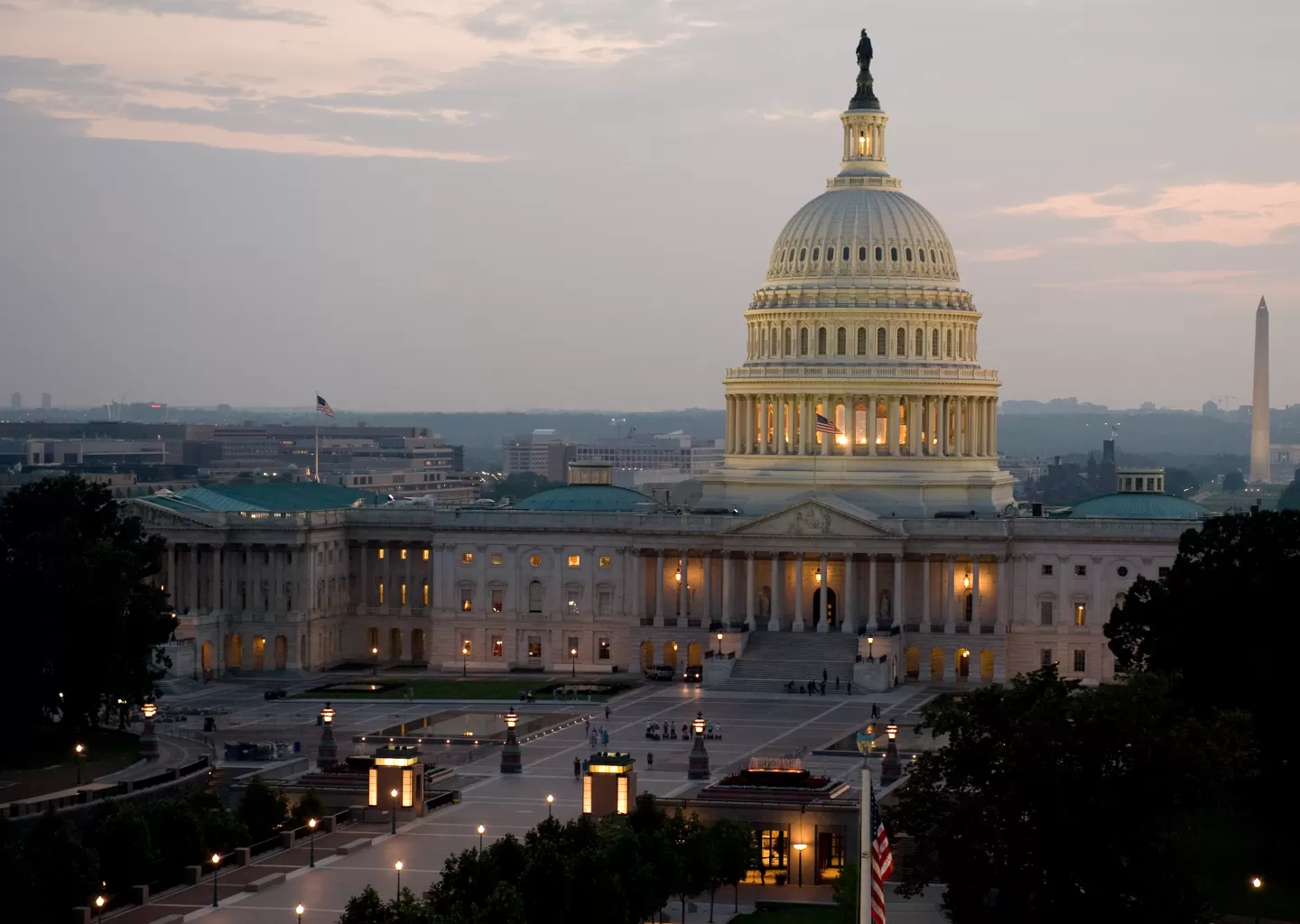
Congress at night during government shutdown

What happens next will be decided as much in Congressional conference rooms as in Supreme Court chambers. But for millions of families watching their grocery budgets shrink, the constitutional debate is already very real.

Because the underlying question isn’t just whether SNAP recipients get full benefits for November – it’s whether, in a shutdown, the promises Congress has already written into law still count as promises at all.