
A federal court has just revived a controversial Texas law, plunging performers, business owners, and families into a state of profound legal chaos. The decision, a complex legal maneuver, has not settled the debate. It has thrown gasoline on a fiery national conflict over the First Amendment, public decency, and who gets to decide what art is acceptable.
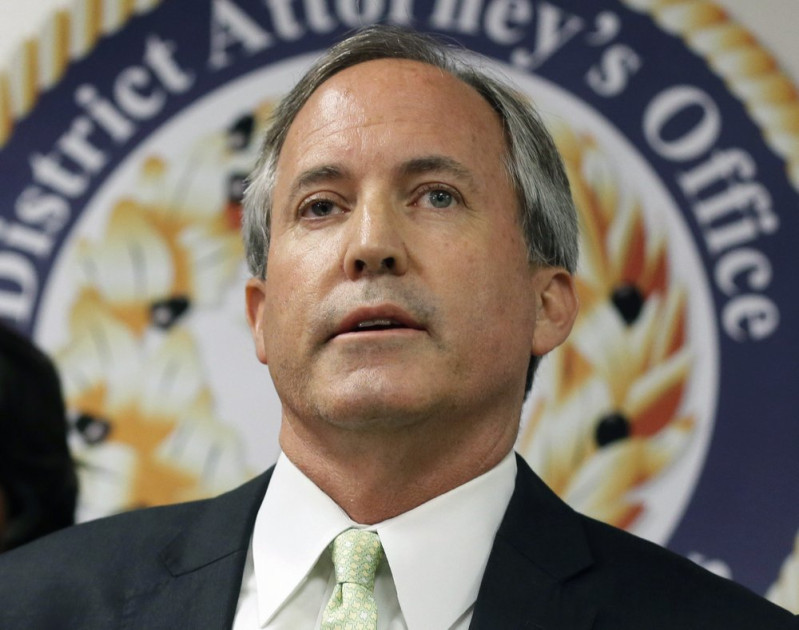
A divided panel of the 5th U.S. Circuit Court of Appeals has reversed a lower court’s order, allowing Texas’s “drag ban” (Senate Bill 12) to go into effect. The law, championed by Attorney General Ken Paxton, aims to “shield our children from… sexually oriented performances.”
It creates a new category of offense, banning suggestive dancing or the use of certain prosthetics on public property or in front of anyone under 18. The penalties are severe: a $10,000 fine for any business that hosts such a performance and a Class A misdemeanor for the performer.
Is All Drag Now Illegal in Texas?
This is where the court’s ruling creates a constitutional mess. The appeals court did not rule that all drag is inherently sexual or that the law is constitutional.
Instead, in a highly technical move, the judges ruled that most of the plaintiffs – including pride groups and a drag performer – had not proven they were planning to hold “sexually oriented” performances. Therefore, the court reasoned, they couldn’t be harmed by the law and lacked the legal “standing” to sue.
This is a procedural victory for the state, but it leaves the law’s ultimate constitutionality as a ticking time bomb.
What is the Law’s True Power?
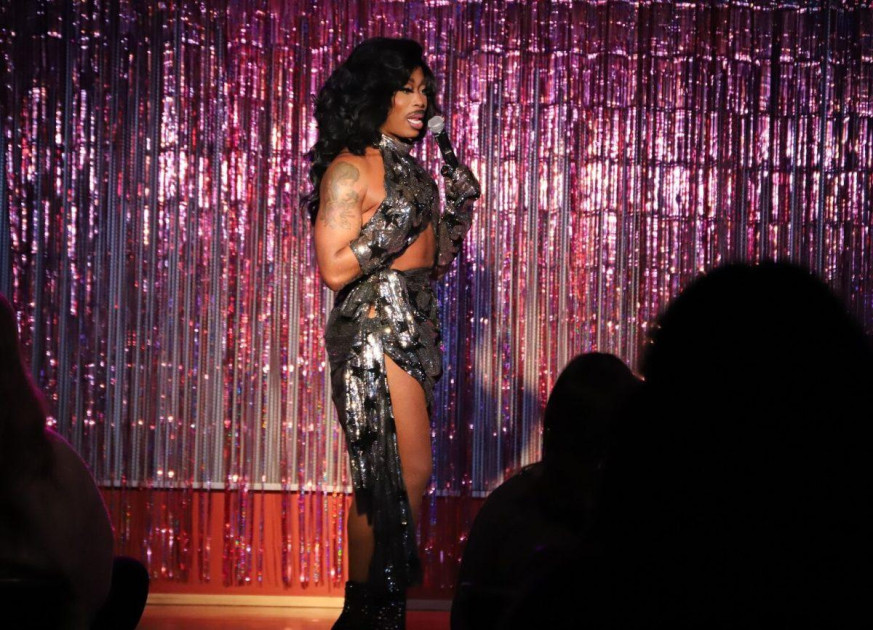
The immediate result is not clarity, but fear and confusion. The law’s vague language is its true weapon. When does a dance become “suggestive”? What, exactly, is a “sexual gesticulation”? A performer in a public Pride parade now has to guess whether their act is protected First Amendment expression or a crime.
This is the very definition of a “chilling effect.” When citizens must censor themselves for fear of prosecution under a vague statute, the First Amendment is already failing.
How Does the Constitution Define “Obscene”?
This legal battle is a “litmus test” for the First Amendment. The Constitution does not protect “obscenity.” But the Supreme Court has struggled for centuries to define what that means.
The current standard, from the 1973 case Miller v. California, is that material is only “obscene” if it lacks “serious literary, artistic, political, or scientific value” and appeals to a “prurient interest” as judged by “contemporary community standards.”
The Texas law attempts to bypass this high bar by creating a new, lesser standard of “sexually oriented,” which critics argue is a direct assault on the Miller precedent. The ACLU, representing the plaintiffs, has vowed to continue the fight.
“We are devastated by this setback, but we are not defeated… The First Amendment protects all artistic expression, including drag. We will not stop until this unconstitutional law is struck down for good.”
A “Headlong” Collision with the First Amendment
The 5th Circuit panel was not unanimous. The ruling included a sharp partial dissent from Judge James Dennis, who blasted the majority’s comments – including a footnote that expressed “genuine doubt” that some performances are “actually constitutionally protected.”
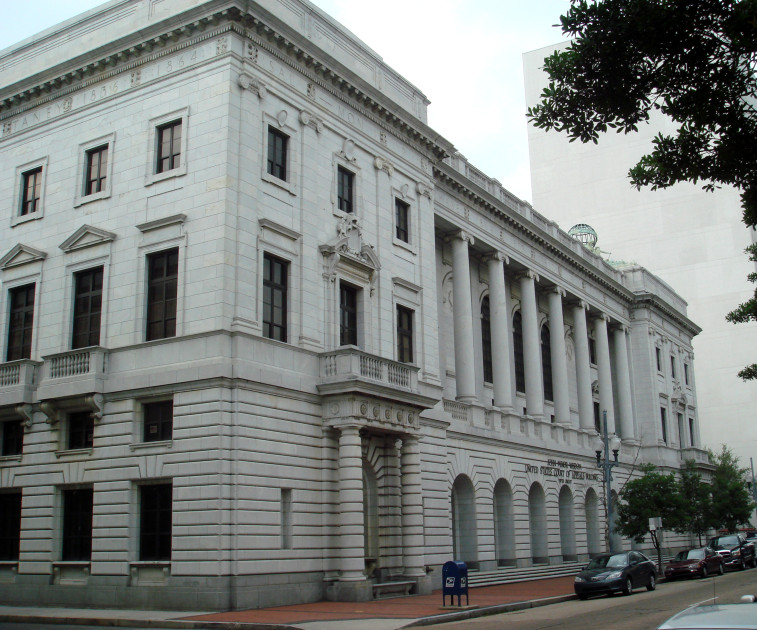
Judge Dennis warned that the majority’s opinion “runs headlong into settled First Amendment jurisprudence and threatens to mislead on remand.”
What Happens Now?
This case is the very definition of a constitutional conflict: the state’s legitimate “police power” to protect minors versus the First Amendment’s absolute prohibition against laws that are so vague they censor protected speech.
The case now returns to the district court, but the legal landscape has been radically altered. The law is in effect, and performers across Texas must now make a difficult choice: censor themselves or risk becoming the next test case in a legal battle that is far from over.