
The strange legal odyssey of one Salvadoran migrant has just taken another bizarre and constitutionally troubling turn. Federal prosecutors, who have pursued criminal charges against Kilmar Abrego Garcia with vigor, have now signaled to a judge that they would rather deport him immediately – possibly to Liberia – than actually bring him to trial.
This startling admission raises profound questions about the administration’s motives and its respect for the judicial process. It is a moment that forces us to ask: Is the government using the threat of deportation as a tool to sidestep the constitutional guarantee of due process in our criminal courts?
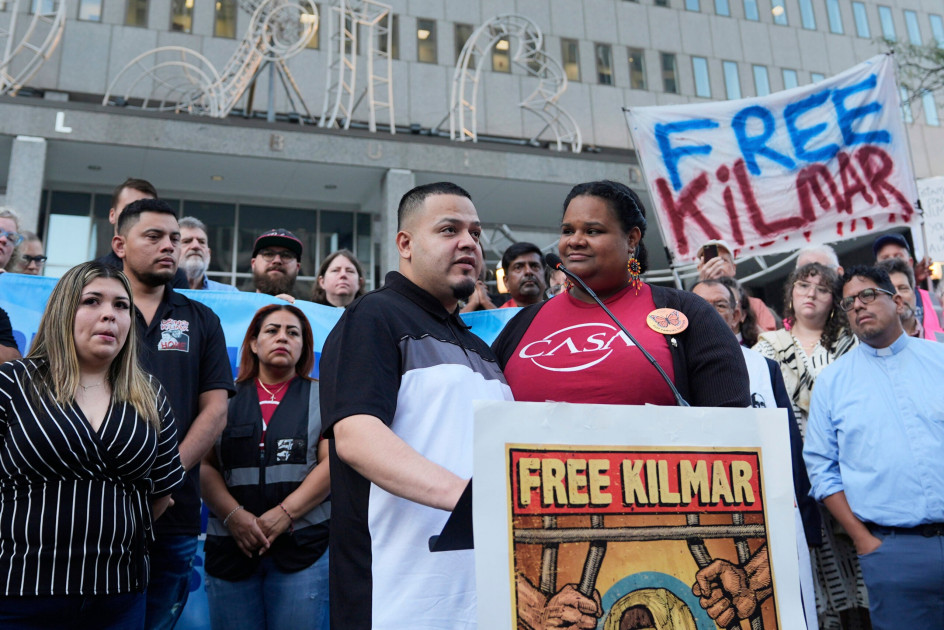
How Did We Arrive at This Point?
The case of Kilmar Abrego Garcia has been a legal and constitutional minefield for months. Illegally deported to El Salvador earlier this year in defiance of a court order, he was forcibly returned to the U.S. only to be immediately arrested on separate criminal charges in Tennessee related to transporting migrants.
While fighting those charges, he has also been battling a second deportation attempt by the Department of Homeland Security (DHS), this time to a third country in Africa. A federal judge in Maryland, Paula Xinis, currently has an injunction in place blocking that deportation while she reviews the case.
Would the Government Really Drop Its Own Prosecution?
The latest bombshell dropped during a hearing before Judge Xinis on Monday. A Department of Justice (DOJ) lawyer, Drew Ensign, was asked directly if the administration would deport Abrego Garcia to Liberia this Friday if the judge lifted her injunction.
“I have been told that if there was no prohibition, we would remove him on Friday,” Ensign stated.
When pressed on how this deportation would affect the pending criminal trial in Tennessee, the DOJ lawyer admitted he did not know. Judge Xinis expressed deep skepticism about the timing, noting a critical hearing is scheduled next week in Tennessee to determine if the criminal charges themselves were brought vindictively by the government.
“I don’t believe a criminal case can go forward if there’s no defendant,” Xinis observed dryly. “It just doesn’t pass the sniff test that there hasn’t been some coordination.”

Why Might Deportation Be Preferable to a Trial?
The judge’s suspicion points to a disturbing possibility. Is the administration trying to use its deportation power to make the potentially embarrassing Tennessee hearing disappear? If Abrego Garcia is removed from the country, the criminal case against him effectively collapses.
This raises serious constitutional concerns under the Fifth Amendment’s Due Process Clause. While deportation is a civil matter, using it to deliberately short-circuit a criminal proceeding – especially one where the government’s own motives are being questioned – is a potential abuse of executive power. It suggests a willingness to sacrifice the pursuit of criminal justice for the sake of political expediency.
What About the Destination?
Adding another layer of legal complexity is the choice of destination. Abrego Garcia’s lawyers have expressed grave concerns about Liberia, noting the lack of clear assurances that he would be safe or free from being sent back to El Salvador, where he fears persecution. They reiterated his willingness to go to Costa Rica, the one nation that has offered explicit asylum guarantees.
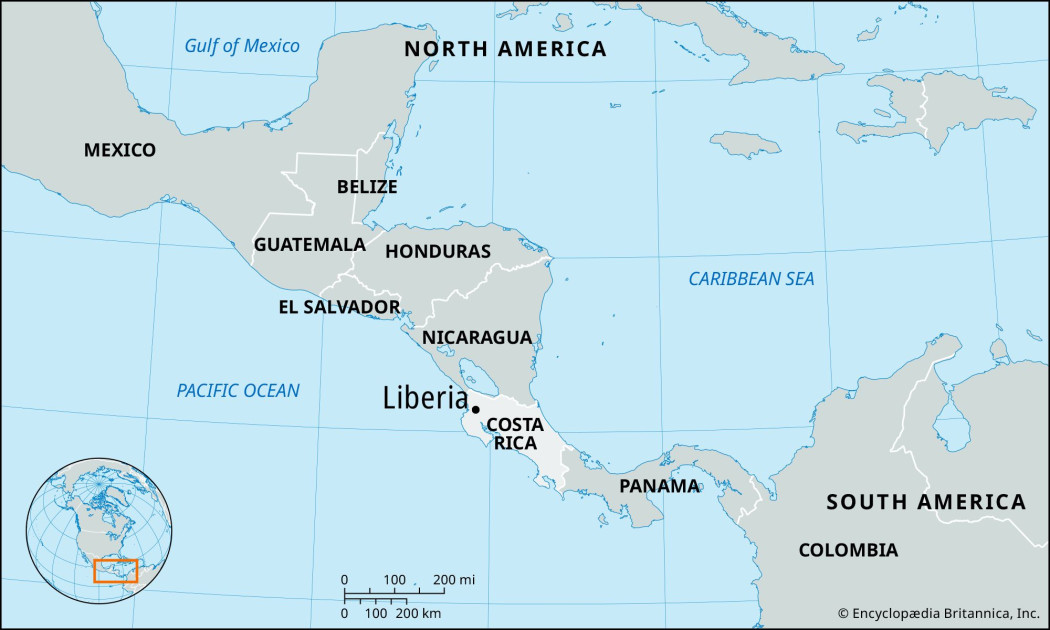
Judge Xinis questioned the DOJ lawyer about why the government is pushing for deportation to a fourth African nation when a seemingly viable option in Costa Rica exists. The administration’s apparent refusal to accept the Costa Rica option adds fuel to the suspicion that their primary goal is not simply removal, but removal in a way that most effectively ends Abrego Garcia’s legal challenges within the U.S. system.
What Comes Next?
Judge Xinis has kept her injunction blocking the deportation in place until at least October 6th, when she will hold a full evidentiary hearing. Meanwhile, the crucial hearing in Tennessee on the vindictive prosecution claim looms next week.
This case has become a complex and constitutionally significant battle on multiple fronts. It is a test of judicial power against executive defiance, a test of due process in both the immigration and criminal systems, and a test of whether the immense power to deport can be wielded as a weapon to silence inconvenient legal challenges.