Supreme Court Slams Door on Maxwell’s Last Appeal – But Her Lawyer Says “This Fight Isn’t Over”

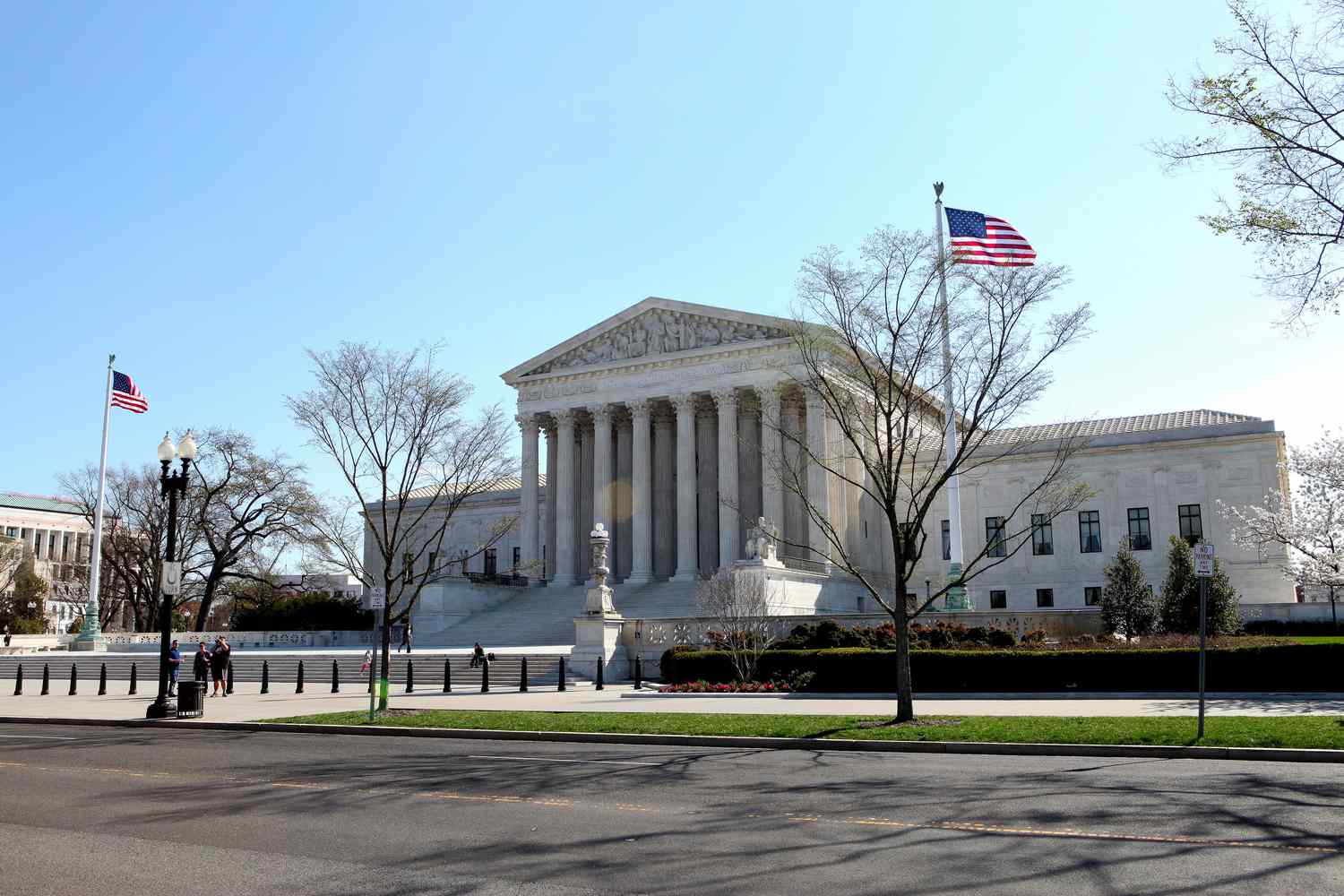
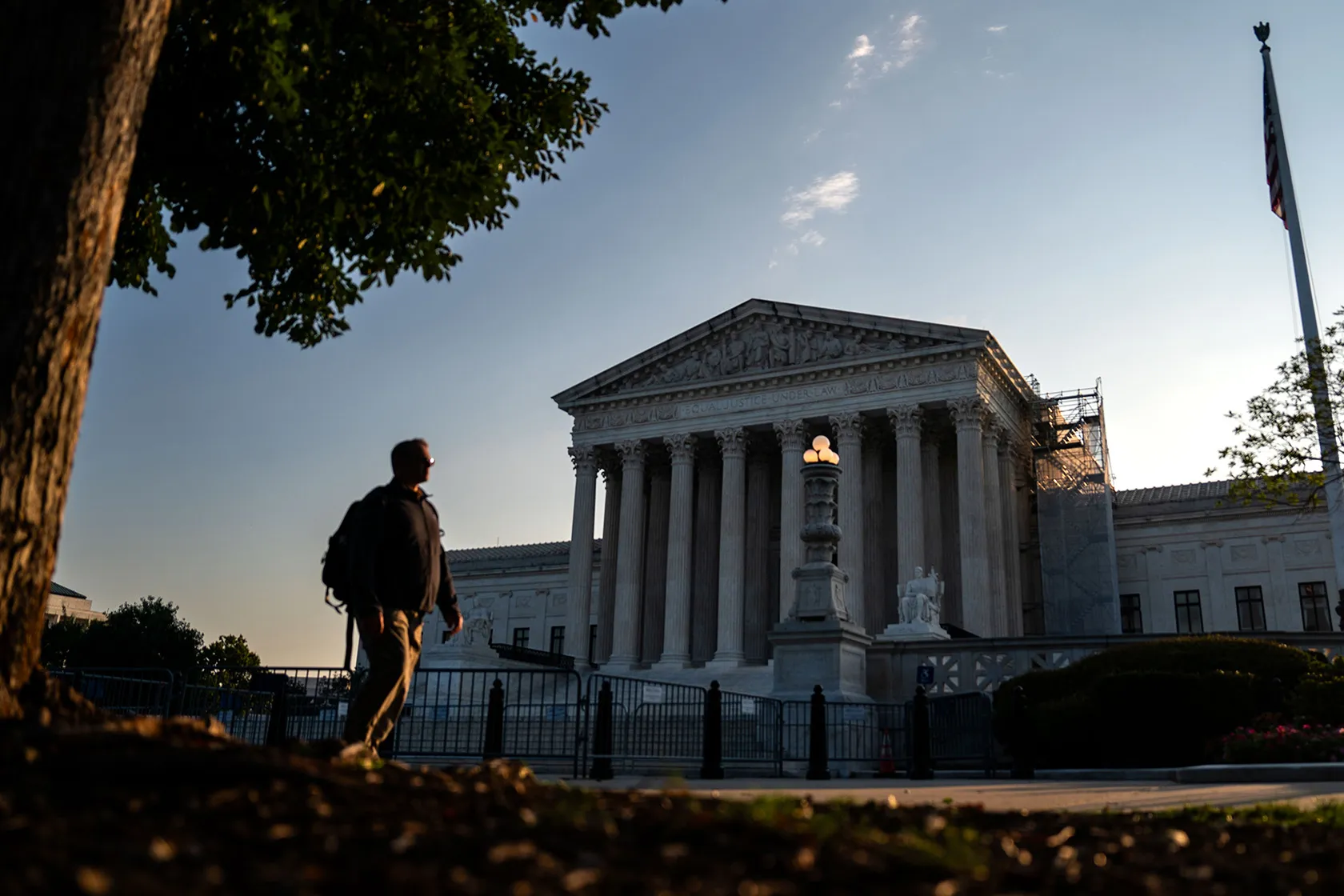
The Supreme Court declined Monday to hear Ghislaine Maxwell’s appeal of her sex trafficking conviction, ending her primary legal avenue for overturning the 20-year sentence she’s serving for recruiting and grooming underage girls for Jeffrey Epstein’s abuse. The Court’s order list revealed it would not take up her case this term, leaving in place the Second Circuit’s denial of her arguments.

Maxwell’s central claim was that a 2007 plea deal Epstein reached with federal prosecutors in Florida immunized her from prosecution because it included language protecting “any potential co-conspirators of Epstein.” The Second Circuit rejected that interpretation, and the Supreme Court’s refusal to review means that rejection stands.

But Maxwell’s attorney insists the legal fight continues, even as she serves her sentence in a Texas minimum-security facility she was transferred to after meeting with DOJ officials about what she knows regarding Epstein’s network.

The Plea Deal Language That Maxwell Claimed Protected Her

Epstein’s 2007 Florida plea agreement included a clause stating “the United States also agrees that it will not institute any criminal charges against any potential co-conspirators of Epstein.” That language became central to Maxwell’s defense strategy – she argued it provided blanket immunity from federal prosecution regardless of jurisdiction.

The legal question was whether “the United States” in that clause referred to the specific U.S. Attorney’s office in Florida that negotiated the deal, or to all federal prosecutors nationwide. Maxwell’s lawyers argued the latter interpretation, claiming the agreement protected her from the New York prosecution that resulted in her conviction.

Ghislaine Maxwell walking with umbrella prison facility

The Second Circuit Court of Appeals disagreed, finding that the context of the agreement made clear it bound only the Florida prosecutors who negotiated it, not federal authorities in other districts. That circuit split interpretation was what Maxwell hoped the Supreme Court would resolve in her favor.

The Court’s denial means the narrower interpretation prevails – non-prosecution agreements negotiated by one U.S. Attorney’s office don’t automatically bind federal prosecutors in other jurisdictions unless explicitly stated. That’s significant beyond Maxwell’s case because it affects how plea deals with co-conspirator protections are interpreted nationwide.

Maxwell was convicted by a New York jury in 2021 of five counts involving sex trafficking of a minor and conspiracy. The evidence showed she recruited, groomed, and facilitated Epstein’s sexual abuse of underage girls over multiple years. Her conviction was based on victim testimony, corroborating evidence, and her documented relationship with Epstein during the period when abuse occurred.

Why the Supreme Court Likely Had No Interest in This Case

The Supreme Court takes cases to resolve important legal questions where lower courts have issued conflicting rulings, or where constitutional principles need clarification. Maxwell’s appeal presented a narrow question about plea deal interpretation that the Second Circuit had already addressed comprehensively.

While the National Association of Criminal Defense Lawyers filed an amicus brief urging the Court to grant review and clarify how such agreements should be interpreted, the justices apparently saw no compelling reason to intervene. The Second Circuit’s analysis was thorough and legally sound – the plea agreement’s context clearly indicated it bound only Florida prosecutors.

Supreme Court justices official group portrait

Additionally, as noted when Maxwell’s petition was first filed, the political backdrop surrounding Epstein may have made the Court reluctant to wade into this case even if there were legitimate legal questions worth reviewing. The justices likely prefer to avoid cases where any ruling would generate conspiracy theories and political controversy unrelated to the actual legal issues.

Maxwell’s other arguments – including statutes of limitations defenses – were similarly unpersuasive. The crimes she was convicted of occurred within periods covered by applicable statutes, and her attempts to challenge the timing failed at every level of review.

The denial means Maxwell exhausted her direct appeal options. But her attorney’s statement that “serious legal and factual issues remain” suggests they’re exploring post-conviction relief mechanisms that don’t require Supreme Court review.

The DOJ Deputy Attorney General Who Interviewed Her in Prison

Days after meeting with DOJ Deputy Attorney General Todd Blanche, Maxwell was transferred from a federal prison in Tallahassee, Florida to an all-women minimum-security facility in Bryan, Texas. Blanche – a former Trump personal lawyer – interviewed Maxwell as part of the department’s efforts to extract more information about Epstein from sources that hadn’t been fully tapped.

The DOJ has denied extending Maxwell any preferential treatment, but the timing of her transfer immediately after meeting with the department’s second-highest official raised questions about whether cooperation is being incentivized through improved prison conditions.

Jeffrey Epstein and Ghislaine Maxwell photograph

Maxwell has information that would be valuable to prosecutors if Epstein’s network included other individuals who facilitated abuse or participated in it. Her decades-long relationship with Epstein and her role managing his properties and social connections means she knows details about who visited, when, and what activities occurred.

Whether she’s providing that information to DOJ officials, and whether any cooperation might factor into future clemency considerations, remains unclear. But the unusual nature of a Deputy Attorney General personally interviewing a convicted sex trafficker suggests the department views her knowledge as potentially significant.

The Trump administration has faced internal pressure from MAGA supporters who promoted theories before taking office that the government was hiding information about sexual predators connected to Epstein. Those supporters expected Trump’s DOJ to release comprehensive documentation exposing Epstein’s network.

The President’s Non-Answer About Pardoning Maxwell

When asked in July about potentially pardoning Maxwell, Trump said “I’m allowed to do it, but it’s something I have not thought about.” That non-denial leaves the possibility open while avoiding commitment.

Maxwell’s legal team has expressed hope for presidential clemency, though her attorney said over the summer that she hasn’t asked Trump for a pardon but would welcome any relief. That careful phrasing suggests backdoor communications may be occurring while maintaining public deniability.

Donald Trump speaking at press conference

Trump’s relationship with Epstein has been extensively documented – they socialized in the same circles for years before Trump later distanced himself. Whether that history makes Trump more or less likely to consider clemency for Maxwell is unclear, but it adds political complexity to any pardon consideration.

The Supreme Court’s denial makes clemency Maxwell’s most realistic path to freedom before completing her 20-year sentence. Federal prisoners typically serve at least 85% of their sentences, meaning Maxwell faces roughly 17 years in custody without intervention.

Presidential pardons don’t require legal justification – presidents can grant clemency for any reason or no stated reason. Trump could pardon Maxwell tomorrow if he chose to, regardless of the Supreme Court’s denial of her appeal. The question is whether political calculations make that decision viable.

Why MAGA Supporters Are Angry About Epstein Files

Trump campaigned partly on promises to expose corruption and hidden information about powerful elites, including material related to Epstein’s network. MAGA supporters interpreted that messaging as commitment to releasing comprehensive documentation about everyone connected to Epstein’s abuse operation.

When Trump took office and those files weren’t immediately released, frustration grew among supporters who expected transparency. The DOJ has attempted to release additional information but faced constraints from ongoing investigations, privacy concerns for victims, and legal limitations on what can be disclosed.

sealed court documents Epstein case

Trump has since characterized the Epstein files as less important than supporters believed, angering a faction of his base that views exposure of elite sexual predators as critical to his anti-establishment agenda. That tension creates political pressure against any action – like pardoning Maxwell – that would appear to protect Epstein’s network rather than expose it.

The irony is that Maxwell possesses exactly the kind of information MAGA supporters claim they want revealed. If she cooperated fully with authorities and provided detailed accounts of everyone involved in Epstein’s operation, it would potentially satisfy demands for transparency.

But extracting that information likely requires incentives – like reduced sentences or improved prison conditions – that would anger the same supporters demanding exposure. Maxwell won’t provide information that destroys her only leverage for better treatment, and DOJ can’t offer deals that appear to reward her crimes.

That stalemate leaves everyone frustrated: supporters angry about lack of disclosure, victims angry about potential deals with a convicted sex trafficker, and Maxwell serving 20 years with no clear path to relief.

What Her Attorney Means by “This Fight Isn’t Over”

Maxwell’s lawyer David Markus said “serious legal and factual issues remain” and they’ll “continue to pursue every avenue available to ensure that justice is done.” That language suggests post-conviction relief strategies that don’t depend on Supreme Court review of the conviction itself.

Possibilities include habeas corpus petitions challenging trial procedures or constitutional violations, motions for new trial based on newly discovered evidence, or appeals related to sentencing rather than conviction. These mechanisms allow defendants to continue challenging convictions even after direct appeals are exhausted.

federal prison facility exterior Texas

Markus may also be positioning for clemency advocacy by maintaining that Maxwell’s conviction involved legal irregularities justifying presidential intervention. Framing continued legal challenges as pursuing justice rather than merely seeking reduced punishment helps build clemency narratives.

But realistically, Maxwell’s conviction was based on substantial evidence presented to a jury that found her guilty on five counts. The legal issues she’s raised have been rejected at every level of review. Her best hope for avoiding most of her 20-year sentence is presidential clemency or cooperation agreements with prosecutors that result in sentence reduction.

The Supreme Court’s denial removes one avenue but doesn’t eliminate all possibilities. It just means Maxwell can’t overturn her conviction through normal appellate processes and must pursue alternative legal strategies or political solutions.

The Network That Maxwell Could Expose If She Chose

Maxwell managed Epstein’s properties, coordinated his social calendar, and facilitated his abuse operation for years. She knows who visited, who participated, and who enabled Epstein’s crimes through willful blindness or active assistance.

That information would be enormously valuable to prosecutors if other individuals in Epstein’s network committed crimes that can still be prosecuted. It would also satisfy public demands for accountability beyond Epstein and Maxwell themselves.

Epstein properties multiple locations

But Maxwell providing that information requires deals she may view as inadequate. Why give up leverage that could result in sentence reduction or better conditions in exchange for cooperation agreements that prosecutors might not honor or that don’t provide sufficient benefit?

The calculus becomes: serve 20 years while maintaining silence about others involved, or cooperate with authorities and potentially serve less time while becoming a witness who exposes powerful people – some of whom might have resources to retaliate.

Maxwell has apparently chosen maintaining leverage over providing comprehensive cooperation. Her meeting with Todd Blanche suggests she’s willing to discuss what she knows, but on terms that benefit her situation rather than on prosecutors’ preferred timeline and conditions.

That strategy may succeed in securing gradual improvements to her confinement conditions and potentially positioning for eventual clemency. Or it may result in serving her full sentence while the information she possesses remains undisclosed.

Beyond One Conviction

The Supreme Court’s denial resolves an important legal question about non-prosecution agreements – they bind only the specific prosecutors who negotiated them unless explicitly stated otherwise. That interpretation protects prosecutorial discretion across jurisdictions while preventing defendants from exploiting vague language to claim immunity they never actually received.

It also demonstrates that even defendants with resources for extensive legal challenges and appeals cannot overturn convictions when evidence is substantial and legal arguments lack merit. Maxwell exhausted every available appellate avenue and lost at each level because her defenses were unpersuasive.

criminal courtroom interior federal court

For Epstein’s victims, the denial means Maxwell’s conviction remains final and she continues serving the 20-year sentence imposed for crimes that devastated multiple lives. That may provide some measure of justice, though victims have consistently expressed frustration that more individuals haven’t been held accountable.

The case also exposes tensions between demands for transparency about elite sexual predators and practical realities of prosecuting criminal networks where key witnesses are themselves convicted criminals whose cooperation requires uncomfortable negotiations.

Ghislaine Maxwell will serve her sentence unless Trump grants clemency or prosecutors offer cooperation agreements that provide sufficient benefit to overcome her resistance. The Supreme Court has closed the door on her conviction being overturned through appeals.

Her lawyer says the fight isn’t over. But the legal avenues for continuing that fight have narrowed considerably, leaving political solutions and post-conviction mechanisms as her remaining options. Whether any of those strategies succeed will determine if she serves most of her 20-year sentence or finds paths to earlier release.

The information she possesses about Epstein’s network remains undisclosed. And the Supreme Court’s denial means she’ll make decisions about cooperation from inside a Texas prison facility rather than as a free woman who successfully overturned her conviction.