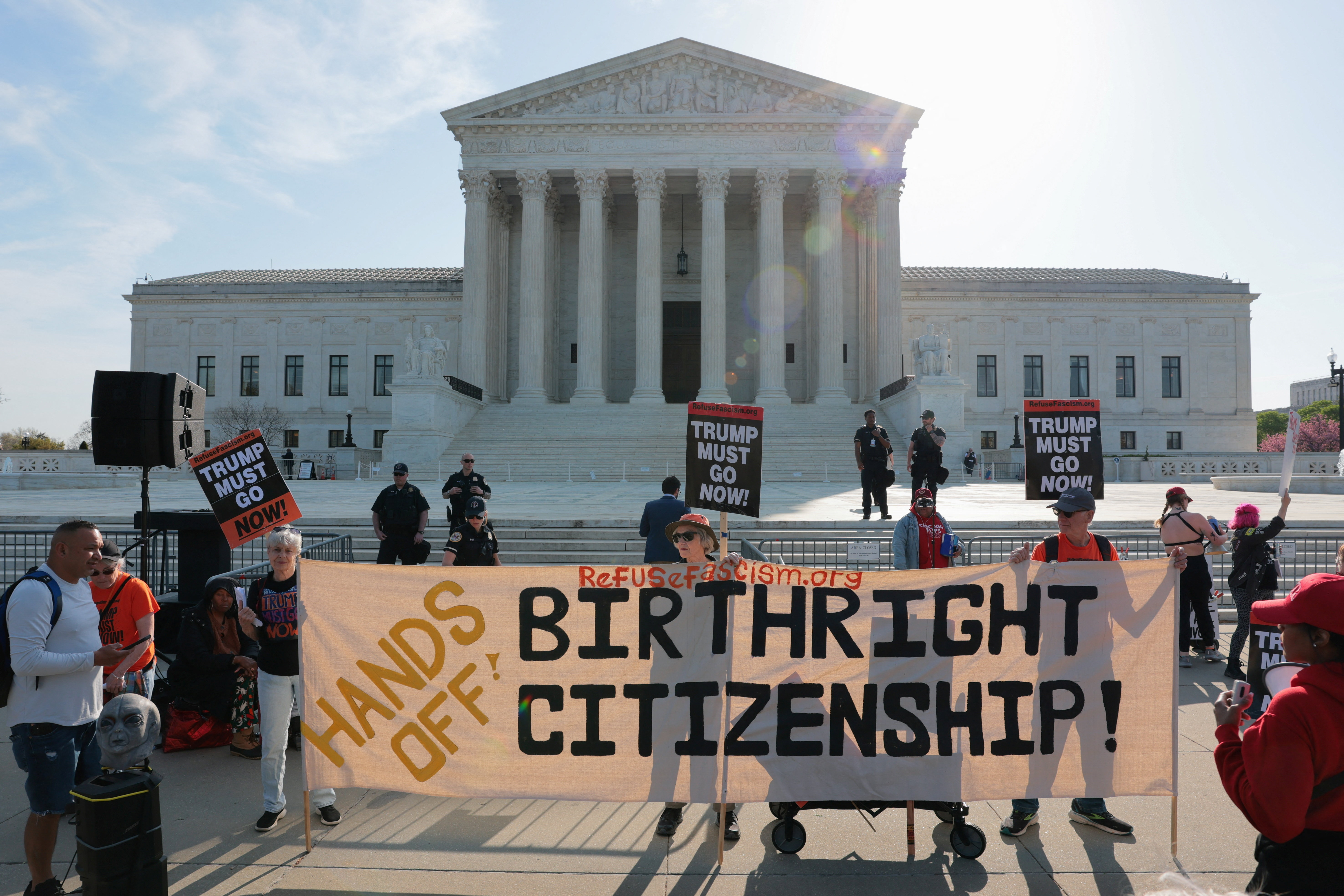
Supreme Court Hands Trump 21 Wins on Emergency Docket – But None of Them Are Final Decisions

President Trump has won roughly 21 emergency rulings from the Supreme Court since taking office in January, allowing his administration to implement controversial policies while legal challenges work through the courts. The White House is celebrating an almost flawless record on what’s known as the shadow docket – the Supreme Court’s expedited process for temporarily pausing lower court rulings.

But every single one of those wins is temporary. The Supreme Court term beginning Monday will force the justices to examine the actual merits of Trump’s policies rather than just whether lower courts moved too aggressively in blocking them. And legal experts warn that emergency docket success doesn’t predict final outcomes.

The difference between winning for now and winning permanently is everything.

What the Emergency Docket Actually Does

The Supreme Court’s emergency docket – sometimes called the shadow docket – allows parties to request fast intervention when lower courts issue rulings they want temporarily paused. The process can take days, weeks, or months, which is dramatically faster than full Supreme Court review involving briefing schedules, oral arguments, and detailed written opinions.

Emergency rulings answer narrow questions: Should this lower court order stay in effect while appeals proceed, or should it be paused to prevent irreparable harm? The Court isn’t deciding whether policies are legal – it’s deciding whether they can continue while legality gets determined through normal litigation.

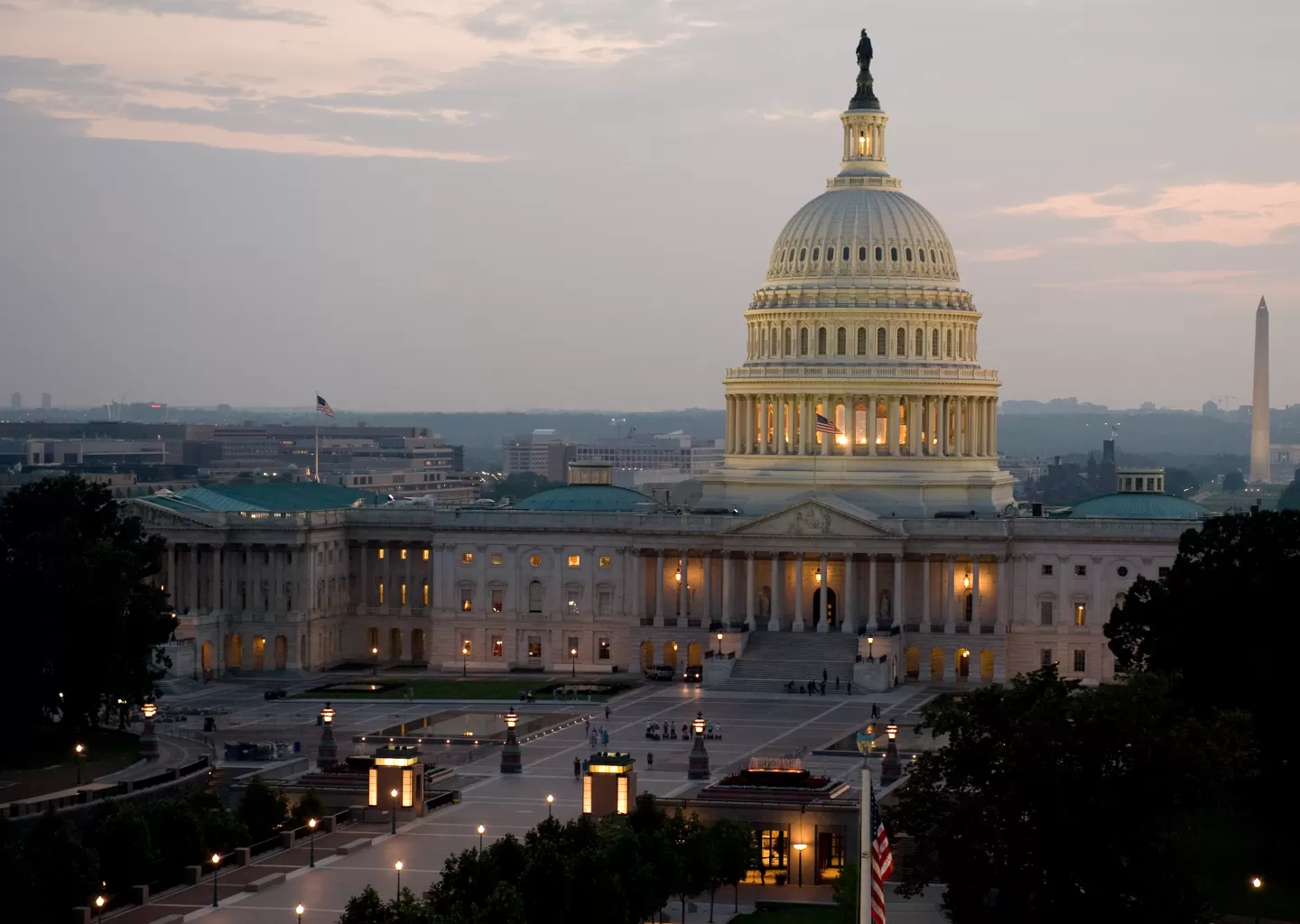
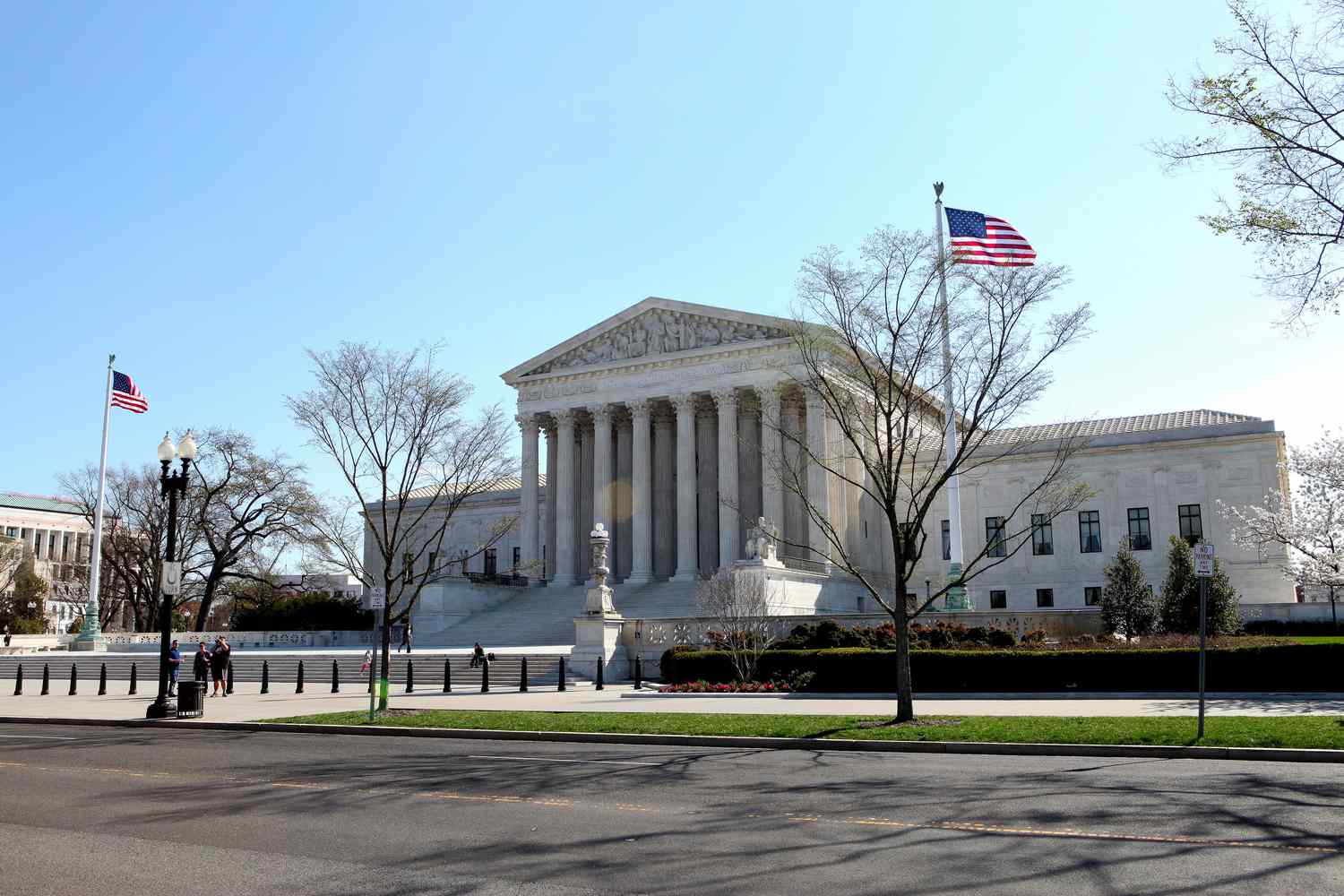
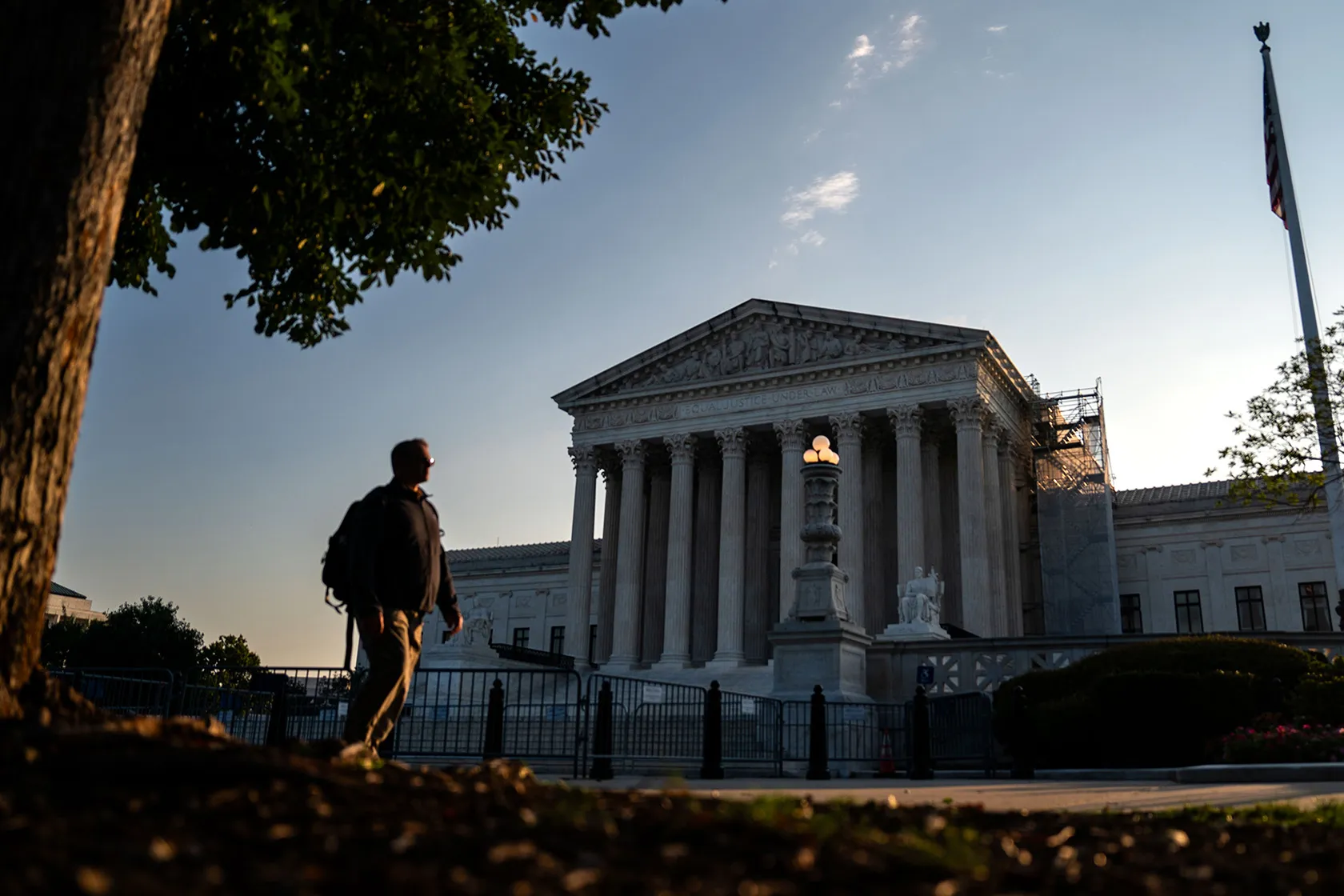
Supreme Court building exterior Washington DC

That distinction matters enormously. When the Supreme Court allowed Trump to fire FTC Commissioner Rebecca Slaughter, it didn’t rule that the firing was legal. It ruled that Slaughter could remain fired while the Court considers whether the firing was legal – a case now being used to potentially overturn 90 years of precedent from Humphrey’s Executor v. United States.

When the Court allowed mass firings of career federal employees, transgender service member discharges, and withholding billions in foreign aid, it wasn’t endorsing those actions as constitutional. It was declining to stop them immediately while determining whether they’re constitutional.

Trump gets to implement his agenda now. Whether that agenda survives legal scrutiny comes later.

Why Trump Keeps Winning Emergency Relief

Jonathan Adler, a William & Mary Law School professor, attributed Trump’s emergency docket success to the Supreme Court’s desire to narrow the judicial branch’s role in policymaking rather than endorsement of specific Trump policies.

“Lower courts are doing too much. We’re going to scale that back because it’s not our place, and it’s for the executive branch and the legislative branch to figure that out,” Adler said during a Federalist Society panel this week.

Chief Justice John Roberts greeting President Trump

The Court’s conservative majority has been skeptical of nationwide injunctions – court orders that block policies across the entire country based on one judge’s ruling. That skepticism benefits Trump because his policies routinely face challenges in multiple jurisdictions, and lower court judges in Democratic-leaning circuits have issued broad injunctions blocking implementation.

The Supreme Court’s emergency rulings often reverse those nationwide injunctions, allowing policies to continue in most places while legal challenges proceed. That’s less about whether the Court agrees with Trump’s policies and more about institutional views on judicial power and deference to executive authority.

Conservative lawyer Carrie Severino explained the Court’s analysis using the Slaughter case: “If Trump’s right, then this is a serious burden on the government to have a good chunk of their four years being taken up with not being able to actually staff the government as they want to. If Trump’s wrong, then Commissioner Slaughter should have been in that position, and they can remedy that by providing her back pay.”

The Court weighs irreparable harm when deciding emergency applications. Financial harm that can be remedied with back pay weighs less than limiting a president’s ability to staff his administration. That framework systematically advantages the government in emergency applications.

The Strategic Selection of Cases Worth Fighting

The Trump administration has only challenged about one-fifth of adverse lower court rulings it’s received. Solicitor General John Sauer is strategically selecting which cases to bring to the Supreme Court rather than appealing every loss.

“If you go through them, setting Humphrey’s Executor stuff slightly to the side, what they all have in common is that there’s a kind of clear argument that district courts were a little too aggressive here,” Adler observed.

Department of Justice building exterior

That selectivity matters because it means Trump’s emergency docket record reflects cases where the administration believed it had strong arguments that lower courts overreached – not a comprehensive assessment of whether all Trump policies are legally sound.

The cases the administration didn’t appeal may be ones where legal vulnerabilities are more significant or where emergency relief seemed unlikely. Cherry-picking the strongest cases for Supreme Court review creates an artificially impressive win record that doesn’t reflect the overall legal strength of Trump’s agenda.

Attorney Kannon Shanmugam, who has argued dozens of Supreme Court cases, noted that the emergency docket’s extraordinary activity this year “coincides with the rise of executive orders and other forms of unilateral executive action really as the primary form of lawmaking in our country with the disappearance of Congress.”

Trump governs through executive orders rather than legislation, which generates immediate legal challenges that reach the Supreme Court faster than traditional legislative processes would. The emergency docket activity reflects Trump’s governing style as much as judicial philosophy about lower court overreach.

The Wins That Aren’t Actually Clear Wins

In some emergency rulings, both sides have construed Supreme Court outcomes as victories, which suggests the rulings were more nuanced than the White House’s win count implies.

The Court said the Trump administration must attempt to return Salvadoran migrant Kilmar Abrego Garcia, whom the government admitted to improperly deporting to a Salvadoran prison. But the ruling also noted that district courts must be deferential to executive branch authority over foreign policy.

Kilmar Abrego Garcia with wife speaking to supporters

Trump can claim victory because the Court emphasized judicial deference to executive foreign policy authority. Immigration advocates can claim victory because the Court required the government to attempt returning someone it wrongfully deported.

Similarly, the Court said deportees under the Alien Enemies Act must get a reasonable chance to fight removal through habeas corpus petitions. That’s a win for due process advocates who argued Trump’s Alien Enemies Act invocations denied people basic legal protections. But the Court hasn’t ruled on whether Trump can lawfully use the Alien Enemies Act for mass deportations – it just said people being deported that way deserve habeas access.

These mixed outcomes don’t appear in the White House’s “21 victories” count, but they represent situations where the Supreme Court imposed meaningful constraints on Trump’s authority even while declining to block policies entirely through emergency relief.

The Federal Reserve Exception That Signals Limits

On Wednesday, the Supreme Court declined to allow Trump to fire Federal Reserve Governor Lisa Cook and instead said it would hear her case in January. That decision represented “a deviation from the court’s typical posture and underscored its unique view on the Federal Reserve compared with other agencies,” according to the reporting.

The Court has already allowed Trump to fire other Biden appointees to independent agencies as part of his campaign to assert unitary executive authority. But the Federal Reserve gets different treatment because of its quasi-private structure and critical role in monetary policy.

Federal Reserve building exterior Washington

This exception reveals that the Court’s emergency docket deference to Trump has limits. When institutional independence is sufficiently important – as with the Federal Reserve’s control over monetary policy – the Court will pause Trump’s actions even on the emergency docket while it examines whether those actions are constitutional.

The Lisa Cook case signals that Trump’s emergency docket success rate may decline as cases reach issues where judicial scrutiny intensifies. The easy wins involved lower courts that clearly overreached. The harder cases involve fundamental questions about presidential power versus institutional independence.

What Happens When the Real Decisions Start Coming

The Supreme Court term beginning Monday will transform many of these temporary emergency wins into permanent decisions – or reverse them entirely. Cases that the Court allowed to proceed for now will face full merit review with extensive briefing, oral arguments, and detailed written opinions explaining the constitutional reasoning.

Attorney Benjamin Mizer, who served as a top DOJ official during the Biden administration, cautioned during the Federalist Society panel: “As cases reach the court on the merits, we shouldn’t presume that the administration will win them all.”

Supreme Court justices seated for official portrait

The emergency docket asks whether lower courts moved too fast or too aggressively. The merits docket asks whether policies are actually legal. Those are fundamentally different questions with potentially different answers.

Trump’s mass firing authority, Humphrey’s Executor challenges, Alien Enemies Act deportations, transgender service member discharges, and funding withholdings will all face comprehensive legal examination beyond emergency relief analysis. The Court may conclude that while lower courts shouldn’t have blocked these policies immediately, the policies themselves violate constitutional constraints on presidential power.

Or the Court may affirm its emergency decisions and permanently validate Trump’s expanded conception of executive authority. But assuming emergency wins predict merit outcomes is exactly the mistake both supporters and critics make when interpreting shadow docket patterns.

The Nationwide Injunction Battle That Transcends Trump

The Supreme Court’s skepticism toward nationwide injunctions extends beyond Trump-era disputes. The conservative majority has consistently signaled concern about single district judges issuing orders that block policies across the entire country rather than just within their jurisdictions.

That institutional position means Trump benefits from broader judicial philosophy questions about the proper scope of district court authority. When lower courts issue nationwide injunctions blocking Trump policies, the Supreme Court often narrows those injunctions to specific plaintiffs or jurisdictions rather than allowing nationwide blocks.

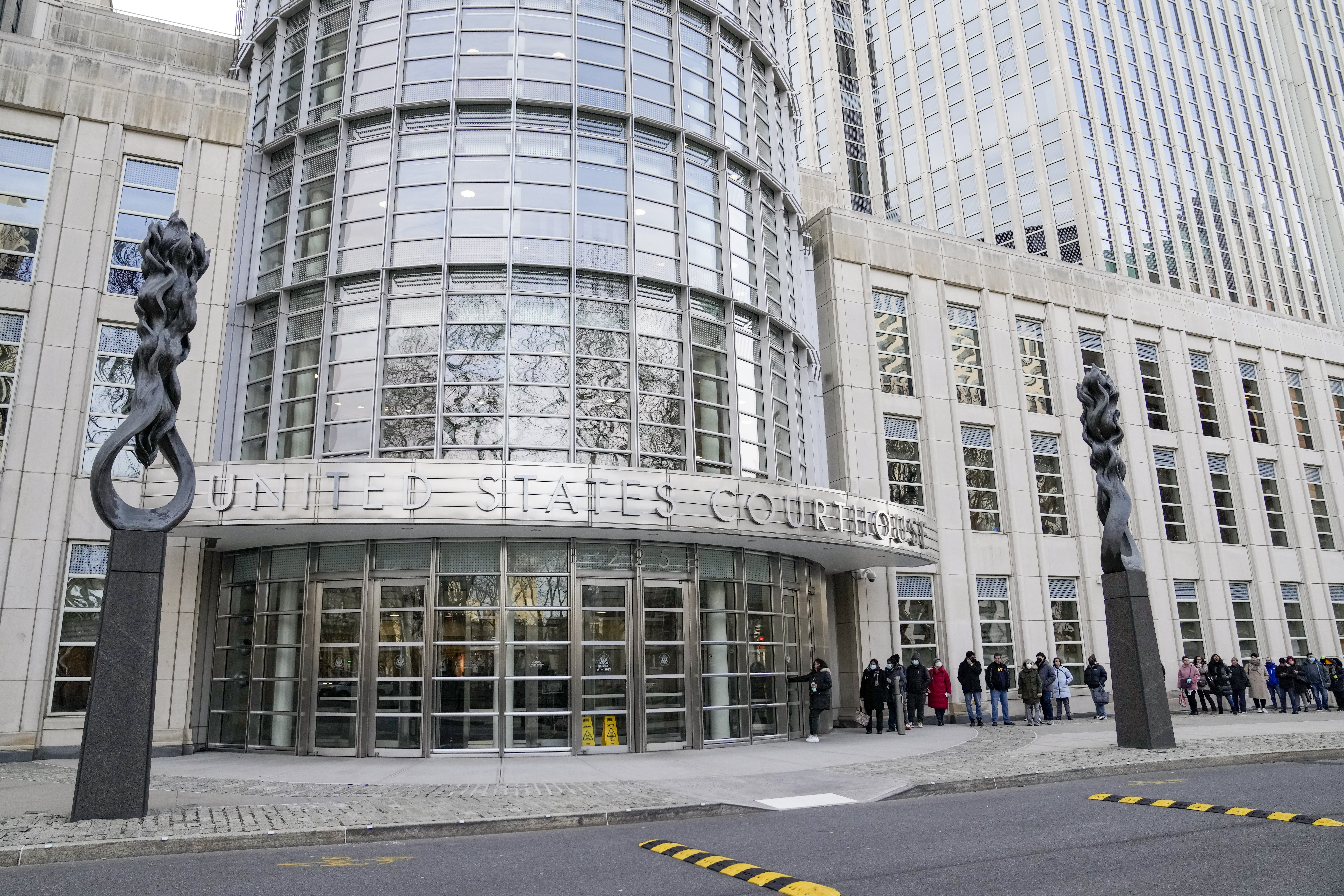
federal district courthouse

This pattern will continue regardless of who occupies the White House. Future Democratic presidents will face similar Supreme Court skepticism when Republican-appointed judges in conservative circuits issue nationwide injunctions blocking progressive policies.

The nationwide injunction debate is about judicial power and forum shopping – whether parties can find friendly judges to block entire national policies through carefully selected jurisdictions. The Supreme Court’s majority believes that power has been abused and needs constraining.

Trump happens to benefit from that position right now because Democratic plaintiffs frequently seek nationwide injunctions blocking his policies. But the institutional principle extends beyond partisan advantage to questions about how much power individual judges should wield over national policy.

Why the Emergency Docket Became So Active

Trump’s high volume of executive orders partly explains the emergency docket’s extraordinary activity this year. But the underlying cause is congressional dysfunction that has made unilateral executive action “the primary form of lawmaking in our country,” as attorney Shanmugam noted.

Congress can’t pass comprehensive legislation addressing immigration, healthcare, climate change, or other major policy areas. So presidents govern through executive orders, which generate immediate legal challenges that reach courts faster than legislative processes.

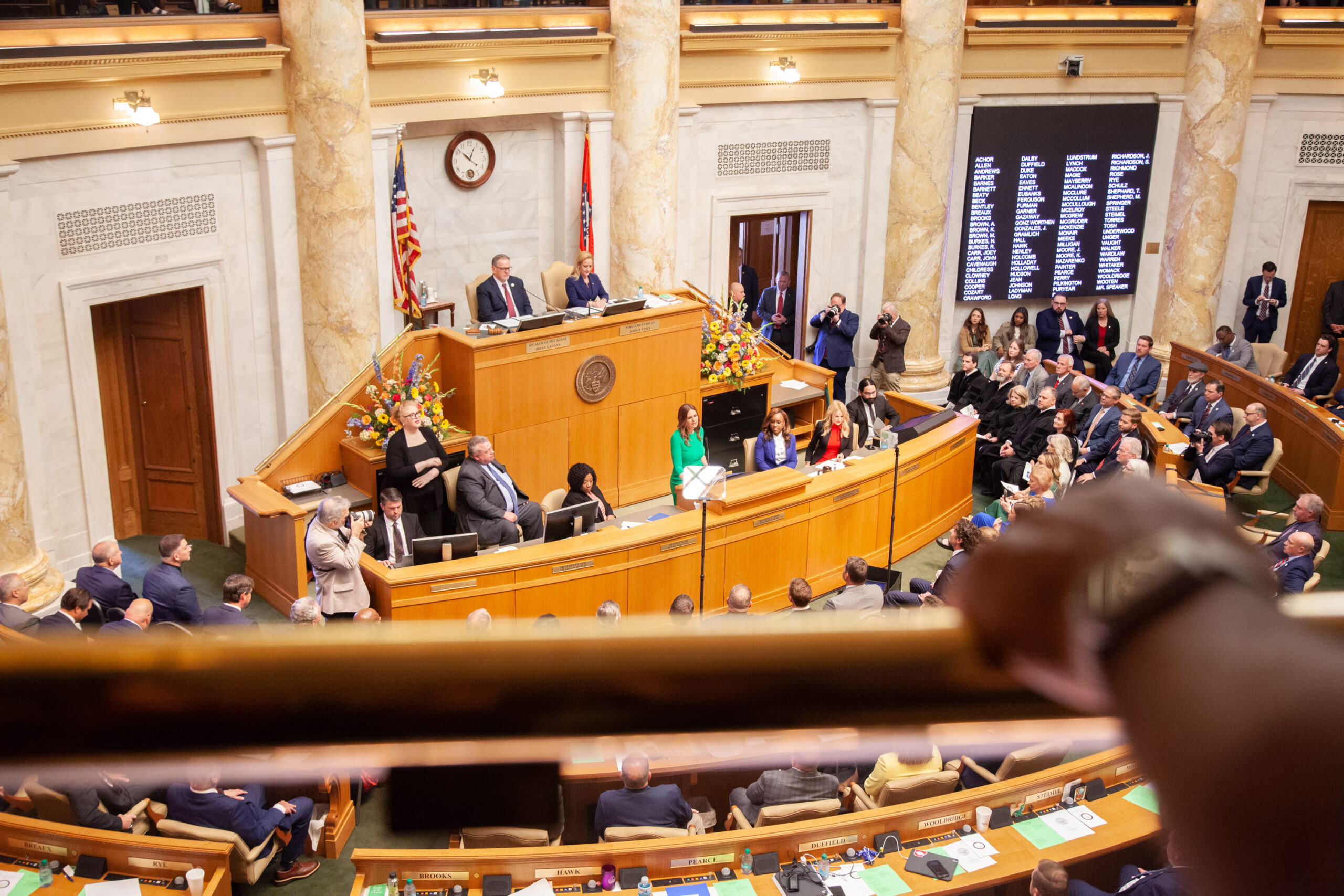
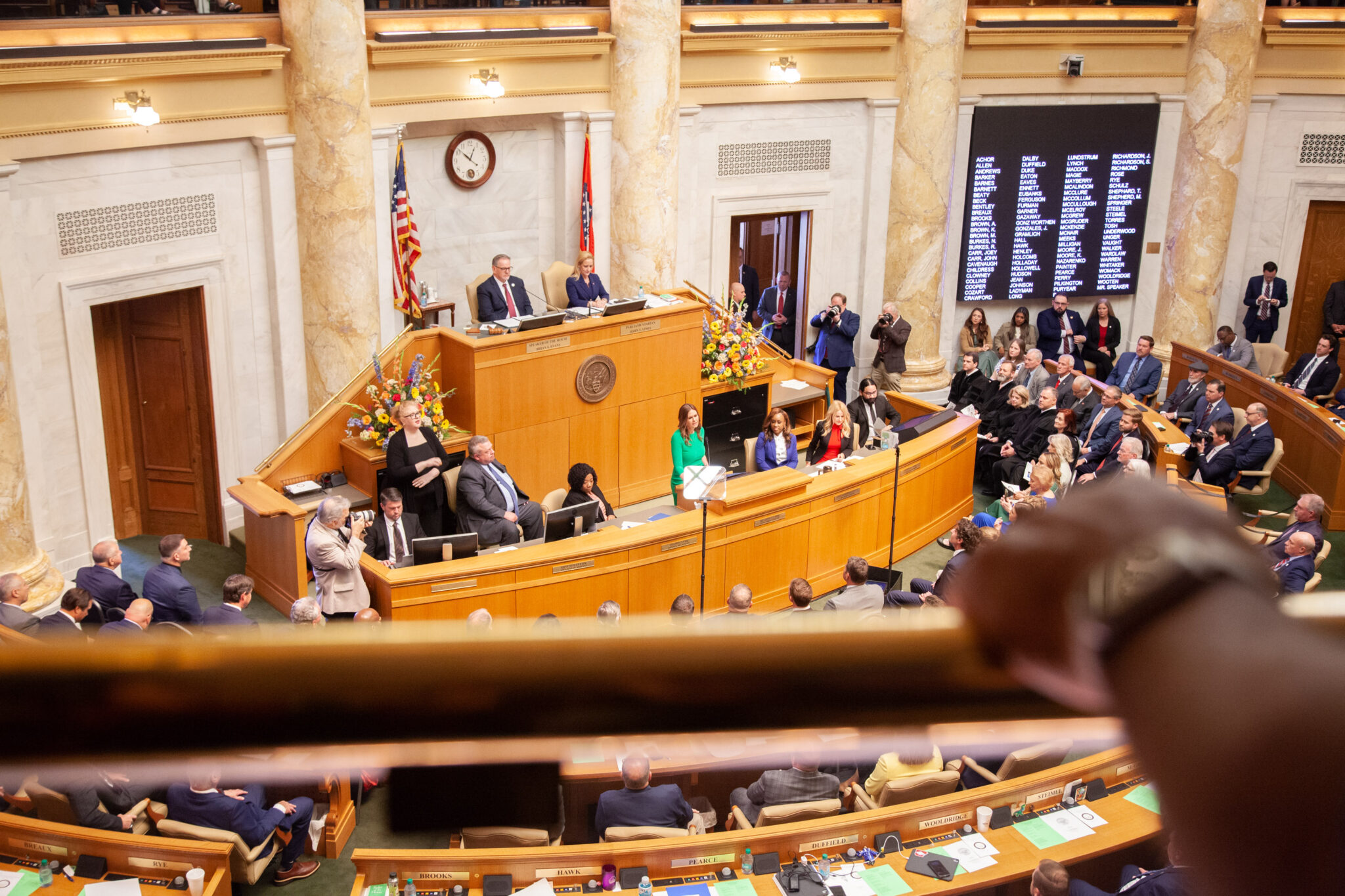
empty congressional chamber

That pattern accelerated under Obama, continued under Trump’s first term, persisted under Biden, and has intensified during Trump’s second term. Presidents are essentially legislating through executive action because Congress won’t or can’t legislate through normal channels.

The Supreme Court finds itself mediating these disputes on accelerated timelines through the emergency docket because lower courts must quickly determine whether executive orders exceed presidential authority. The institutional design assumes Congress makes law and presidents execute it – but when that design breaks down, courts become the primary check on executive overreach.

The emergency docket activity reflects governmental dysfunction as much as any single president’s agenda or judicial philosophy about executive power.

The Final Tests That Will Define Trump’s Legal Legacy

The Supreme Court term beginning Monday will determine whether Trump’s emergency wins become permanent validation of expanded presidential authority or temporary allowances that ultimately get reversed on the merits.

Key cases include whether Trump can fire independent agency commissioners at will, whether the Alien Enemies Act authorizes mass deportations based on gang affiliation, whether transgender service member discharges violate equal protection, and whether presidents can withhold congressionally appropriated foreign aid based on policy disagreements.

Supreme Court term calendar October

These aren’t minor administrative disputes. They’re fundamental questions about separation of powers, presidential authority limits, and whether checks on executive power remain meaningful when presidents test constitutional boundaries.

Trump’s 21 emergency docket wins allowed him to implement his agenda while those questions get resolved. But the real decisions are just beginning. And as attorney Mizer warned, presuming the administration will win them all ignores that emergency relief analysis differs dramatically from merits analysis.

The Supreme Court said Trump’s policies can continue for now. Whether they can continue permanently depends on answers to constitutional questions the justices haven’t yet addressed in detailed, binding opinions.

Trump is celebrating temporary wins as though they’re final victories. The actual victories – or defeats – get decided starting Monday when the Supreme Court stops asking whether lower courts moved too fast and starts asking whether Trump’s policies are actually legal.

The emergency docket gave Trump time to implement his agenda. The merits docket will determine whether that agenda can survive constitutional scrutiny. Those are very different things, no matter how enthusiastically the White House counts its shadow docket wins.