
The U.S. Constitution
Archival records, profiles, and educational resources since 1995.
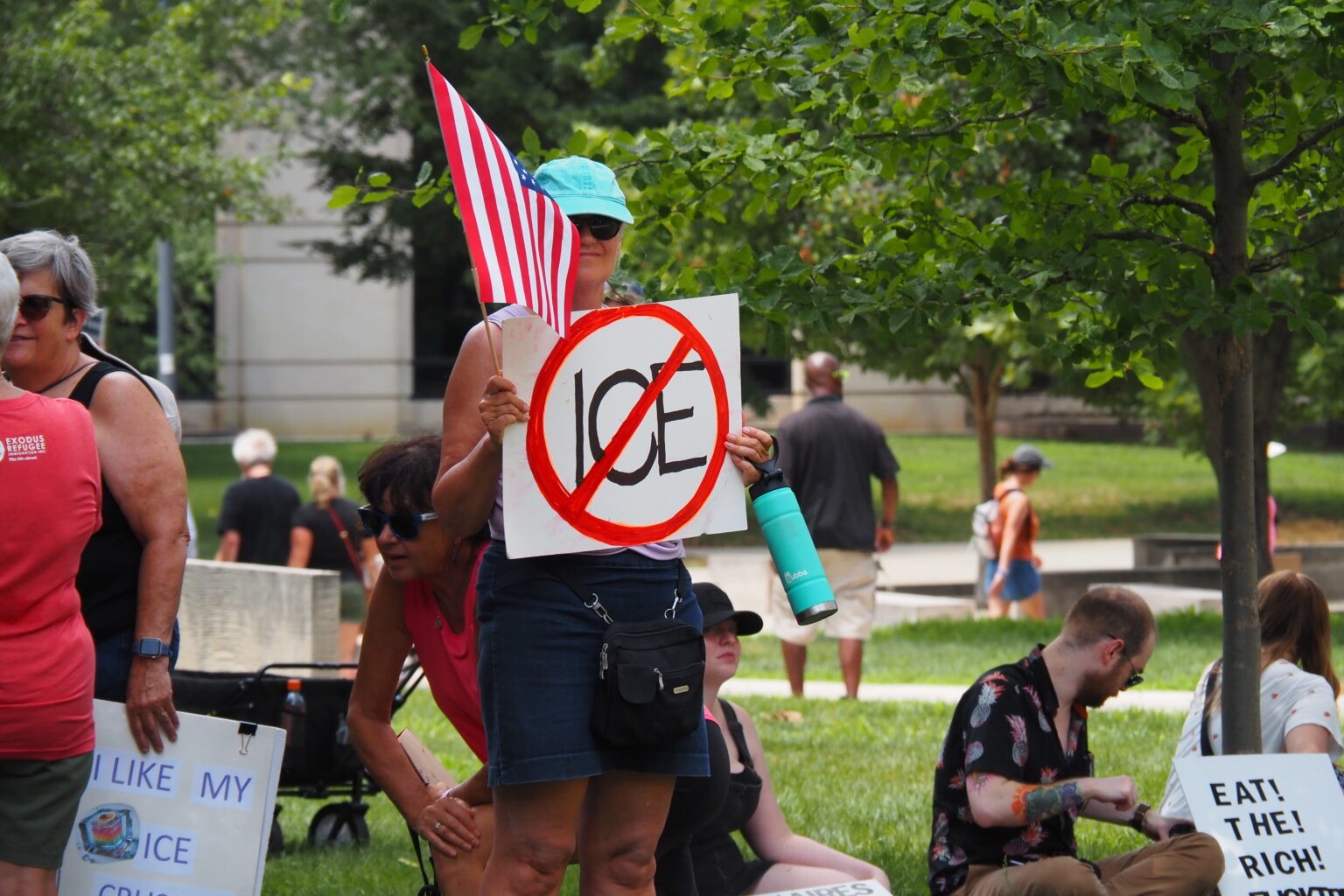
Judge: DOJ and DHS Likely Coerced Platforms To Remove ICE-Tracking Speech
A federal judge has signaled that federal officials may have crossed a constitutional line when they urged major tech companies to remove online tools used to share information about immigration enforcement activity. In a preliminary ruling, U.S. District Judge Jorge L. Alonso found that the...
Read more →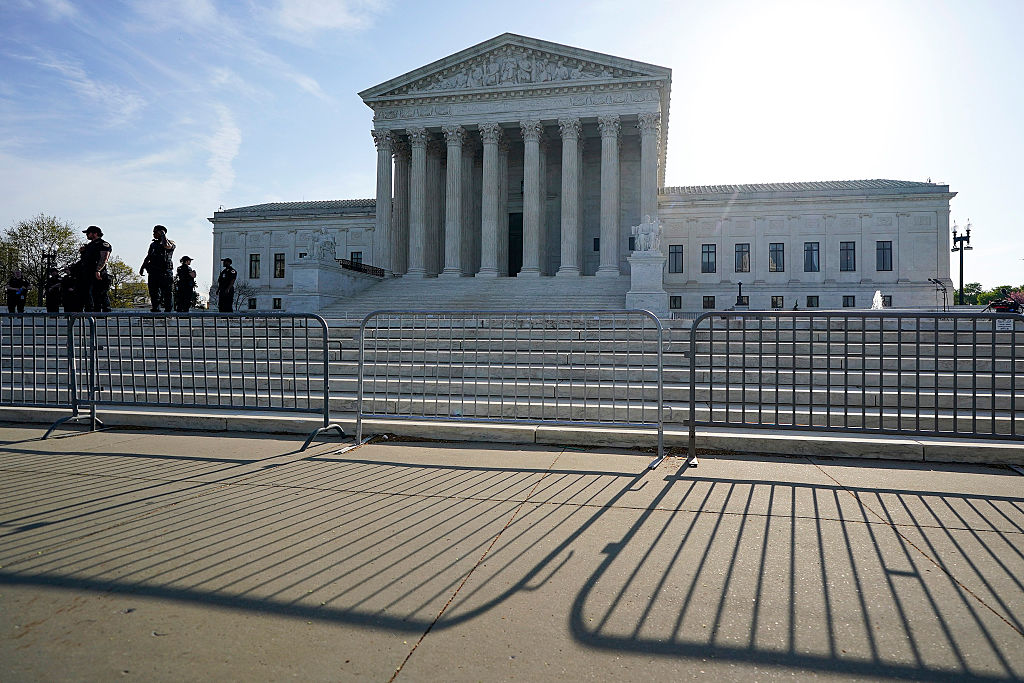
New Jersey’s Nonprofit Squeeze Reaches the Supreme Court
There are two ways to silence a civic group. You can ban what it says. That is the blunt instrument. Courts recognize it on sight. Or you can bury it in paperwork, deadlines, disclosures, and penalties until the easiest path is to stop speaking at all. That version looks like “regulation.” It...
Read more →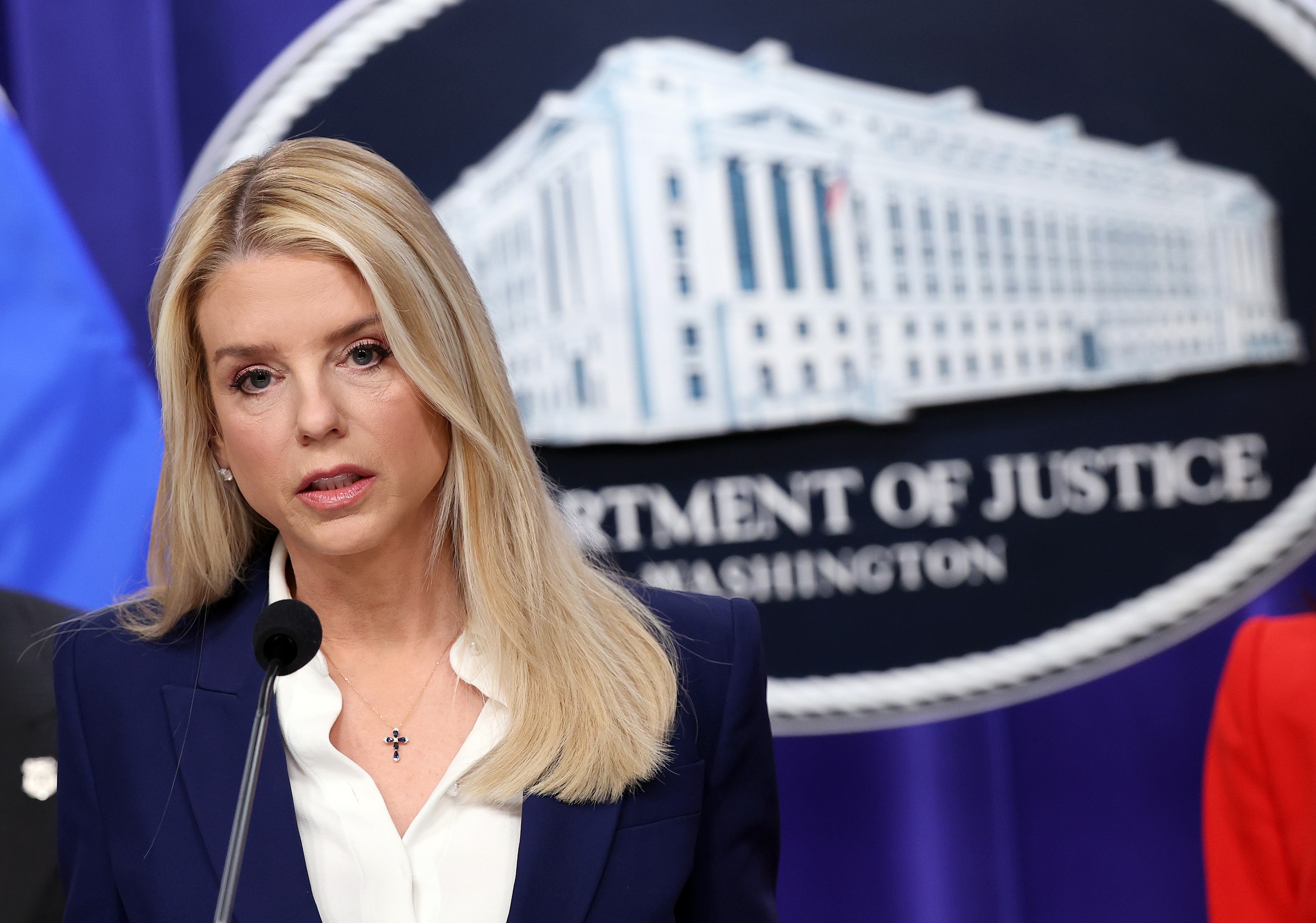
When the Government Asks Apple to Censor
Most Americans understand censorship as something the government does directly. A law is passed. A speaker is fined. A publication is seized. But the Constitution has always been haunted by a more modern temptation: the government does not have to ban speech itself if it can get someone else to do...
Read more →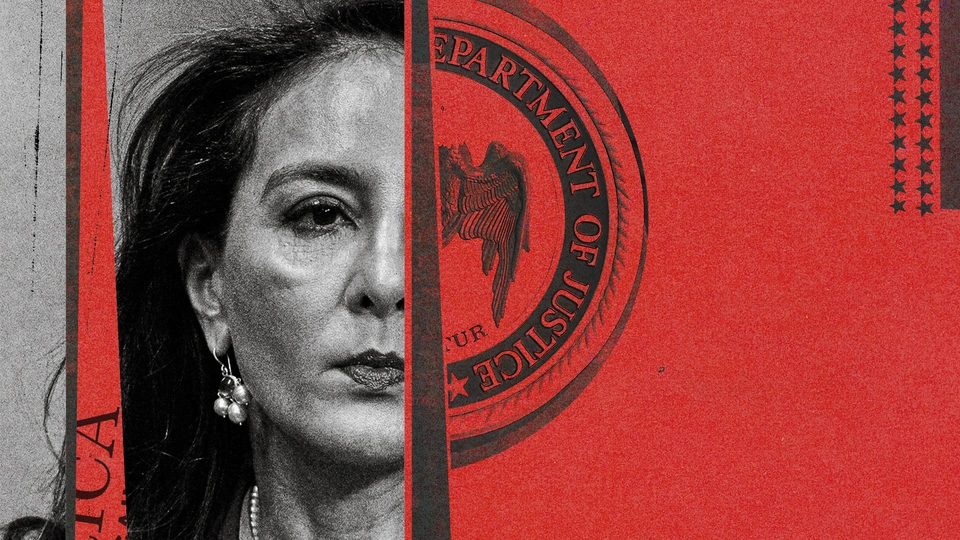
DOJ Seeks Wayne County’s 2024 Ballots
The U.S. Department of Justice has demanded that Wayne County, Michigan, produce materials from the November 2024 election, including all ballots along with supporting paperwork like ballot receipts and ballot envelopes. The request, delivered in an April 14 letter, gives the county 14 days to...
Read more →
AEDPA and Federal Habeas Review of State Convictions
Federal habeas corpus is often described as an emergency exit for unlawful imprisonment. For state prisoners today, that exit is mostly a statutory one: modern federal habeas review runs primarily through 28 U.S.C. § 2254, against a constitutional backdrop that includes the Suspension Clause. The...
Read more →
The Jencks Act and Witness Statements
The Jencks Act is one of those federal trial rules that sounds technical until you picture it in real life: a witness points at a defendant in open court and tells the jury what happened, and the defense thinks, Have you said something different before? The Constitution does not contain a “right...
Read more →
The Crime Victims’ Rights Act
You can read a lot of American criminal procedure and come away with a lopsided impression: the Constitution is a map of what the government cannot do to the accused. Search and seizure. Self-incrimination. Counsel. Confrontation. Due process. Those rules are essential, and they are deliberately...
Read more →
Change of Venue in Criminal Trials
Most people hear “change of venue” and think it means the defendant is getting a better judge, a friendlier jury, or a procedural reset. In reality, it is something narrower and more constitutional than that. It is a tool courts use when the place where a crime is charged becomes an obstacle to...
Read more →
The Plain View Doctrine
Most Fourth Amendment stories start with a warrant. Plain view stories start with something simpler: an officer is already somewhere they are allowed to be, sees something exposed to lawful observation, and its incriminating character is immediately apparent without the officer doing anything that...
Read more →
Bench Trial vs. Jury Trial
The Constitution promises a right that most Americans treat as automatic: a trial by jury. But in many criminal cases, the most consequential decision happens before any witness is sworn. Do you want twelve citizens to decide whether the government proved its case beyond a reasonable doubt, or do...
Read more →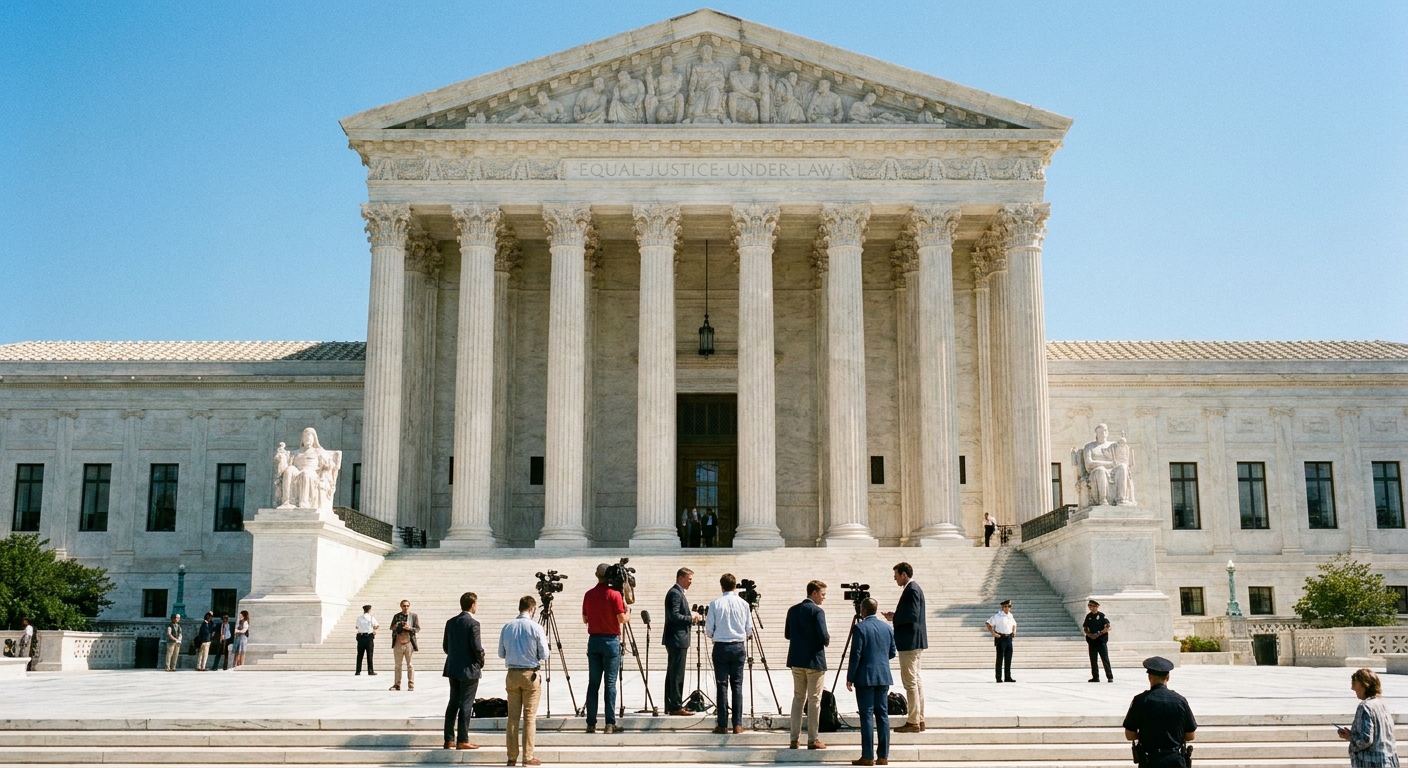
The Rule of Four
The Supreme Court is not a court you can simply appeal to because you lost. It is a court that mostly gets to decide whether it will listen at all. Every year, thousands of people ask the justices to take their case. Only a small fraction get a yes. And that “yes” is often triggered by one...
Read more →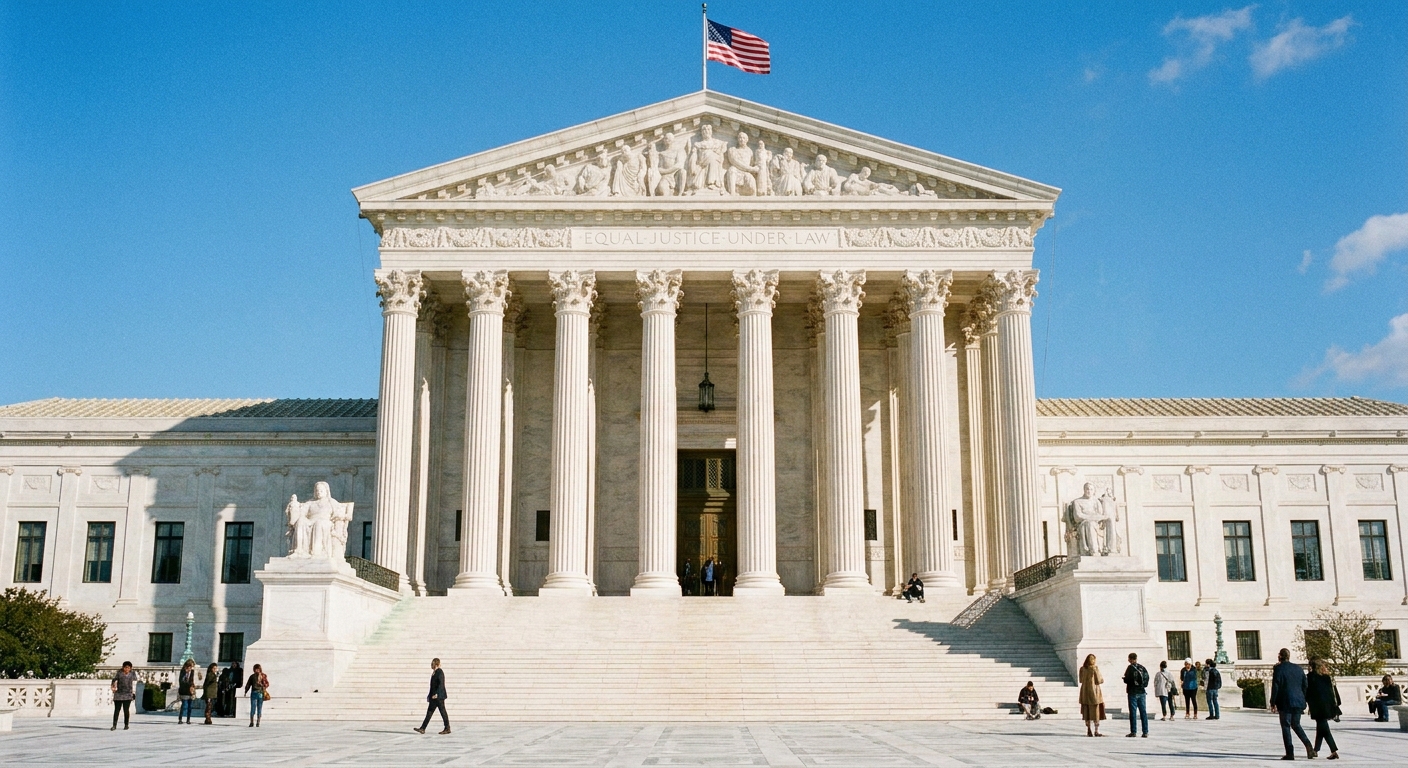
Giglio v. United States
You can lose a criminal trial without losing on the facts. Sometimes you lose because the jury never got to see what would have made a government witness look different in the witness chair: a promise, a deal, a quiet assurance, or even just a reason to shade the truth. That is where Giglio v....
Read more →
Moore v. Harper and the Independent State Legislature Theory
Two constitutional provisions have done an outsized amount of work in modern election litigation. They both say that state election rules for federal contests are set by each state’s “Legislature.” That single word powered one of the most ambitious constitutional arguments in decades, the...
Read more →
Prior Restraint and the First Amendment
You can be punished for speech after you publish it. That is the normal First Amendment fight. Prior restraint is different. It is the government trying to stop speech before it reaches anyone. A judge’s order that a newspaper cannot print. A licensing office that says you cannot hand out...
Read more →
Reasonable Suspicion vs. Probable Cause
You can feel the difference between these two standards in real life, even if you have never said their names out loud. Reasonable suspicion is the legal threshold for an officer to briefly stop you and investigate. Probable cause is the higher threshold that usually justifies an arrest or a full...
Read more →
The Antideficiency Act Explained
When Congress misses a funding deadline, the public tends to talk about a “shutdown” like it is a switch someone flips in a back room. But inside the executive branch, it is more like a legal tripwire. When appropriations lapse for a given account , a statute with 19th-century origins called...
Read more →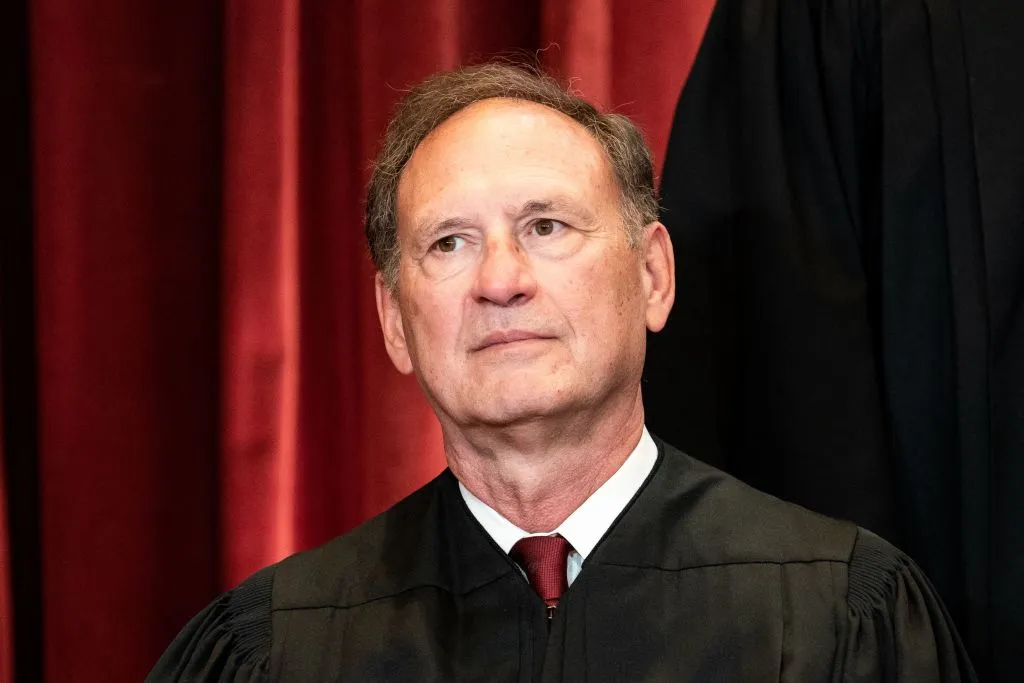
Alito and Thomas Staying Put, for Now
In Washington, the loudest Supreme Court news is often the news that does not happen. Multiple sources now indicate that Justice Samuel Alito is not expected to step down this term. The term lasts until the Court’s new year begins in October. Alito, who is 76, has already hired all four law...
Read more →
A Strait of Hormuz Blockade Without Congress?
The Strait of Hormuz is not just a watery choke point. It is a constitutional one too. When the world’s most sensitive shipping lane becomes the stage for armed enforcement, the question is not only what happened at sea, but who, back home, has the authority to set the rules. After an incident...
Read more →
Navy Seizes Iranian Ship in the Strait: War Powers and the Escalation Risk
The Strait of Hormuz is not just a narrow stretch of water. It is a pressure point where global commerce, regional rivalries, and U.S. constitutional limits collide. On April 19, 2026, U.S. Central Command released video showing the destroyer USS Spruance firing on an Iranian-flagged cargo vessel...
Read more →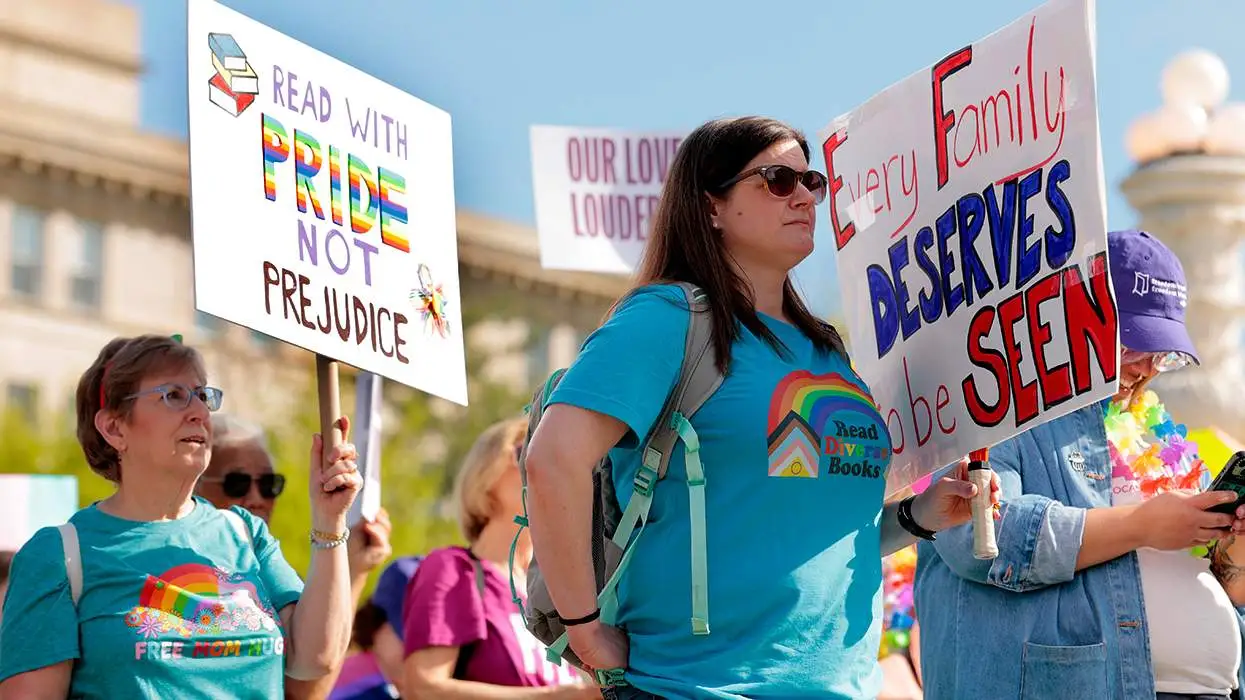
When Schools Keep Gender Identity Secret From Parents
Across the country, families are learning a hard civics lesson: the most emotional school debates are often the ones with the most complicated lines of authority. Who decides what a school can keep from parents about a child’s gender identity? When does student privacy matter most? And where,...
Read more →