
The U.S. Constitution
Archival records, profiles, and educational resources since 1995.
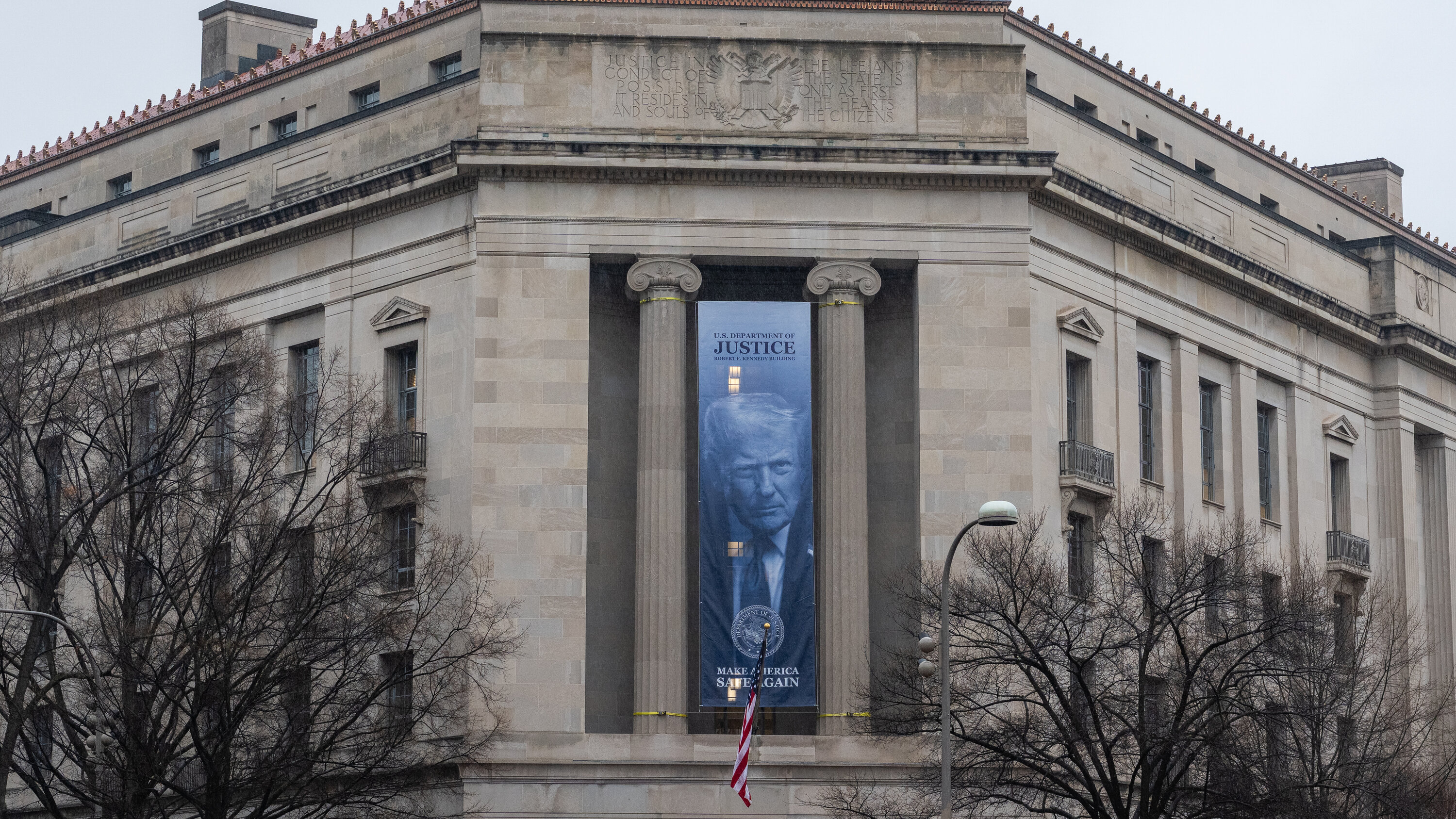
Trump’s DOJ Keeps a Biden Gun Rule
Presidents campaign like they can flip Washington like a light switch. New team in, old rules out. That story sells. It is also often false. On April 10, the Trump Justice Department kept a Biden-era gun rule in place. Whatever people expected from a change in administration, the immediate result...
Read more →
Can the Government Unmask Anonymous Critics?
Anonymous speech is not a loophole in the First Amendment. It is one of its oldest habits. That is why a recent effort to force Reddit to identify a user who criticized Immigration and Customs Enforcement is not just a platform privacy story. It is a stress test for a constitutional principle:...
Read more →
WATCH: Rex Heuermann Pleads Guilty to Killing 8 Women
Rex Heuermann admitted in court that he killed eight women as he changed his plea to guilty on April 9, 2026, in the Gilgo Beach murders case in New York. For many people following a case like this, a guilty plea can feel like the end of the story. In reality, it is more like a hinge in the...
Read more →
FISA 702 and Warrants for Americans’ Data
Every few years, Congress faces the same uncomfortable question: how much surveillance power should the federal government have in the name of foreign intelligence, and what protections do Americans get when their messages get caught in the net? That question is back because Section 702 of the...
Read more →
Congressional Review Act Explained
Most federal regulations do not die dramatic deaths. They fade out in committee hearings, get revised in the Federal Register, or get whittled down in court. The Congressional Review Act , or CRA, is different. It is a statutory trapdoor. If Congress and the President agree, they can wipe out a...
Read more →
Bivens Actions Explained
You can sue state and local officials for constitutional violations under a statute most lawyers know by heart: 42 U.S.C. § 1983 . But what if the person who violated your rights works for the federal government? That is where people often hear the phrase “Bivens action” , usually said with a...
Read more →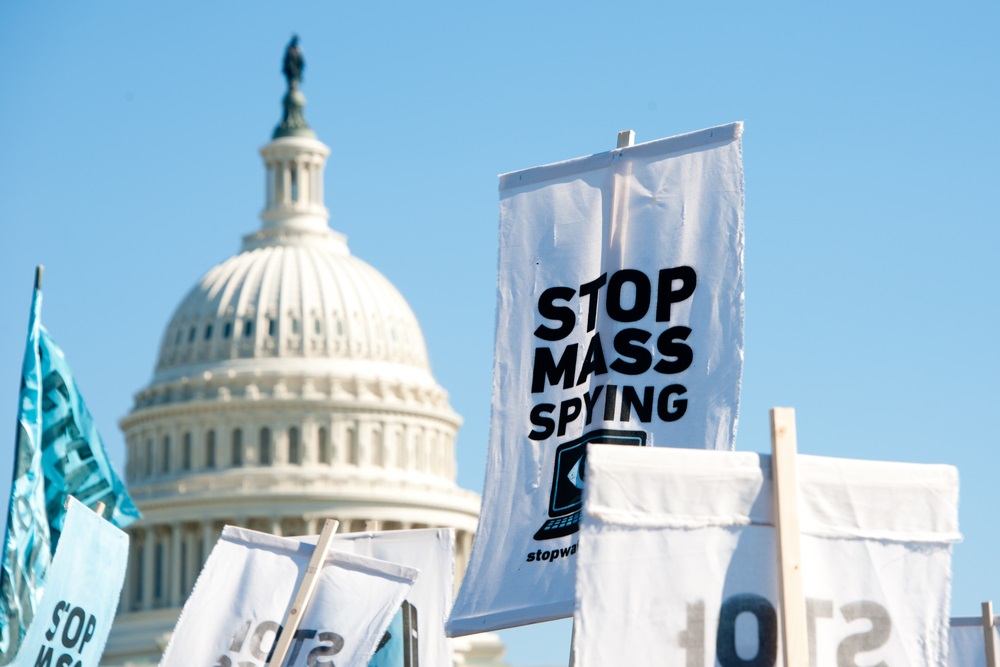
The USA PATRIOT Act and the Constitution
“The PATRIOT Act” has become shorthand for a single idea: the government can listen to your calls, read your messages, and raid your bank account because Congress moved quickly in the immediate aftermath of 9/11. The reality is more bureaucratic, more specific, and in a way, more...
Read more →
FISA and the Foreign Intelligence Surveillance Court
You can tell how confusing FISA is by the way people talk about it. Some treat a “FISA warrant” like a cheat code that lets the government spy without rules. Others treat it like a normal warrant with a different label. Neither is quite right. The Foreign Intelligence Surveillance Act of 1978...
Read more →
Section 1983 Lawsuits Explained
When people say they are “suing the police for violating my rights,” they are usually talking about one statute: 42 U.S.C. § 1983 , commonly called Section 1983 . It is not a constitutional amendment. It is a Reconstruction-era law that creates a civil lawsuit when a state or local official...
Read more →
The Public Charge Rule Explained
In American immigration law, few phrases cause more confusion than “public charge.” People hear it and assume it means: if you ever used a public benefit, you can be deported. Or: if you are poor, you cannot immigrate. Or: if you apply for a green card, you have to prove you will never need...
Read more →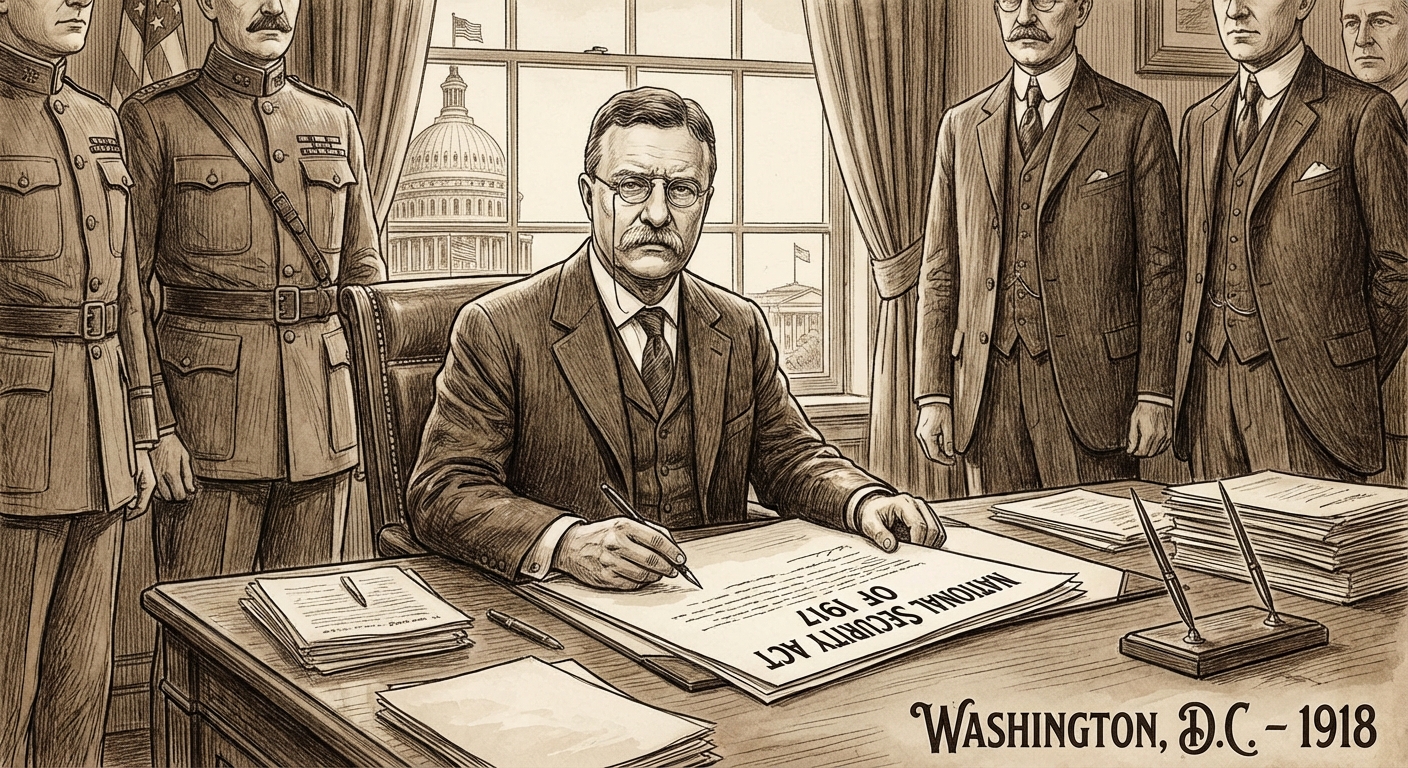
The Espionage Act Explained
You can think of the Espionage Act as a law built for wartime, then left on the books for peacetime. It was born in World War I, designed to protect military operations and national defense information. A century later, it is still one of the government’s main tools for prosecuting the...
Read more →
Alien Tort Statute Explained
The Alien Tort Statute is one of the strangest power tools in American law. It is a single sentence written in 1789, largely dormant for almost two centuries, then suddenly revived as a way for foreign plaintiffs to bring human rights cases in U.S. federal courts. And then the Supreme Court spent...
Read more →
Military Commissions and the Constitution
When Americans picture “a trial,” they picture a federal judge in a black robe, a jury box, and a courtroom where the Constitution is the rulebook and the referee is independent of the political branches. Military commissions are what happens when the government argues that picture does not fit...
Read more →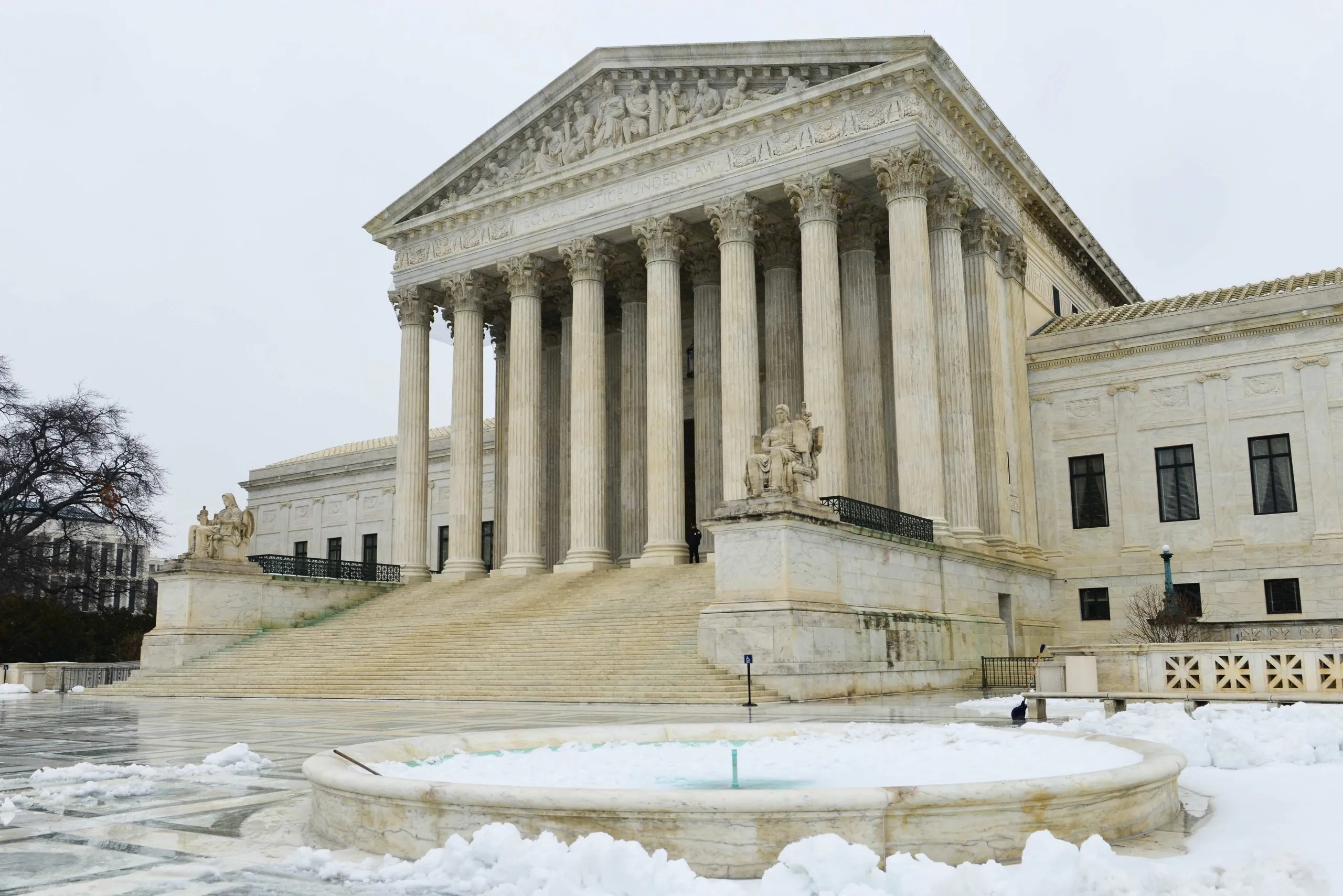
State Secrets Privilege Explained
Some lawsuits die without a jury ever hearing the central facts, not because the plaintiff lacks evidence, but because the government says the evidence is too dangerous to discuss. That is the basic tension behind the state secrets privilege , a judge-made, federal common-law doctrine that can...
Read more →
Federal Tort Claims Act Explained
You cannot sue the federal government just because it harmed you. That is the baseline rule, and it has a name: sovereign immunity . In plain terms, the United States does not get hauled into court unless it has agreed to be. (And it has agreed in more than one way, depending on what you are suing...
Read more →
The Supreme Court’s Shadow Docket
Most people picture Supreme Court decisions arriving the same way: months of briefs, a packed courtroom, oral argument, and a long opinion signed in June. That is the Court’s merits docket , and it is the version of the judiciary we teach in civics class. But some of the Court’s most...
Read more →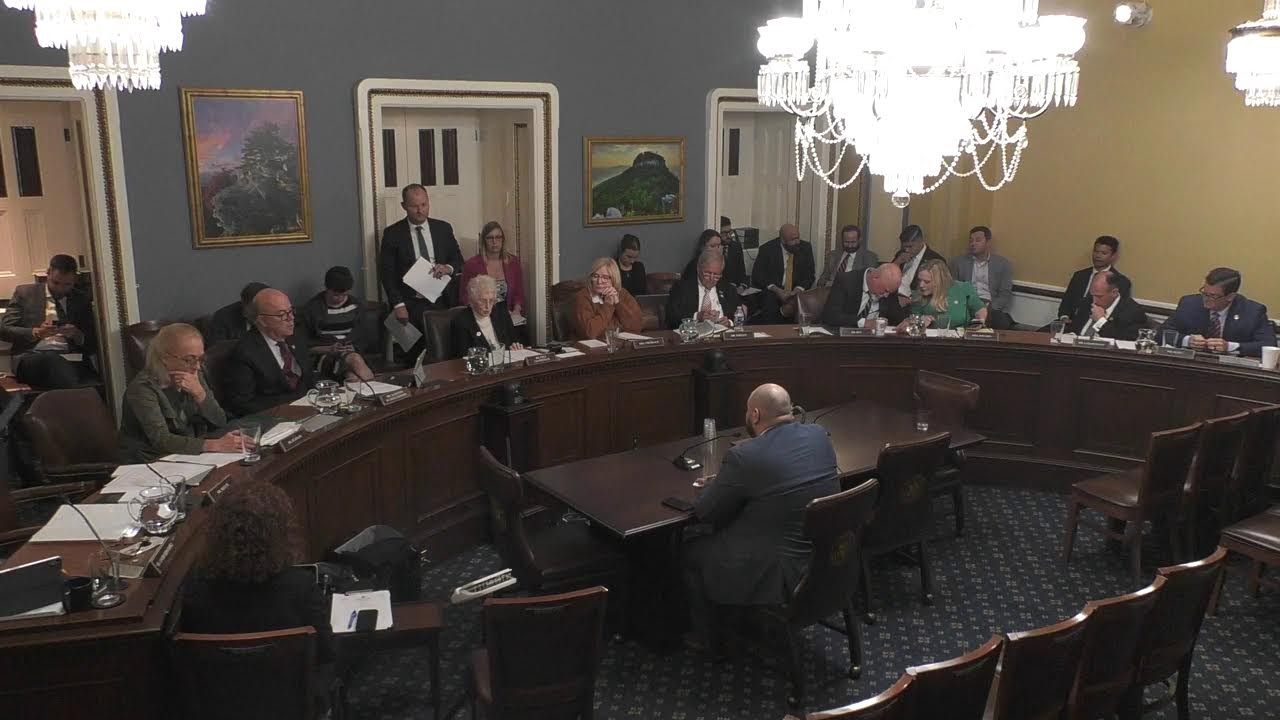
House Rules Committee Explained
The House of Representatives looks like a freewheeling arena on C-SPAN, but most of what you see on the floor has already been negotiated and engineered off the floor. One of the main committees that makes that possible is the House Rules Committee. For most major bills, it proposes how the House...
Read more →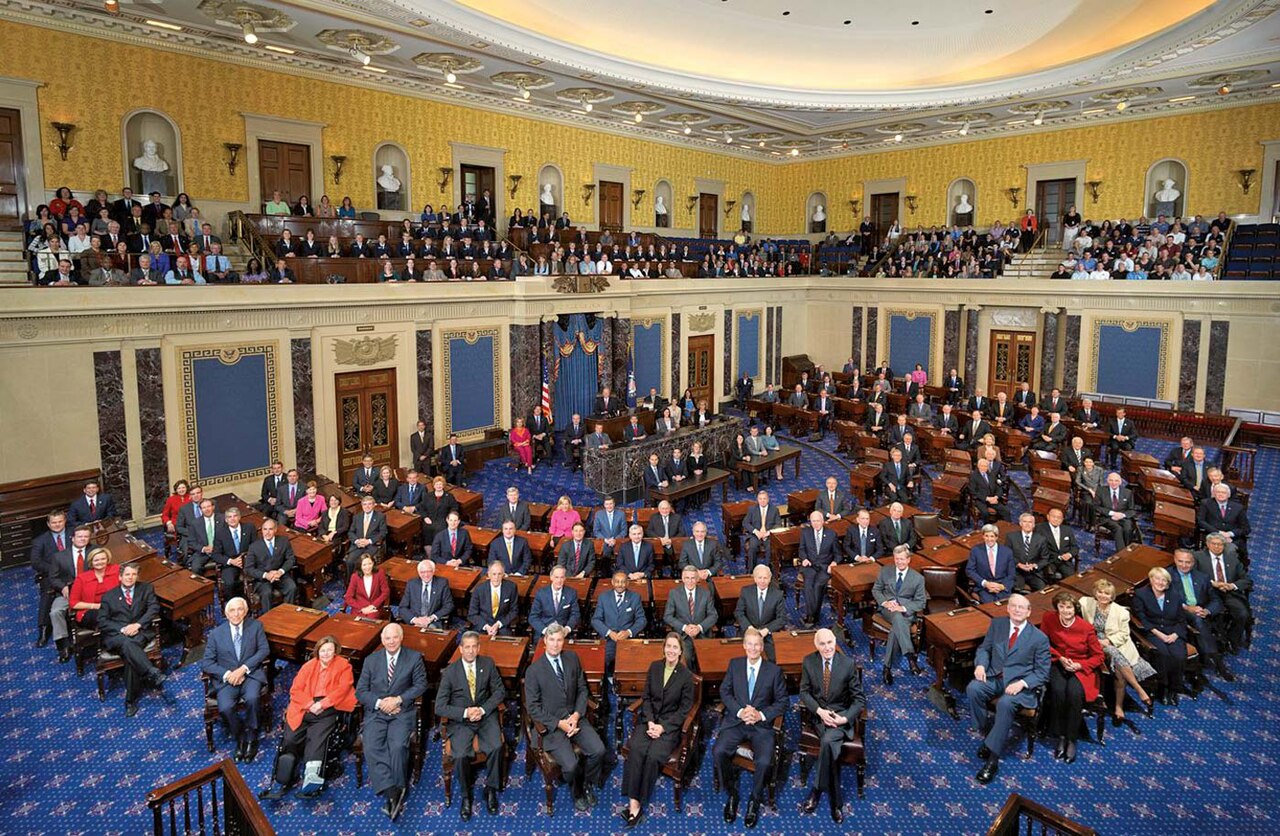
The Senate Parliamentarian Explained
When a headline says “the parliamentarian ruled,” it can sound like a judge has spoken. In reality, the Senate parliamentarian is not a justice, not an elected official, and not the final word on what the Senate can do. The parliamentarian is closer to an in-house rules librarian with a...
Read more →
Inspectors General Explained
When a scandal hits Washington, you will hear the same three letters invoked like a spell: IG. An Inspector General is not a prosecutor. Not a legislator. Not a judge. An IG is a statutory watchdog placed inside an executive branch agency to uncover waste, fraud, abuse, and serious misconduct, then...
Read more →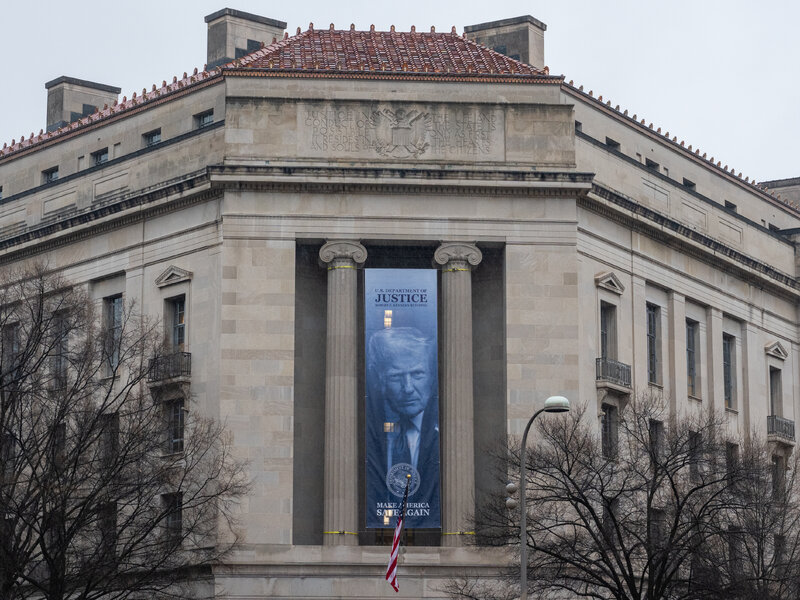
What the U.S. Attorney General Does
The Attorney General is often introduced in headlines as “the nation’s top law enforcement officer.” That phrase is helpful, but it is also incomplete. The U.S. Attorney General is a cabinet-level official who runs the Department of Justice, oversees federal litigation and prosecution...
Read more →