
The U.S. Constitution
Archival records, profiles, and educational resources since 1995.

Harvard Sues Over International Student Ban
The federal government has significant power over the people and institutions it regulates. Often, that power shows up as forms, compliance checks, and rules that can change over time. Occasionally, it shows up as a ban. Harvard is suing the Trump administration after it banned the school from...
Read more →
Trump’s Yemen Strikes and the War Powers Question
A naval blockade sounds like a Cold War era phrase, but constitutionally it raises a very modern question: how far can a president go, on their own, before the United States is effectively at war? This question lands differently when the news is not hypothetical. President Donald Trump has ordered...
Read more →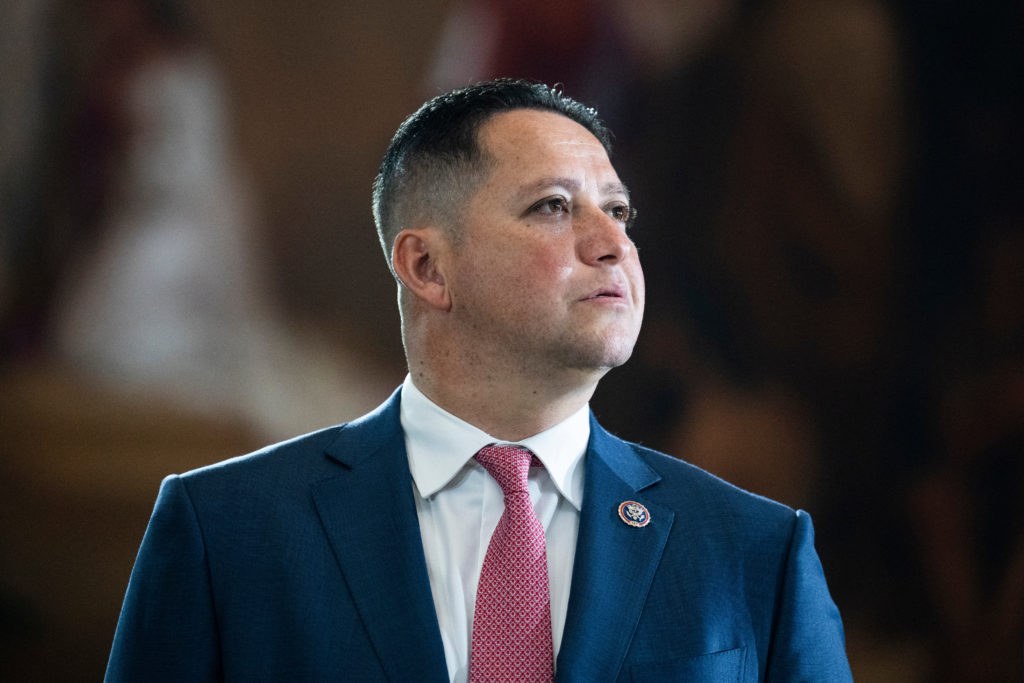
Resignations, Not Expulsions
The House of Representatives is not a courtroom. It is not a human resources department, either. But it is a constitutional body with one glaring obligation that rarely gets tested in earnest: the duty to discipline its own members. This week, that duty collided with political reality. Rep. Tony...
Read more →
Virginia Gun Sales Spike Ahead of New Controls
One of the easiest ways to see how law influences everyday behavior is to watch what happens right before a rule changes, or might. In Virginia, gun retailers say that is exactly what is happening now: as a slate of proposed gun controls moves through the legislative process, customers are rushing...
Read more →Nevada Case Renews Focus On Mandatory Detention
When the government locks someone up, our constitutional tradition expects more than a label. Recent detention litigation in multiple jurisdictions has drawn fresh attention to a recurring issue in immigration law: when, if ever, the government can require detention automatically under certain...
Read more →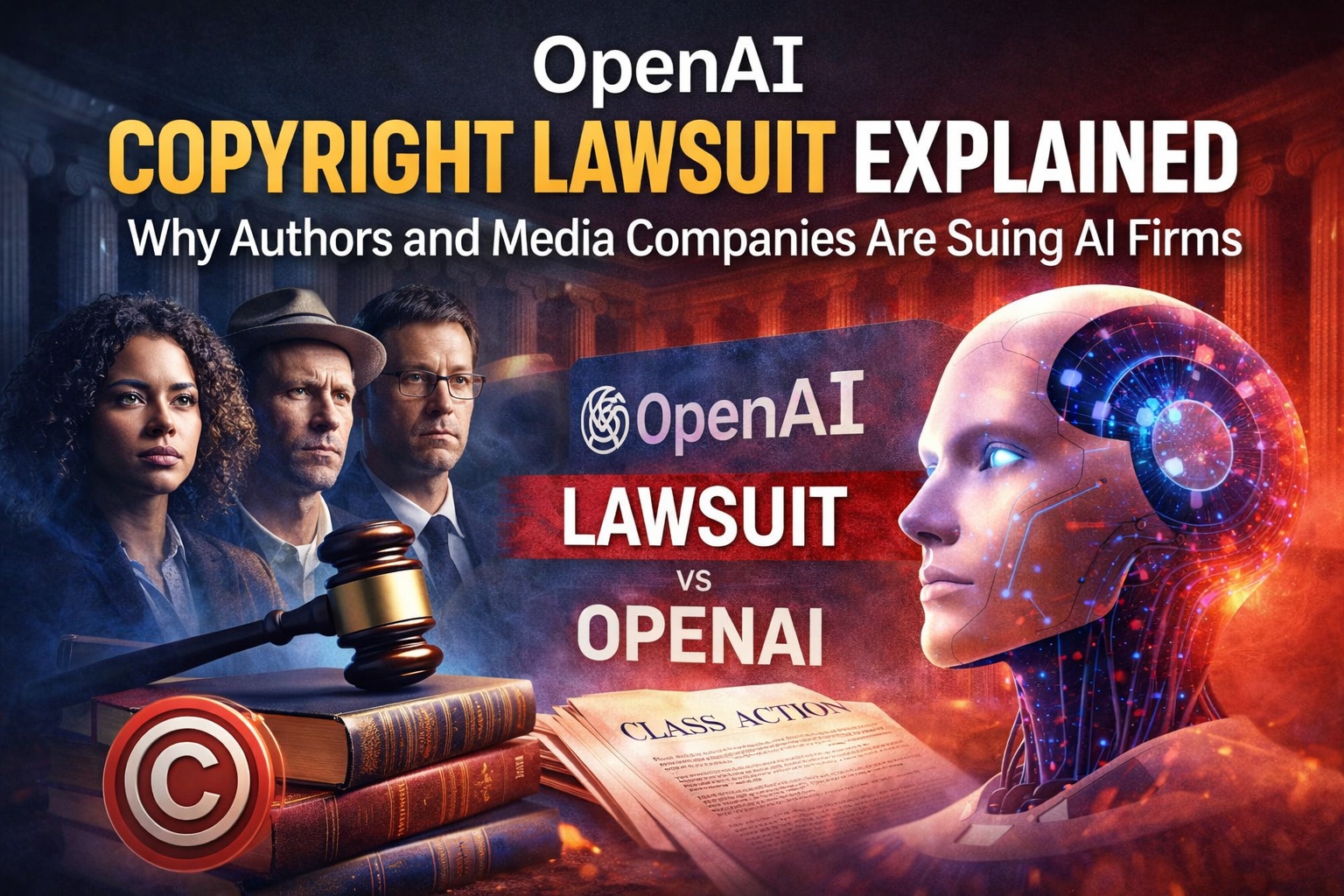
Can a Court Order OpenAI to Cut Off ChatGPT to One User?
In the AI age, some of our oldest constitutional questions are returning in unfamiliar clothing. A plaintiff has asked a court to order OpenAI to cut off a particular person from ChatGPT, prevent him from creating new accounts, and notify her if he tries to get back on. The allegations behind the...
Read more →
Massachusetts and the Quiet Squeeze on Section 230
Section 230 is famous for what it says in plain English: if you run a website that hosts user content, you usually are not treated as the “publisher or speaker” of what your users post. That protection is not a courtesy. It is the legal architecture that made comment sections, reviews, social...
Read more →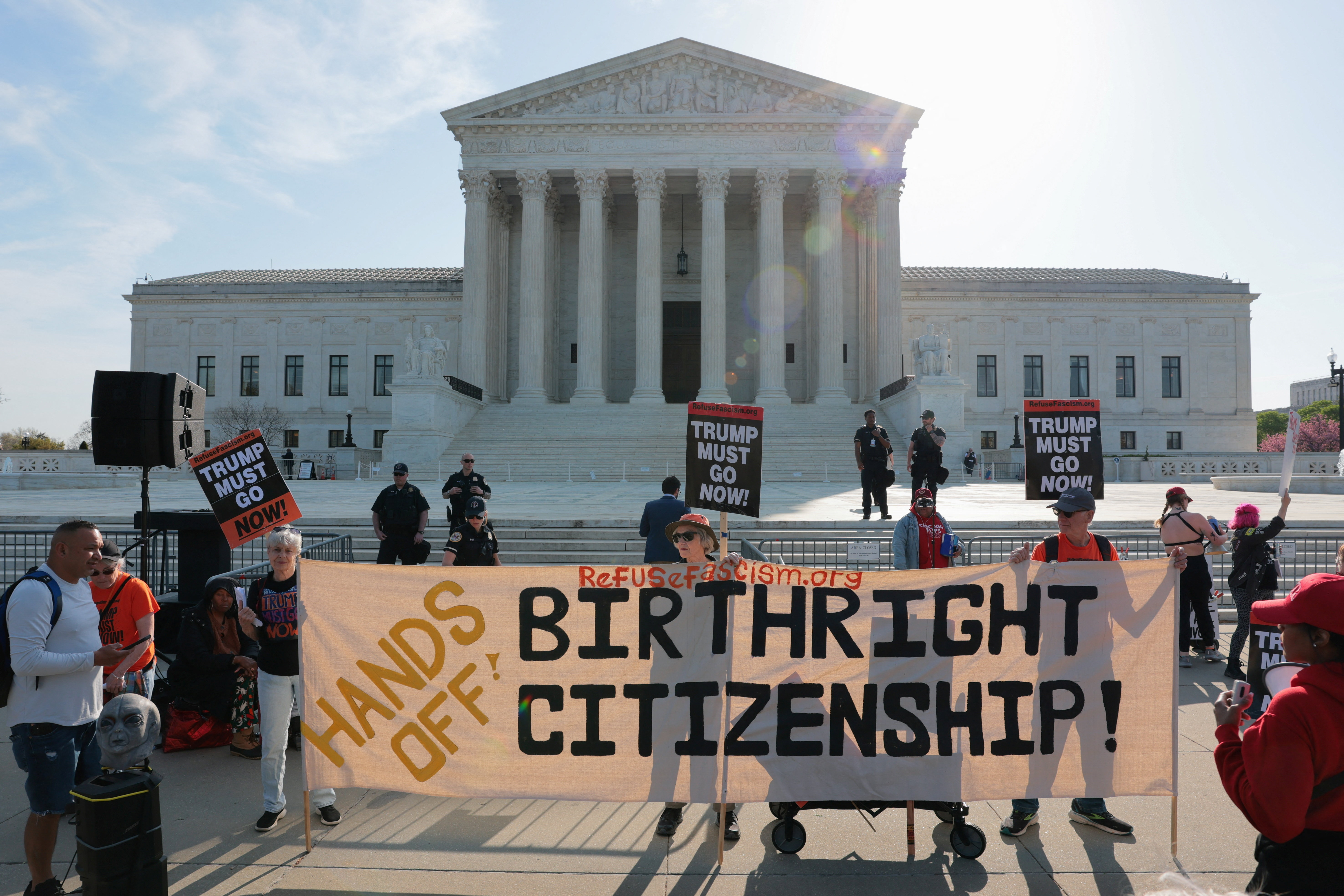
Birthright Citizenship and the Sovereignty Question
Every generation finds a new way to ask an old question: who is an American ? Sometimes the question comes dressed as a moral argument. Sometimes it shows up as a budget argument. Lately, it shows up in court as a sovereignty argument, the claim that the United States can only remain a nation if it...
Read more →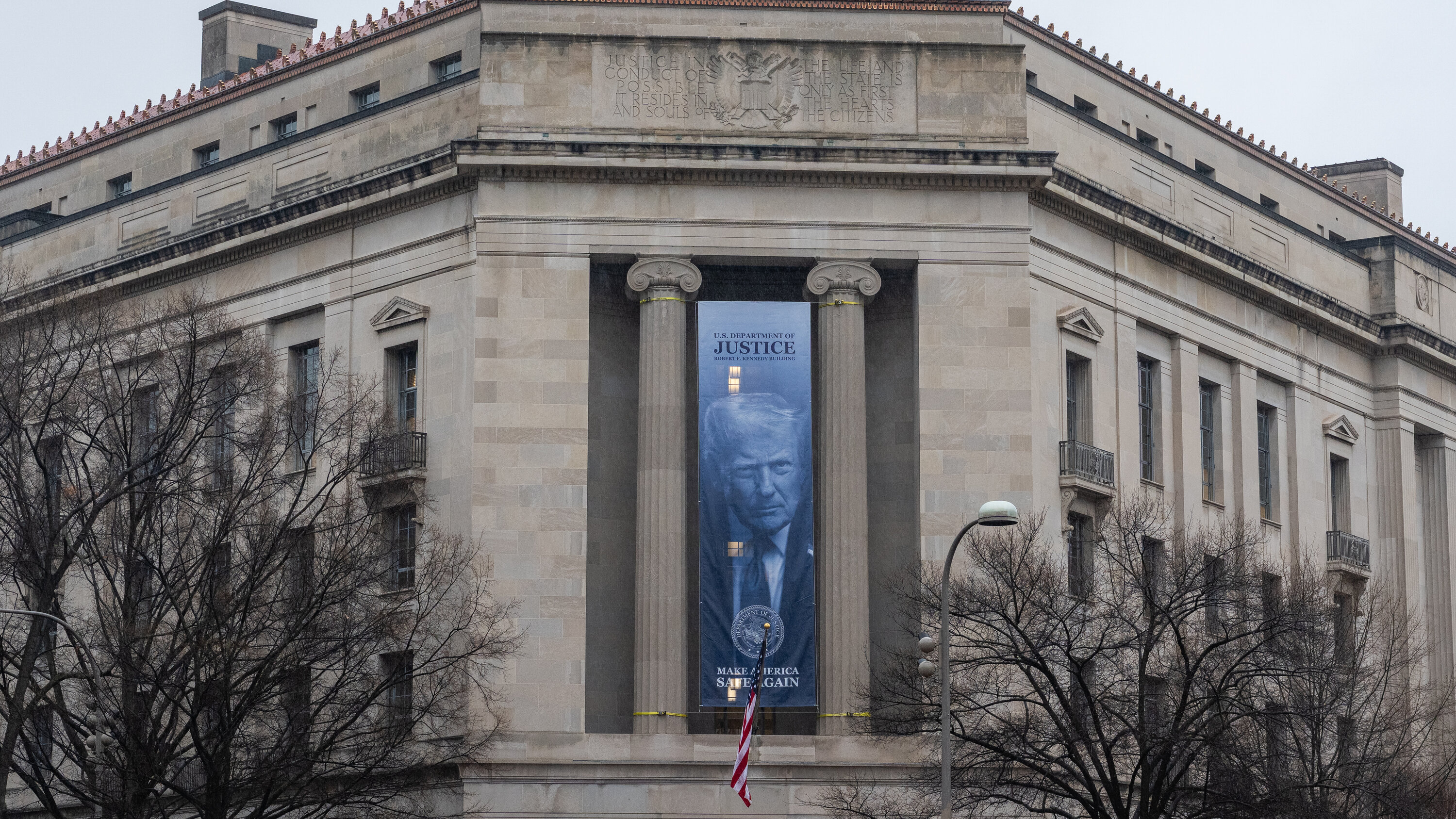
Trump’s DOJ Keeps a Biden Gun Rule
Presidents campaign like they can flip Washington like a light switch. New team in, old rules out. That story sells. It is also often false. On April 10, the Trump Justice Department kept a Biden-era gun rule in place. Whatever people expected from a change in administration, the immediate result...
Read more →
Can the Government Unmask Anonymous Critics?
Anonymous speech is not a loophole in the First Amendment. It is one of its oldest habits. That is why a recent effort to force Reddit to identify a user who criticized Immigration and Customs Enforcement is not just a platform privacy story. It is a stress test for a constitutional principle:...
Read more →
WATCH: Rex Heuermann Pleads Guilty to Killing 8 Women
Rex Heuermann admitted in court that he killed eight women as he changed his plea to guilty on April 9, 2026, in the Gilgo Beach murders case in New York. For many people following a case like this, a guilty plea can feel like the end of the story. In reality, it is more like a hinge in the...
Read more →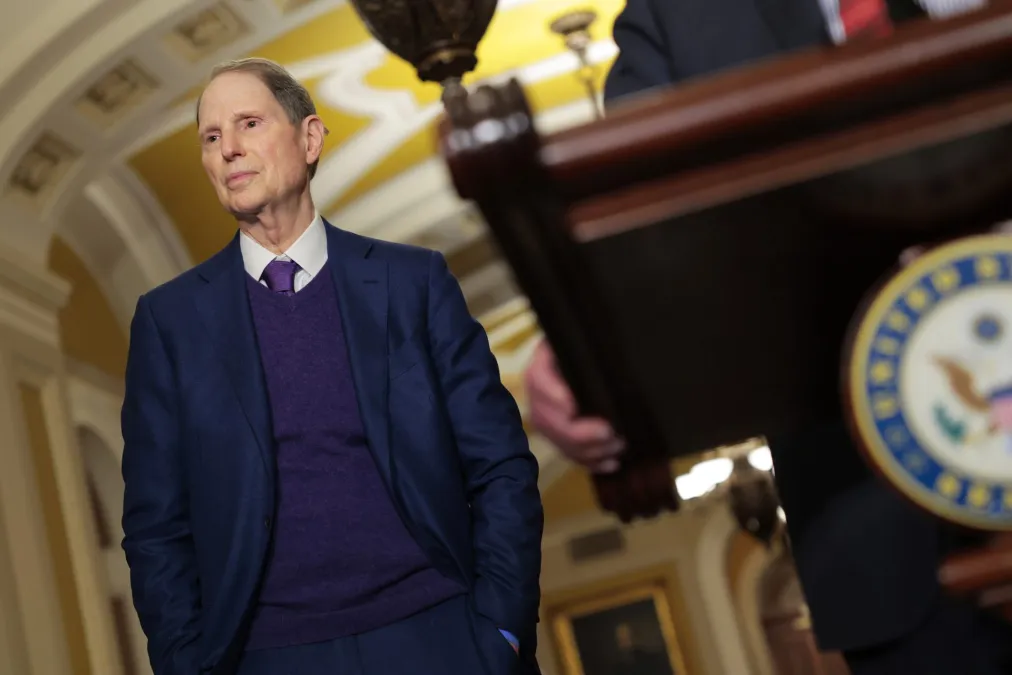
FISA 702 and Warrants for Americans’ Data
Every few years, Congress faces the same uncomfortable question: how much surveillance power should the federal government have in the name of foreign intelligence, and what protections do Americans get when their messages get caught in the net? That question is back because Section 702 of the...
Read more →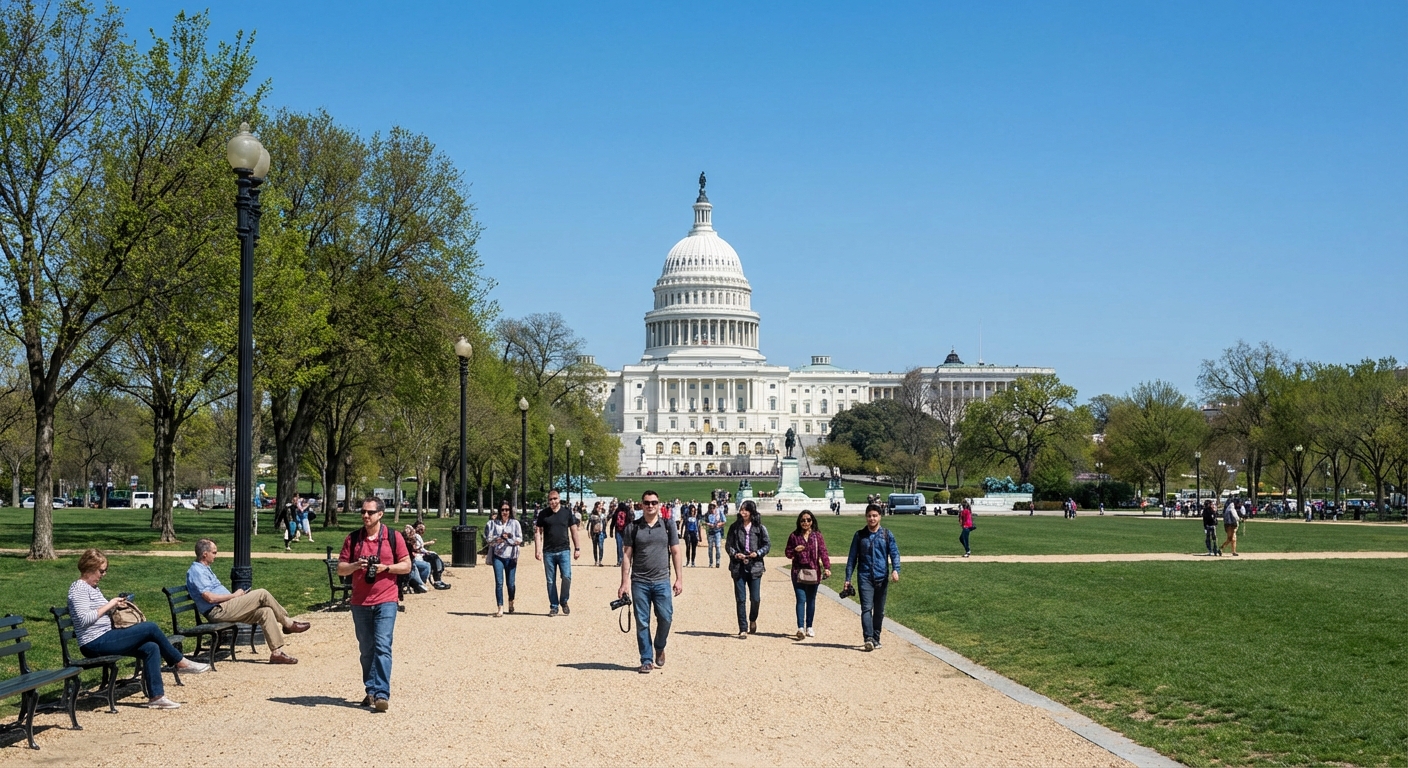
Congressional Review Act Explained
Most federal regulations do not die dramatic deaths. They fade out in committee hearings, get revised in the Federal Register, or get whittled down in court. The Congressional Review Act , or CRA, is different. It is a statutory trapdoor. If Congress and the President agree, they can wipe out a...
Read more →
Bivens Actions Explained
You can sue state and local officials for constitutional violations under a statute most lawyers know by heart: 42 U.S.C. § 1983 . But what if the person who violated your rights works for the federal government? That is where people often hear the phrase “Bivens action” , usually said with a...
Read more →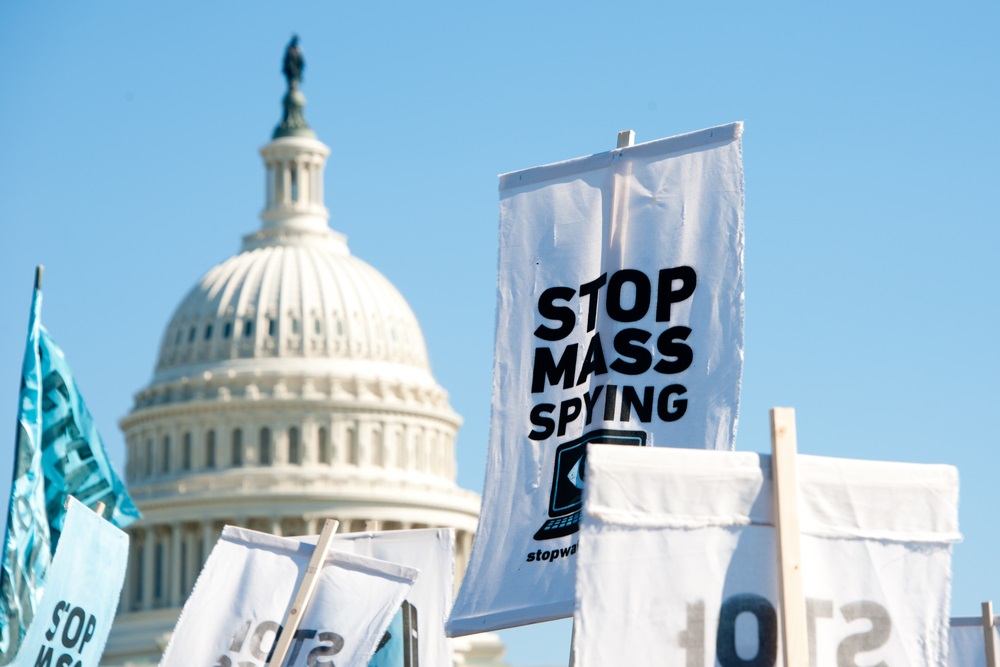
The USA PATRIOT Act and the Constitution
“The PATRIOT Act” has become shorthand for a single idea: the government can listen to your calls, read your messages, and raid your bank account because Congress moved quickly in the immediate aftermath of 9/11. The reality is more bureaucratic, more specific, and in a way, more...
Read more →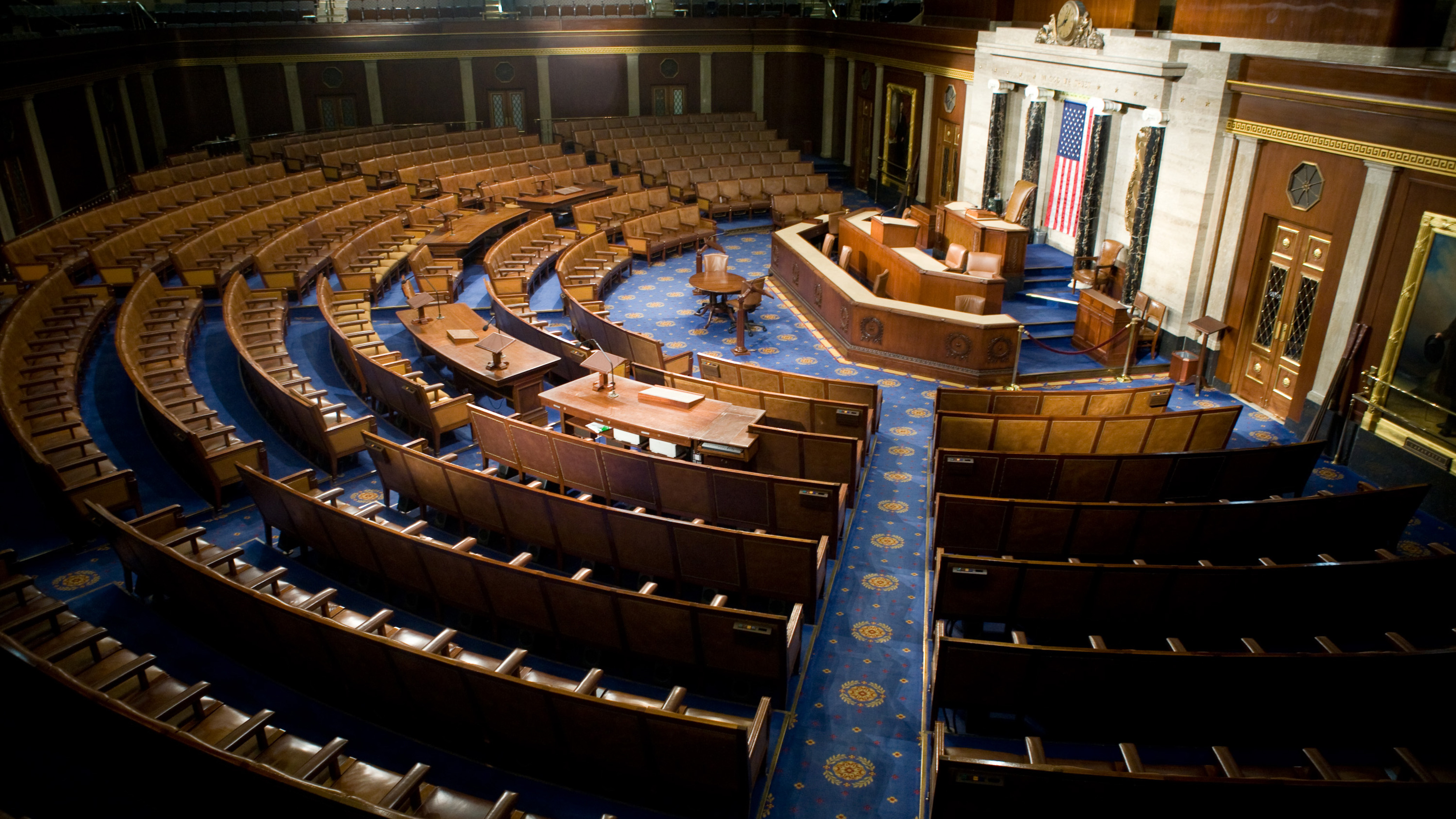
FISA and the Foreign Intelligence Surveillance Court
You can tell how confusing FISA is by the way people talk about it. Some treat a “FISA warrant” like a cheat code that lets the government spy without rules. Others treat it like a normal warrant with a different label. Neither is quite right. The Foreign Intelligence Surveillance Act of 1978...
Read more →
Section 1983 Lawsuits Explained
When people say they are “suing the police for violating my rights,” they are usually talking about one statute: 42 U.S.C. § 1983 , commonly called Section 1983 . It is not a constitutional amendment. It is a Reconstruction-era law that creates a civil lawsuit when a state or local official...
Read more →
The Public Charge Rule Explained
In American immigration law, few phrases cause more confusion than “public charge.” People hear it and assume it means: if you ever used a public benefit, you can be deported. Or: if you are poor, you cannot immigrate. Or: if you apply for a green card, you have to prove you will never need...
Read more →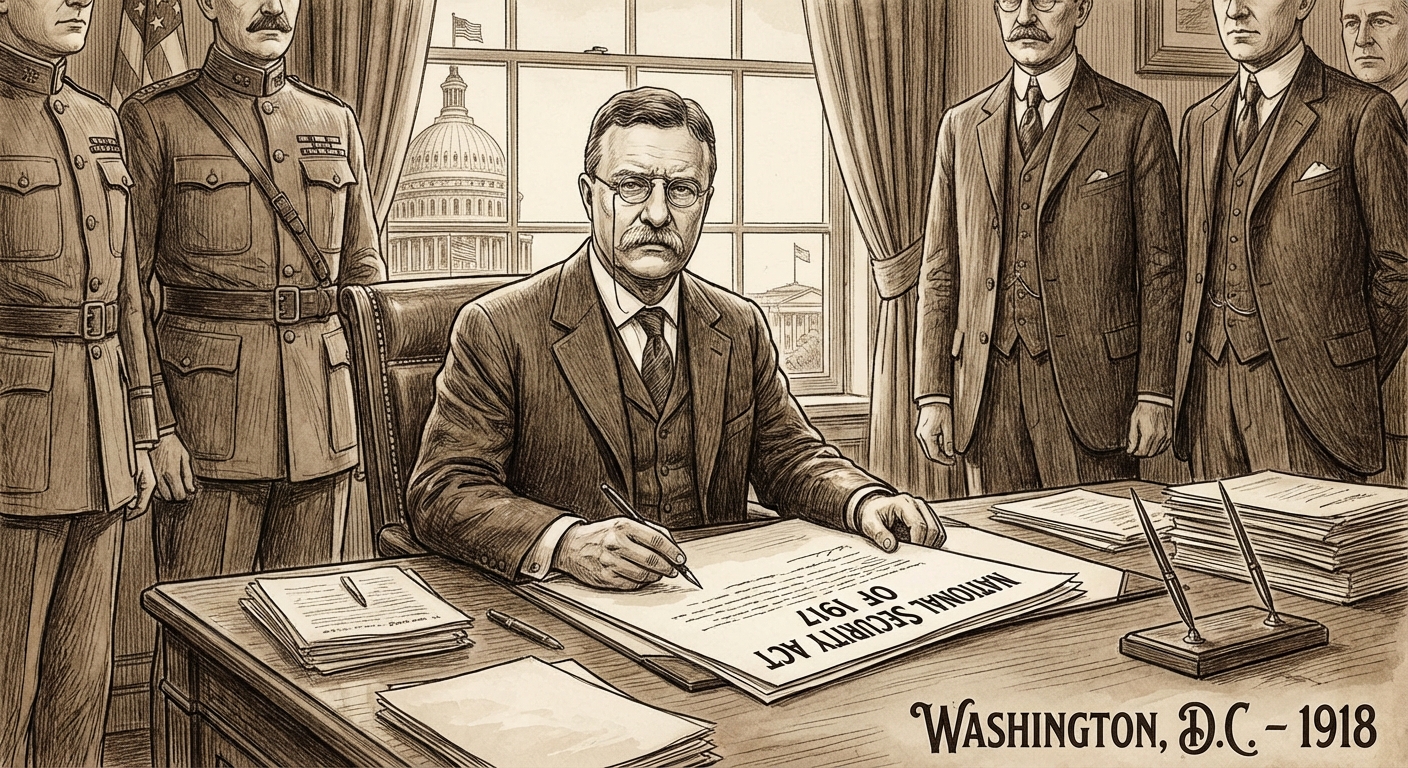
The Espionage Act Explained
You can think of the Espionage Act as a law built for wartime, then left on the books for peacetime. It was born in World War I, designed to protect military operations and national defense information. A century later, it is still one of the government’s main tools for prosecuting the...
Read more →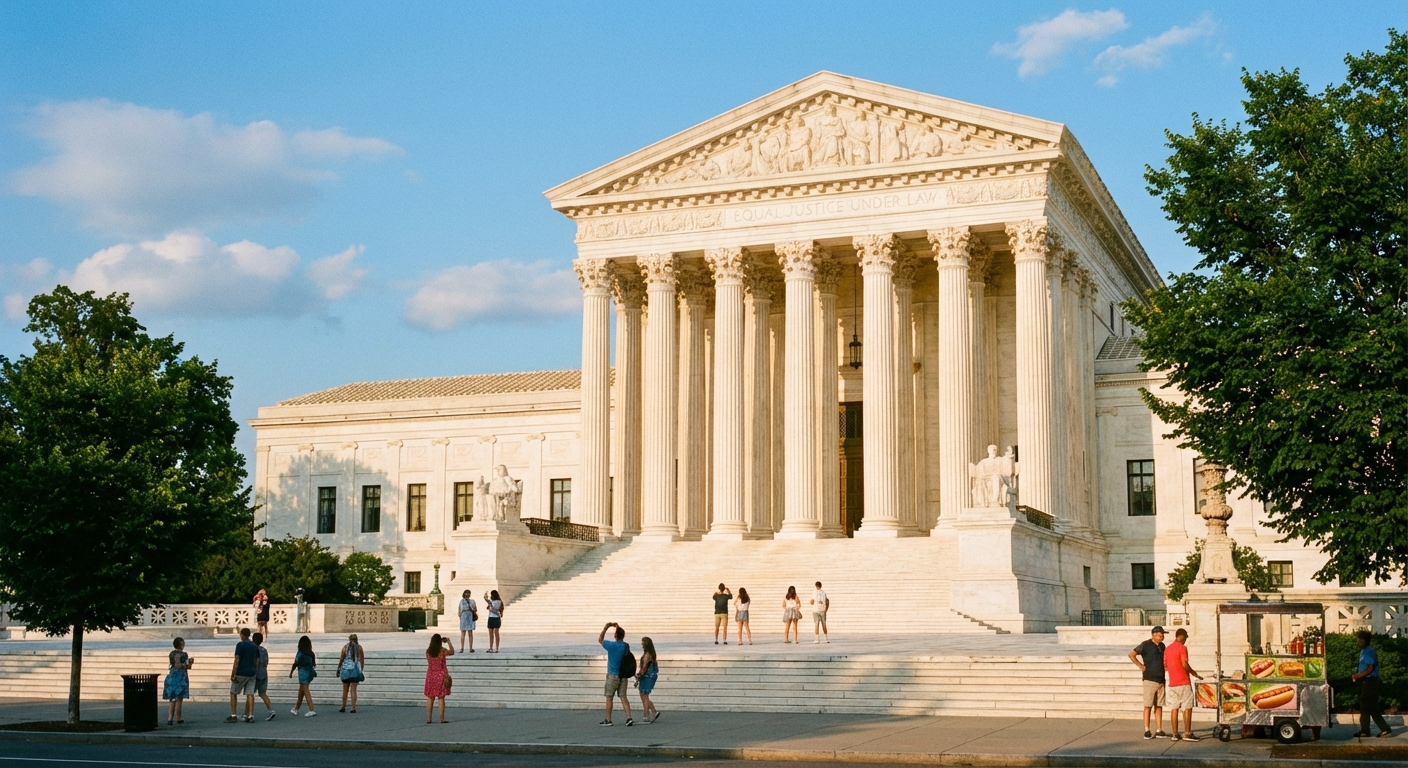
Alien Tort Statute Explained
The Alien Tort Statute is one of the strangest power tools in American law. It is a single sentence written in 1789, largely dormant for almost two centuries, then suddenly revived as a way for foreign plaintiffs to bring human rights cases in U.S. federal courts. And then the Supreme Court spent...
Read more →