
It is a scrapbook from a depraved world. A 238-page book, compiled by Ghislaine Maxwell for Jeffrey Epstein’s 50th birthday, has just been released to the public by the House Oversight Committee. Its contents are a bizarre and unsettling collection of children’s drawings, photos of mating animals, and intimate notes from some of the most powerful people on the planet.
This document dump is more than just a salacious glimpse into a criminal’s life. It is a powerful and constitutionally fraught act by a branch of our government.
It forces us to ask a difficult question: What are the proper limits of public oversight when it collides with the private lives of American citizens?

A Glimpse into a Curated World
The “birthday book,” assembled in 2003, was intended, in Maxwell’s words, to “jog your memory about places, people and different events.” It is a self-curated monument to a life of power and access, a tableau that feels all the more unsettling today.
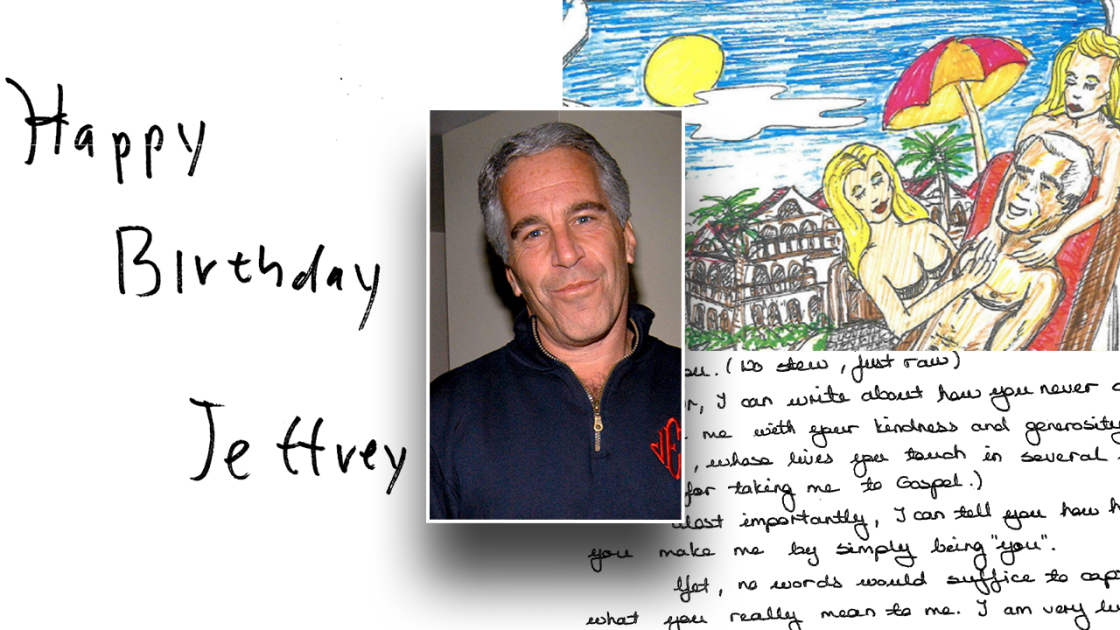
The book contains a handwritten note from former President Bill Clinton praising Epstein’s “childlike curiosity.” It includes another from famed lawyer Alan Dershowitz joking about influencing media coverage.

And it is filled with personal photos of Epstein as a child, with his mother, and in a censored photo embracing Maxwell in a pool.


The Constitutional Power to Expose
The House Oversight Committee’s power to subpoena and publicly release these intensely personal documents is a vital expression of its oversight authority under Article I of the Constitution. Congress has a broad and necessary power to investigate and to inform the public, a power that is a cornerstone of our system of checks and balances.

This power, however, is not unlimited. The Supreme Court, in cases like Watkins v. United States, has held that a congressional investigation must be in furtherance of a legitimate “legislative purpose.” The Oversight Committee has framed its probe this way, stating its goal is to review the federal government’s enforcement of sex trafficking laws and consider new legislation.
Transparency vs. Privacy
This is where the committee’s action becomes a profound constitutional test. While notes from powerful political figures are clearly a matter of public interest, what is the legislative purpose of releasing photos of Epstein as a child, or a heartfelt note from his mother?
The power to investigate comes with an immense responsibility of discretion. It is a power that can be used to uncover corruption and inform the public, but it can also be used to engage in a form of voyeurism that blurs the line between legitimate oversight and public shaming.

The release of these raw, uncontextualized materials risks becoming a “trial by committee,” with serious implications for the privacy of everyone named, including those not accused of any crime.
The release of the “birthday book” has given the American people a disturbing, unfiltered look into the world of Jeffrey Epstein. But it has also provided a stark lesson about the awesome power of congressional oversight. The ability of a committee to reach into a private estate and expose its contents to the world is a vital check on power. It is a power, however, that must be wielded with immense wisdom and restraint, lest the pursuit of transparency for one monster ends up eroding the right to privacy for everyone else.