
A Democratic senator confronted the Trump administration’s top health official with a simple question: Why does the administration’s new landmark law protect a cancer drug that costs patients over $175,000 a year from price negotiations?
The tense exchange, which saw Health and Human Services Secretary Robert F. Kennedy Jr. unable to provide a direct answer, has thrown a harsh spotlight on a controversial new loophole that critics say betrays the President’s promise to take on “Big Pharma.”
The confrontation is a classic example of congressional oversight, a powerful constitutional tool used to hold the executive branch accountable for its actions.

The Senate Health Care Showdown
- What’s Happening: Senator Catherine Cortez Masto (D-Nev.) clashed with HHS Secretary Robert F. Kennedy Jr. in a tense Senate Finance Committee hearing.
- The Issue: The Senator accused the administration of letting “Big Pharma off the hook” by supporting a new law that exempts critical cancer drugs, like Keytruda, from Medicare price negotiation.
- The Impact on Seniors: Cortez Masto highlighted projected sharp increases in Medicare Part B and Part D premiums for millions of seniors, which the Secretary could not explain.
- The Constitutional Issue: The hearing is a classic example of Congressional Oversight, where the legislative branch holds the executive branch accountable for how it spends taxpayer money under the Spending Clause.

The ‘Big Pharma’ Loophole Explained
To understand the heart of the conflict, you have to understand a recent, seismic shift in how Medicare pays for drugs.
The Inflation Reduction Act, passed in 2022, gave Medicare the power for the first time in its history to directly negotiate the prices of some of its most expensive prescription drugs.
This was seen by Democrats as a landmark tool to control skyrocketing costs for seniors.
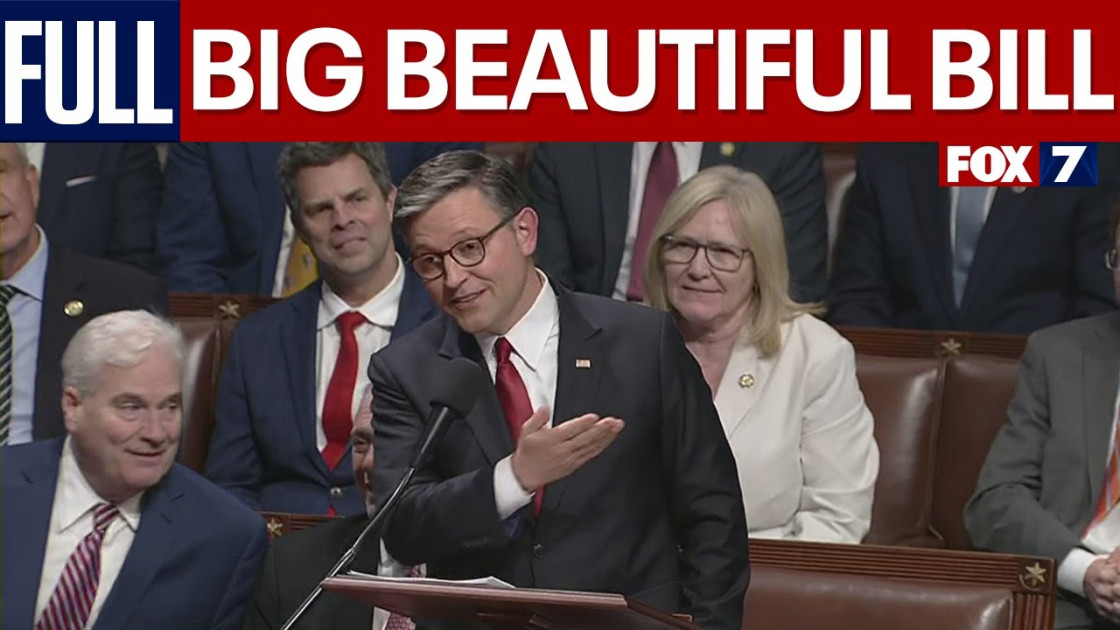
However, the new “One Big Beautiful Bill Act” (OBBBA), recently passed by Republicans and signed by President Trump, created a significant exemption, or “carve-out,” for certain classes of newly developed drugs, including some of the most advanced and expensive cancer treatments.
“This means that while Medicare can now negotiate the price of a common blood thinner or diabetes medication, it is legally forbidden from negotiating the price of some cutting-edge cancer drugs that can cost more than a house.”
The top-selling cancer medication Keytruda, which can cost patients over $175,000 annually, is now shielded from negotiation under the new law.
‘Your Record Tells a Different Story’
During the hearing, Senator Cortez Masto quoted Secretary Kennedy’s own past rhetoric, where he vowed to “say no more to skyrocketing drug prices” and to “take on Big Pharma.”
She then contrasted those words with his support for the new law. “Yet your record tells a different story,” she said, before repeatedly asking him why a drug like Keytruda should be exempt.
Secretary Kennedy did not provide a direct answer.
The Coming Storm: A Spike in Seniors’ Premiums
The debate then shifted to the rising costs that seniors on Medicare are expected to face next year.
Cortez Masto pointed out that premiums for Medicare Part D (drug plans) are projected to rise significantly for 23 million people, as the administration is cutting a federal subsidy that has kept costs down.
She also pressed the Secretary on the expected increase for Medicare Part B, which covers doctor’s visits.
“How much are Medicare Part B premiums expected to increase next year?” she asked. “I don’t know,” was Secretary Kennedy’s response.
“Part B premiums will jump 11.6% to $206 a month in 2026,” Cortez Masto stated, “one of the largest single year increases in decades.”

The Constitutional Power of Oversight
This tense hearing is more than just political theater; it is a fundamental part of the constitutional system of checks and balances.
The Spending Clause in Article I gives Congress the power to create and fund massive programs like Medicare. Paired with that power is the constitutional responsibility of oversight – the duty of congressional committees to question, challenge, and hold executive branch officials like Secretary Kennedy accountable for how they are managing those programs and spending taxpayer money.

The hearing exposed a deep and fundamental disagreement over policy priorities.
The administration argues its new law provides broad tax relief and encourages the development of new miracle drugs by protecting them from price controls. Democrats argue it does so at the direct expense of seniors and taxpayers by gutting Medicare’s power to control costs.
The committee may have adjourned, but the debate over who wins and who loses in the American healthcare system is more intense than ever.