
 Loading …
Discussion
Absolutely! We need to safeguard our country’s values and not welcome those with agendas against us. Plus, protecting our culture and freedoms starts with ensuring those who join us genuinely support America!
Absolutely agree! Standing up for our freedoms keeps our nation strong.
Leave a Comment
Leave a Comment
The United States government has just instituted a new and powerful test for those who wish to join our country. It is not a test of skill, or family connection, or the need for refuge. It is a test of ideology.
In a sweeping new policy directive, U.S. Citizenship and Immigration Services (USCIS) has instructed its officers to consider “anti-American activity” and the espousal of “anti-American ideologies” as an “overwhelmingly negative factor” in any discretionary immigration request.
This is a profound and constitutionally troubling shift, forcing a national debate about the very nature of American identity and the principles of free thought we claim to uphold.
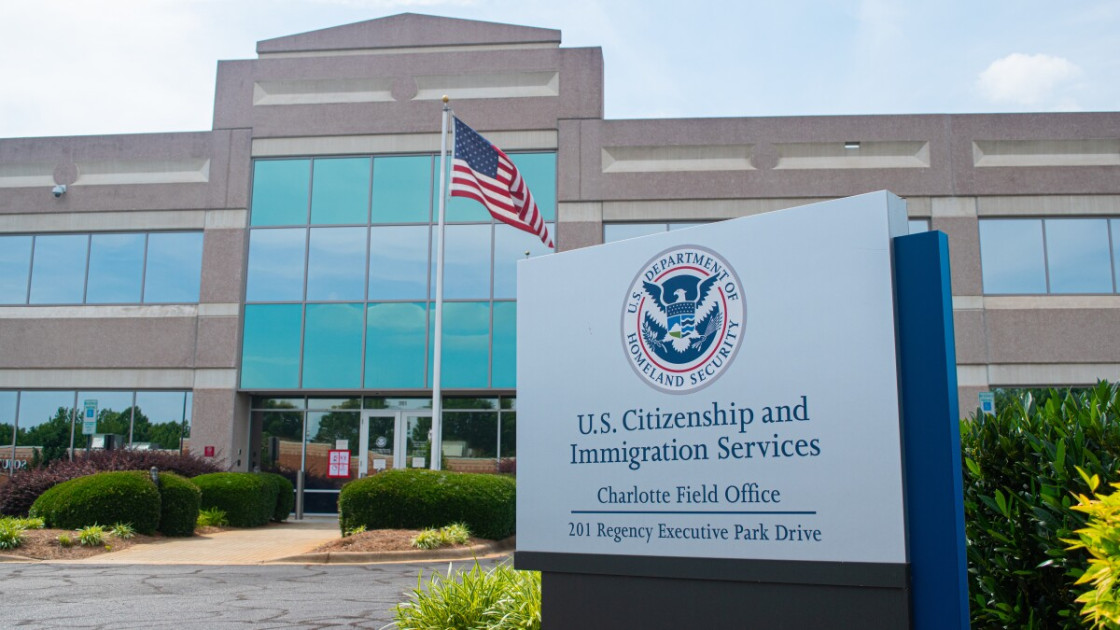
A New Ideological Gatekeeper
The new guidance is direct. It instructs USCIS officers, when making a discretionary judgment on a benefit like asylum or parole, to conduct social media vetting and reviews for “anti-American activity.”
“America’s benefits should not be given to those who despise the country and promote anti-American ideologies,” a USCIS spokesman stated. “Immigration benefits – including to live and work in the United States – remain a privilege, not a right.”
This policy effectively turns immigration officers into ideological gatekeepers, tasked with judging the thoughts and beliefs of applicants to determine if they are worthy of becoming part of our society.
A Constitutional Power, A Contradiction of Values
It is crucial to understand that, in a narrow legal sense, the administration likely has the constitutional authority to implement such a policy. The Supreme Court has long held that the political branches of government have “plenary power” over immigration, giving them broad discretion to decide who can and cannot enter the country.
But the question is not whether this is legal, but whether it is wise – and whether it is consistent with our nation’s most cherished values. The American system, rooted in the First Amendment, is built on the principle of the “marketplace of ideas.”
We have long held that the best way to combat bad ideas is not with censorship, but with better ideas. This new policy is a direct rejection of that principle. It suggests we are no longer confident enough to win a debate, but are now afraid to even allow those with dissenting views to enter the country.
The Danger of a Vague Standard
The most constitutionally perilous aspect of this new rule is its profound vagueness. What, precisely, is an “anti-American ideology”? The guidance provides no clear definition.
Does it mean disagreeing with U.S. foreign policy? Does it mean advocating for a different economic system, like socialism? Does it mean protesting the actions of a sitting administration? The term is so broad and undefined that it invites arbitrary and discriminatory enforcement by individual immigration officers, whose own personal politics could easily shape their interpretation.
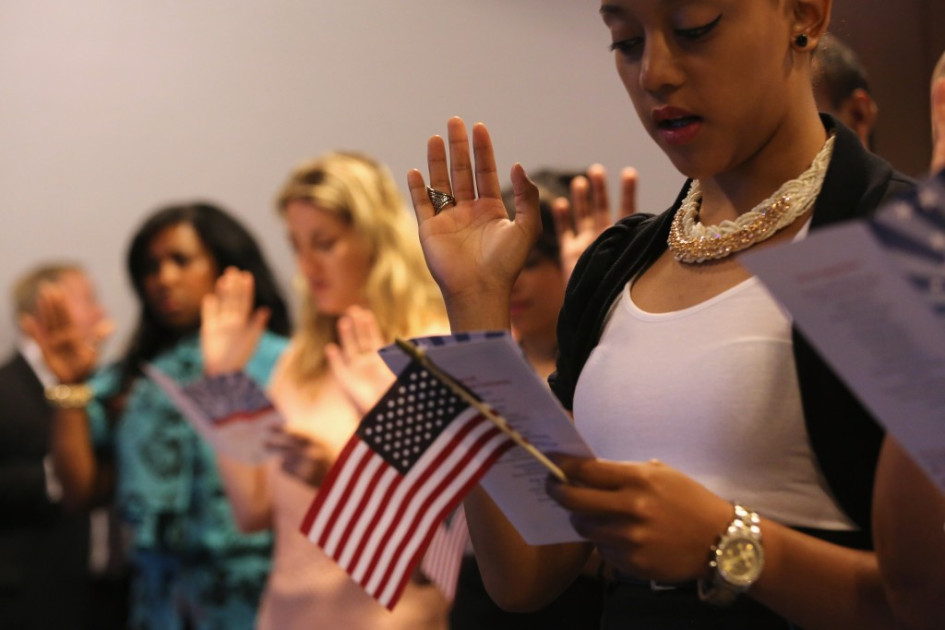
A core principle of due process is that laws and rules must be clear, so that people can understand what conduct is prohibited. This new standard is the opposite of clear. It is a subjective litmus test that gives immense, unchecked power to government bureaucrats to deny people entry to our country based on their own personal assessment of an applicant’s thoughts.
This new policy forces a moment of national self-reflection. America has long defined itself not by demanding ideological conformity, but by its unique confidence in the power of its own ideas of liberty and democracy.
A policy that seeks to bar individuals based on their “anti-American” thoughts is an expression of fear, not strength. It is a departure from the very principles of open debate and intellectual freedom that have, for centuries, been the true source of our nation’s greatness.
Free speech ain't free hate speech! Keep America strong and proud! MAGA!