
In a remarkably candid television interview this weekend, the man President Trump has put in charge of investigating the “weaponization” of the government has revealed a stunning and controversial investigative philosophy.
Ed Martin, the head of the Justice Department’s “Weaponization Working Group,” described a strategy that critics are calling a blueprint for “punitive fishing expeditions” – a practice that puts the Department of Justice on a collision course with the Fourth Amendment.
His comments have sent shockwaves through the legal community and have intensified the debate over whether the DOJ is correcting past abuses or creating dangerous new ones.
At a Glance: The DOJ “Fishing Expedition” Controversy
- What’s Happening: Ed Martin, head of the DOJ’s “Weaponization Working Group,” has described his group’s investigative strategy for targeting political figures.
- The Statement: He said when they find someone has done “something wrong,” they will “look at everything else that they’ve been doing,” because “when you’re a liar, you lie not just on one thing.”
- The Concern: Critics are calling this an open admission of “punitive fishing expeditions,” which violate long-standing constitutional norms against open-ended government snooping.
- The Constitutional Issue: This strategy appears to conflict with the Fourth Amendment’s requirement for investigations to be based on specific probable cause, not a general hunt for wrongdoing.
A Vow to Dig into ‘Everything’
The “Weaponization Working Group” is already conducting investigations into prominent Democratic figures who have clashed with President Trump, including New York Attorney General Letitia James and California Senator Adam Schiff.
While the initial investigations are reportedly focused on specific allegations of mortgage fraud, Ed Martin’s comments suggest the scope is intended to be much broader.
“We’re gonna go to the very bottom of the facts, and if somebody did something wrong, we’re not only gonna hold them accountable, we’re also gonna look at everything else that they’ve been doing… When you’re doing corruption, you generally don’t just do it on one thing.” – Ed Martin
This philosophy – that evidence of one potential wrongdoing grants the government license to rummage through a person’s entire life in search of others – is what legal experts find so alarming.

The Fourth Amendment’s Great Wall: Probable Cause
The Fourth Amendment to the U.S. Constitution is the great wall that stands between the power of government investigators and the privacy of the individual. It protects citizens from “unreasonable searches and seizures” and establishes two critical principles.
First, an investigation must be based on probable cause – a reasonable basis for believing a specific crime has been committed.
Second, any warrant must have particularity, meaning it must specify the person, place, and things to be searched. The government cannot simply get a warrant to investigate a person; it must get a warrant to investigate a crime.
“The Fourth Amendment was designed to prevent the very thing critics fear: the government targeting a person first, and then searching through their entire life to find a crime.”
Martin’s stated strategy appears to be in direct tension with this constitutional protection. It suggests a process of targeting individuals and then engaging in a general, open-ended search for any potential wrongdoing, which is precisely the kind of “fishing expedition” the Fourth Amendment was written to prevent.
A Chilling Echo of History
This investigative philosophy is not without historical precedent, and the parallels are deeply troubling to civil liberties advocates.
During his long tenure as FBI Director, J. Edgar Hoover notoriously used the full power of the federal government to investigate, harass, and attempt to blackmail his political enemies and those he deemed subversive, most famously the civil rights leader Dr. Martin Luther King Jr.
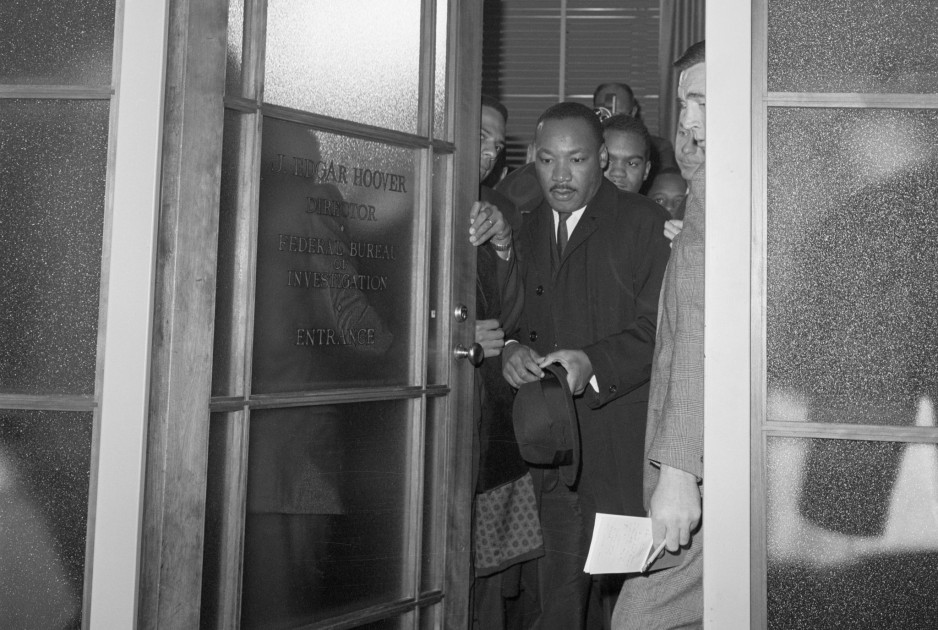
Hoover often used a legitimate, narrow investigation as a pretext to launch a broad, invasive surveillance campaign that dug into every aspect of his target’s personal life. The constitutional protections of the Fourth Amendment were designed to make this kind of abuse of power illegal.
The Weaponization Question
The great irony of this controversy is that the “Weaponization Working Group” was created under the premise of rooting out the improper use of government power for political ends.
Yet, the investigative strategy described by its own leader is now being condemned by legal experts as the very definition of weaponizing the justice system.
This is no longer a debate about past grievances. It is about the present-day conduct of the Department of Justice itself. It forces a critical question: In the name of fighting “weaponization,” is the DOJ creating a new and more dangerous one of its own?