
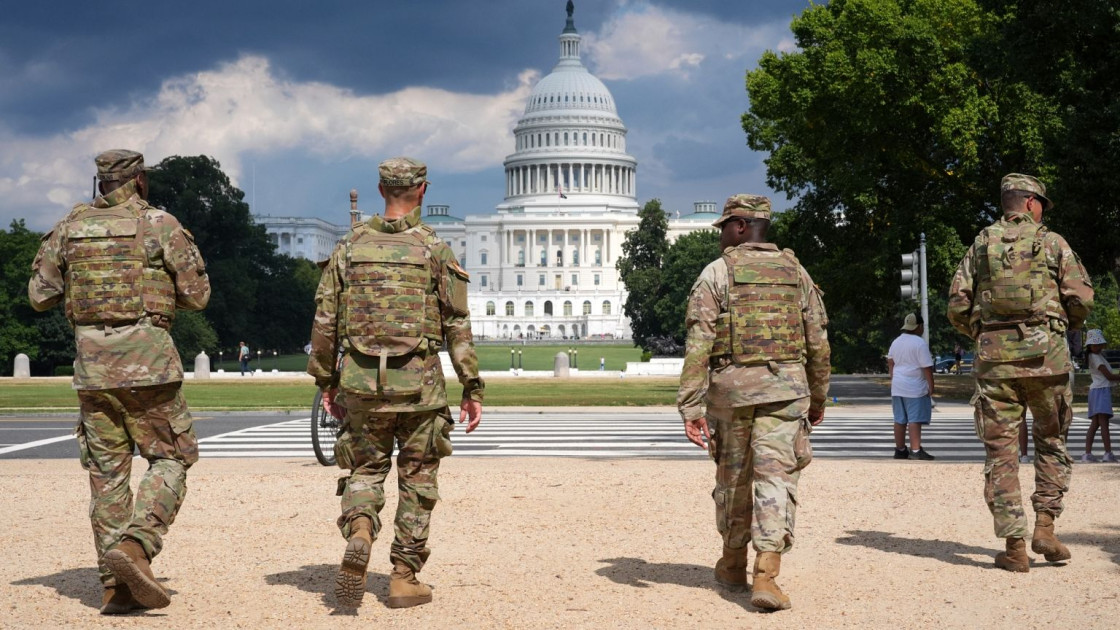
For days, the nation’s capital has been embroiled in a constitutional crisis, with the President of the United States asserting direct control over the city’s police force in a move unseen in over 50 years.
After a lawsuit from the city and a tense courtroom showdown, a fragile truce has been reached.
But the settlement, a complex compromise that leaves ultimate federal authority in place, does little to resolve the underlying tension. The episode is a stark reminder of Washington D.C.’s unique and constitutionally subordinate status, and the immense power a President can wield over the city he governs.
Quick Facts: The D.C. Police Standoff
- What’s Happening: The D.C. government and the Trump administration have settled a lawsuit over the President’s recent takeover of the city’s Metropolitan Police Department (MPD).
- The Settlement: A compromise. The administration retains federal control, but the DEA chief will not directly lead the MPD. Instead, he will direct the mayor, who must comply. Day-to-day command returns to the local police chief.
- The Law: The conflict is rooted in the D.C. Home Rule Act of 1973, a federal law that grants the President this emergency power.
- The Constitutional Issue: A major test of the District Clause (Article I, Section 8), which gives Congress, and by extension the President, unique and powerful authority over the nation’s capital.
A Fragile Compromise is Reached
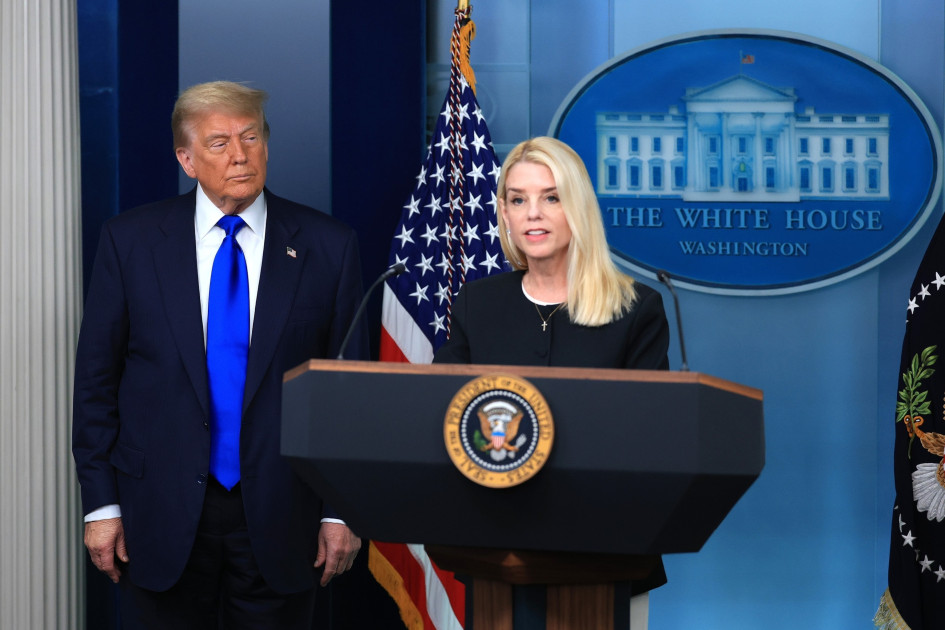
The immediate crisis was sparked when the Trump administration, after taking control of the MPD, named the head of the Drug Enforcement Administration (DEA), Terry Cole, as the new emergency leader of the city’s police force. This effectively sidelined the existing Chief of Police, Pamela Smith.
The city immediately sued.
The settlement reached on Friday is a carefully worded compromise. The administration retains its ultimate control over the police force. However, DEA Chief Cole is blocked from assuming direct command.
Instead, a new chain of command has been established: Cole, representing the federal government, must issue his directives through Mayor Muriel Bowser, who is then mandated to ensure the MPD complies. This restores a semblance of local control while keeping federal authority intact.
The Constitutional Quirk: Washington’s Unique Status
To understand how this is possible, one must understand that Washington D.C. is unlike any other city in America. It is not a state, and it does not have the same sovereign rights.
The District Clause of the Constitution (Article I, Section 8, Clause 17) explicitly gives the U.S. Congress the power to exercise “exclusive Legislation in all Cases whatsoever, over such District.”
For most of American history, Congress directly governed the city like a federal territory. In 1973, it passed the D.C. Home Rule Act, which delegated some of its power to a locally elected mayor and city council.
But Congress kept some strings attached. Crucially, the Home Rule Act retained a provision allowing the President to assume direct control of the city’s police force in an emergency. President Trump is the first president to invoke this power since the Act was passed.
“Unlike the 50 states, Washington D.C. is not a sovereign entity. It is a federal district whose powers are granted – and can be overridden – by the federal government, a reality laid bare by this week’s events.”
‘The President Can Ask, The Mayor Must Provide’
The legal battle played out before U.S. District Judge Ana Reyes. The D.C. Attorney General argued the federal takeover was “unlawful” and would “wreak operational havoc.”
The Trump administration’s lawyers argued that the President was well within his statutory authority.
During the hearing, Judge Reyes offered a remarkably insightful summary of her reading of the Home Rule Act’s power structure, a view that ultimately predicted the shape of the final settlement.
“The way I read the statute, the president can ask, the mayor must provide, but the president can’t control.” – U.S. District Judge Ana Reyes

The compromise – where the President directs the mayor, who must then ensure the police comply – almost perfectly mirrors the judge’s interpretation of the law.
An Uneasy Peace in the Capital
The immediate legal crisis has been defused. The specter of the DEA chief directly commanding D.C. police officers has been averted.
But the fundamental power dynamic has been starkly reaffirmed. President Trump has successfully demonstrated his ultimate authority over the city’s police force, a power no president had touched in over 50 years.
The settlement may have restored the local chain of command for now, but it has also established a new and potent precedent. The residents of Washington D.C., who have long fought for statehood and full self-governance, have been given a powerful reminder that their right to home rule is a privilege granted by Congress, not a constitutional guarantee.