
In recent years, actions like the mass layoffs at federal departments, the firing of independent officials, and the direct challenging of agency heads have sparked intense and often furious debate. Beneath these headlines lies a deep and long-running constitutional conflict over one of the most powerful and controversial ideas in American law: the unitary executive theory.
This is not a fringe legal doctrine; it is a theory that is actively shaping the modern presidency and driving many of the administration’s most significant actions. To understand this theory is to understand the fundamental constitutional battle over the very nature and limits of presidential power in the 21st century.
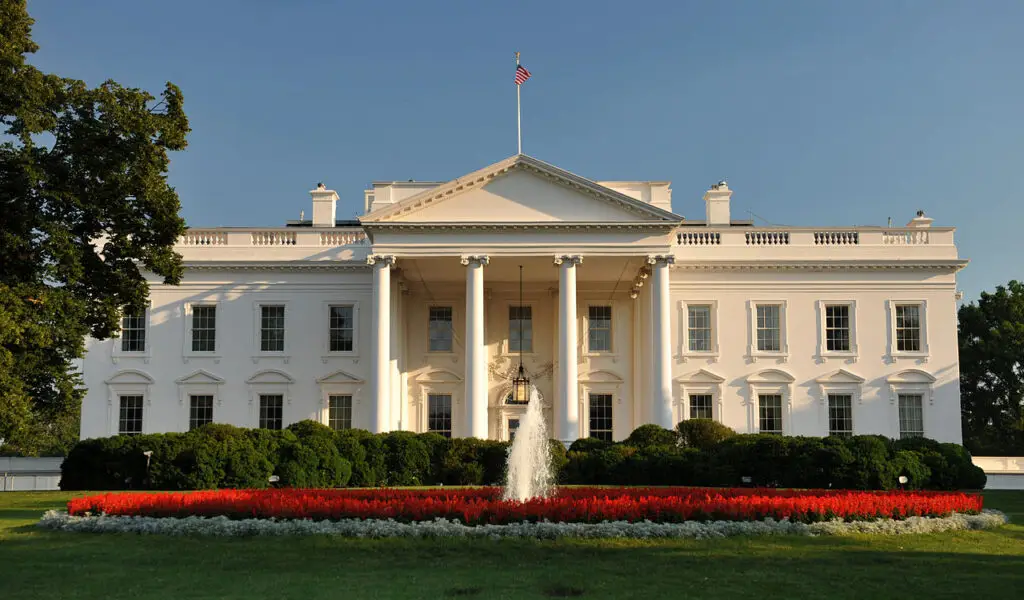
The Vesting Clause: A Single Sentence, A Profound Debate
The entire unitary executive theory is built on the foundation of the first sentence of Article II of the Constitution:
“The executive Power shall be vested in a President of the United States of America.”
This is known as the “Vesting Clause.” Proponents of the unitary executive theory read this sentence as a comprehensive and exclusive grant of power. In their view, it means that the President, and the President alone, controls the entirety of the executive branch and all of the power it wields.
The Case for a Unitary Executive: A Call for Accountability
The argument for this theory is rooted in a core principle of democratic accountability. Proponents contend that the vast, modern “administrative state” – the alphabet soup of federal agencies and bureaus – has become an unelected and unaccountable fourth branch of government.
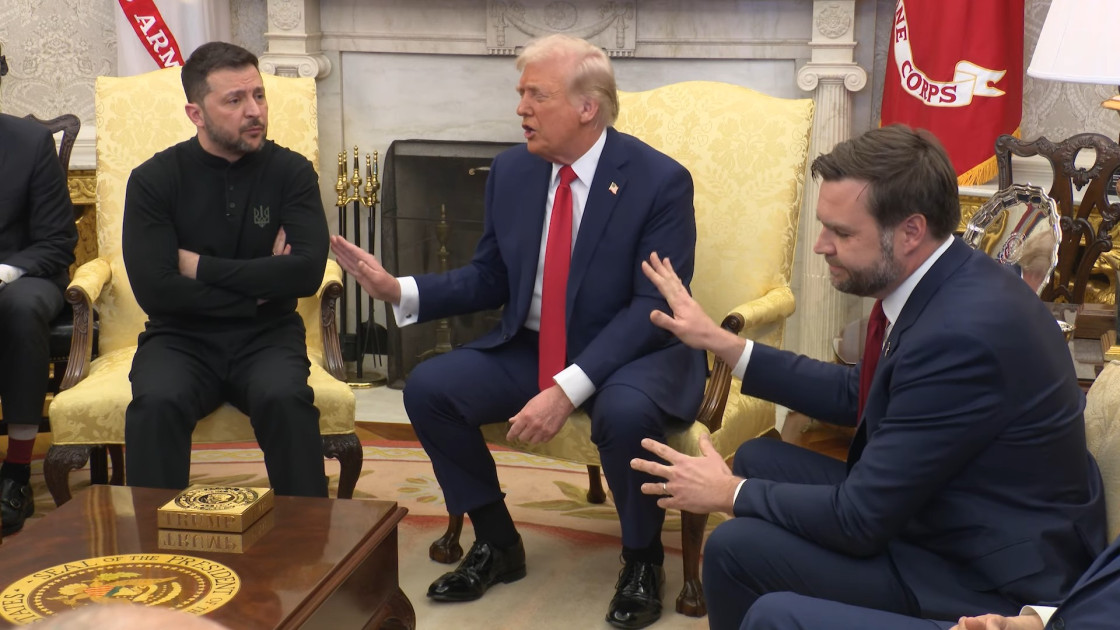
According to this view, for the President to be truly accountable to the American people who elected him, he must have the authority to direct and, if necessary, remove the officials who run these agencies. If the President cannot fire an official who is obstructing his agenda or failing to execute the law as he sees fit, then the voters have no one to hold responsible for the government’s actions. It is an argument for a strong, decisive, and efficient executive who can “drain the swamp” and make the government responsive to the will of the people.
The Case Against a Unitary Executive: A Fear of Unchecked Power
The counter-argument, held by a different school of constitutional thought, is that the unitary executive theory leads directly to an “imperial presidency” with dangerously unchecked power. Opponents argue that Congress, under its Article I powers to create offices and its Necessary and Proper Clause, has the authority to create “independent” agencies and insulate their leaders from at-will presidential firing.
This view holds that certain government functions – such as monetary policy at the Federal Reserve, ethics investigations at the Office of Special Counsel, or consumer protection at the Federal Trade Commission – must be protected from short-term political pressure to be effective. The Supreme Court has, at times, agreed, ruling in landmark cases like Humphrey’s Executor v. United States that Congress can indeed create limits on the President’s removal power for the heads of these quasi-legislative or quasi-judicial agencies. This is the constitutional argument for a system of checks and balances within the executive branch itself.
This is not a new debate, but it has become the central constitutional conflict of our time. It is a fundamental disagreement over the very nature of presidential power. The question is not a simple one of “draining the swamp” versus the “deep state,” but a profound constitutional dilemma with no easy answer.
How do we ensure the President is accountable to the people without granting him a level of power that threatens the very system of checks and balances the framers so carefully designed? The future of the American presidency will be shaped by how our generation answers that question.