
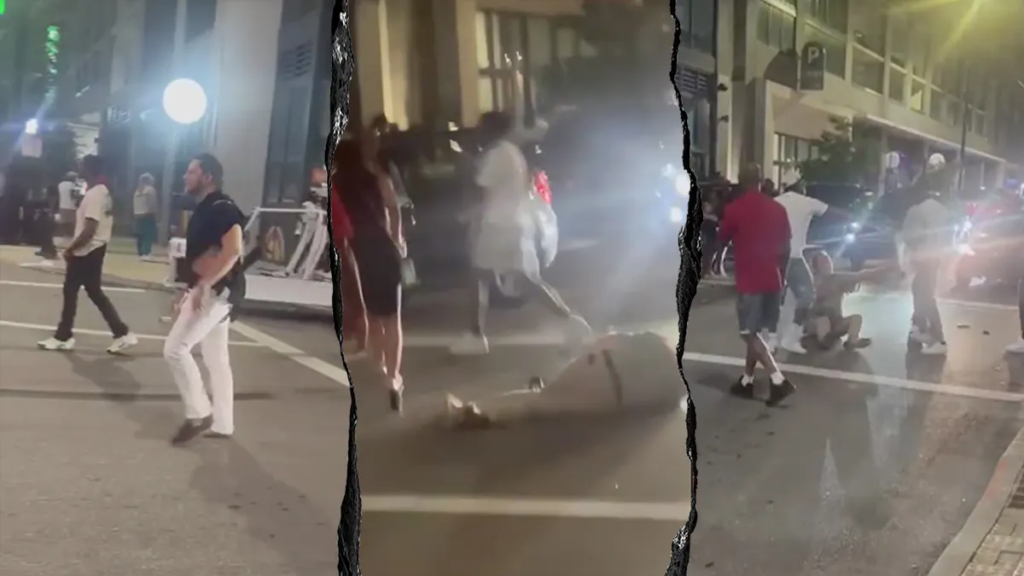
A packed Cincinnati courtroom crackled with tension on Thursday. On one side, prosecutors painted a picture of a vicious, unprovoked mob attack that shocked the nation. On the other, defense attorneys argued it was just a street fight, dangerously inflamed by politics and race.
In the middle sat a judge, tasked with weighing the raw emotion of a viral crime against the cold, hard principles of the U.S. Constitution.
The arraignment of the suspects in the Cincinnati beating has become more than a legal proceeding. It is a flashpoint in a national debate about justice, bail, and the presumption of innocence in the age of social media.
At a Glance: The Cincinnati Arraignment
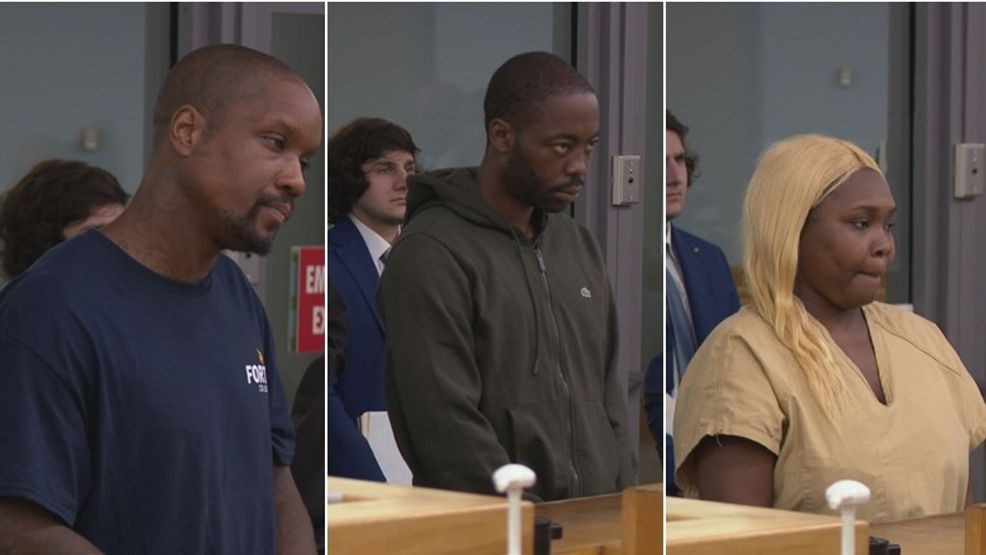
- What’s Happening: Five of the seven suspects in the viral Cincinnati beatdown of July 26 were arraigned on additional charges.
- Key Developments: A judge significantly lowered the bond for two suspects, sparking emotional reactions in the courtroom. The prosecutor also revealed the existence of two new, unreleased videos of the attack.
- The Arguments: The defense claims it was a simple “fight fueled by alcohol” that has been politicized. The prosecution alleges it was an unprovoked attack led by a primary instigator.
- The Constitutional Issue: The hearing is a powerful display of the Eighth Amendment’s prohibition on “excessive bail” and the constitutional guarantee of Due Process of Law for all accused persons.
A Hearing of High Drama and New Details
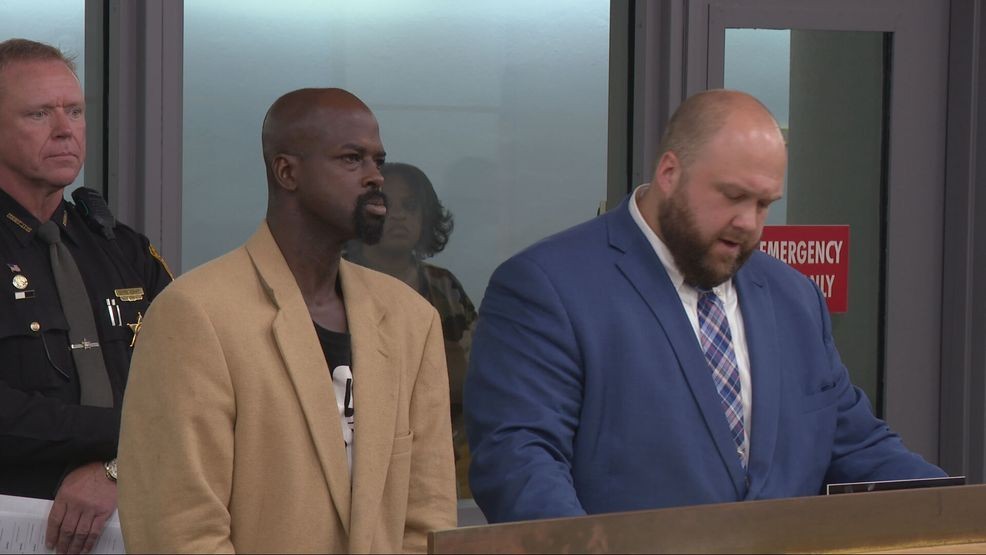
The arraignment hearing provided a tense and sometimes dramatic window into a case that has captured national attention. The prosecutor, Kip Guinan, revealed two crucial new pieces of information.
First, he announced that investigators have two additional videos from city cameras showing new angles of the attack, which have not yet been made public.
Second, he directly addressed the claim that the suspects were reacting to racial slurs. Guinan told the court that the alleged slurs were uttered nearly two minutes after the physical assault had already begun, challenging the narrative that the slurs were the catalyst.
The hearing was punctuated by emotion.
When Judge Alan Triggs slashed the bond for suspect Dekyra Vernon from $200,000 to $25,000, cheers erupted from her supporters in the gallery.
The Eighth Amendment and Bail
The drama over bond amounts is a real-time application of a core constitutional protection: the Eighth Amendment, which prohibits “excessive bail.”
It is a common misconception that bail is a form of pre-trial punishment. Its constitutional purpose is twofold: to ensure that a defendant, who is presumed innocent until proven guilty, will return for their trial, and to protect the safety of the community.
“Every bond decision is a constitutional tightrope walk, balancing an individual’s right to liberty before trial against the public’s right to safety.”
The judge’s varying decisions reflected this balancing act. The bond for Montanez Merriweather, who now faces an additional federal charge for being a felon in possession of a firearm, was kept at a high $500,000. But the bond for Aisha Devaughn was lowered significantly after her attorney highlighted her lack of prior felonies, arguing she was neither a flight risk nor a lasting danger.
Two Competing Narratives
The hearing laid bare the two completely different stories that will be at the heart of the eventual trial.
The prosecution argues this was a coordinated and unprovoked attack. Guinan identified Jermaine Matthews as the “leader” and “the man who started it.”
The defense attorneys paint a different picture. Matthews’s lawyer insisted his client was “slapped” by one of the victims at the start of the altercation. Vernon’s attorney argued the entire case was a simple “fight fueled by alcohol” that has been unfairly magnified by politics and racial tension.
Due Process in the Public Square
The brutal video of the Cincinnati attack has been viewed by millions. For many, a conclusion has already been reached.
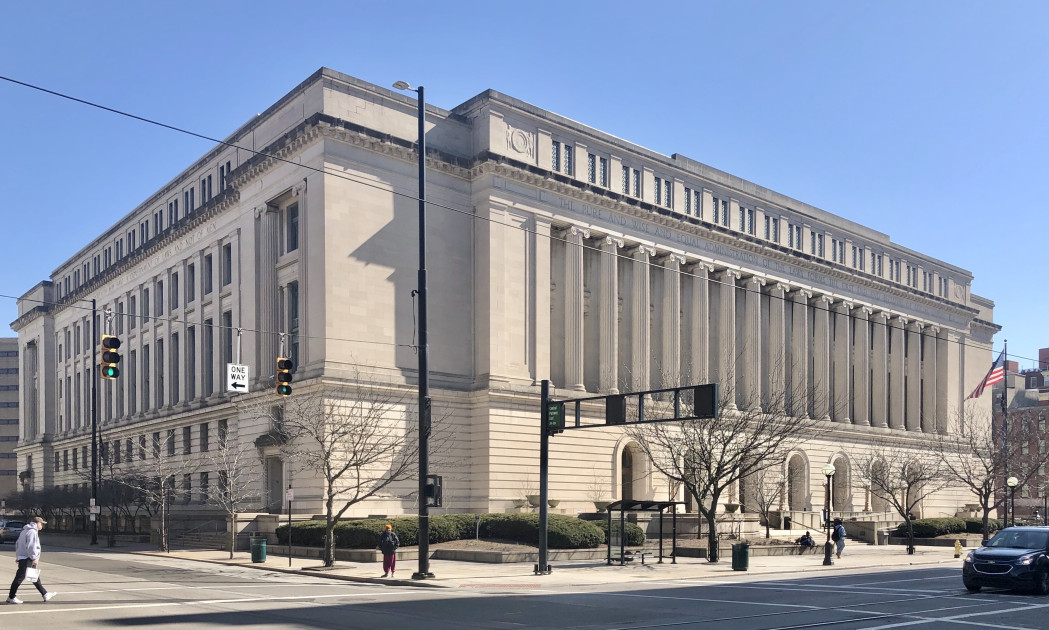
But the scene inside the Hamilton County courthouse is a powerful reminder of the constitutional process that must unfold, regardless of public outrage. The principles of due process – the right to counsel, the presumption of innocence, and the right to reasonable bail – are not suspended when a crime goes viral.
The Cincinnati case will be a major test of whether our dispassionate legal process can function under the intense heat of the national spotlight, and whether the public can separate the shocking images on their screens from the methodical search for justice in the courtroom.