
Within 48 hours, two American leaders declared a state of emergency over crime. First, the President of the United States federalized the police in the nation’s capital to combat a purported “crime crisis.” Then, the Democratic Governor of New Mexico declared her own state of emergency to combat a very real and documented drug and violence crisis in one of her state’s counties.
These two events, while superficially similar, provide a powerful and essential lesson in the principles of American federalism. They offer a real-time, side-by-side comparison of the proper, constitutional use of executive power versus a dangerous political overreach.
One is a story of cooperative governance; the other, of a coercive federal takeover.

A Crisis in D.C., A Crisis in New Mexico
The President’s action in Washington, D.C. was justified by a narrative of a city in a state of collapse. However, as has been widely reported, this narrative was built on a foundation of cherry-picked and outdated statistics.
While Washington has been a relatively high-crime place for decades, with a homicide rate that has persistently been among the country’s worst for big cities, at the time of the federal takeover, violent crime in the District was actually at a 30-year low.
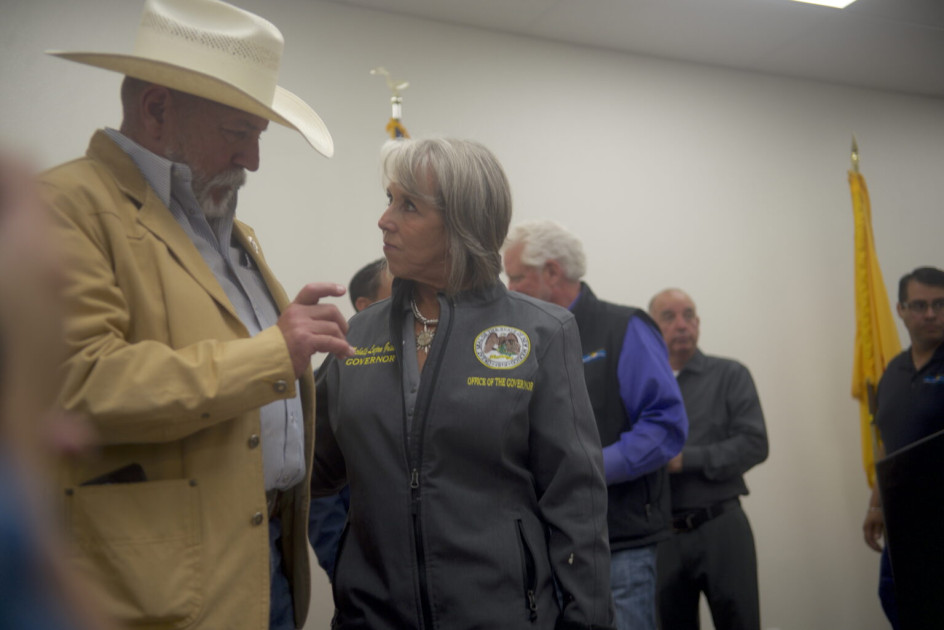
In stark contrast, Governor Michelle Lujan Grisham’s emergency declaration in New Mexico’s Rio Arriba County was a direct response to a documented and overwhelming crisis. Police calls in the area have more than doubled in two years, and the county suffers from the highest overdose death rate in the state. Crucially, the Governor’s action came after direct pleas for assistance from local and tribal leaders who said their resources were “overwhelmed.”
The Constitutional Difference: Federalism in Action
This is where the constitutional distinction becomes crystal clear. The power to protect the health, safety, and welfare of citizens – the “police power” – is a authority that the 10th Amendment reserves to the states. Governor Lujan Grisham’s action is a textbook example of a state executive exercising her proper constitutional authority to address a crisis within her borders.
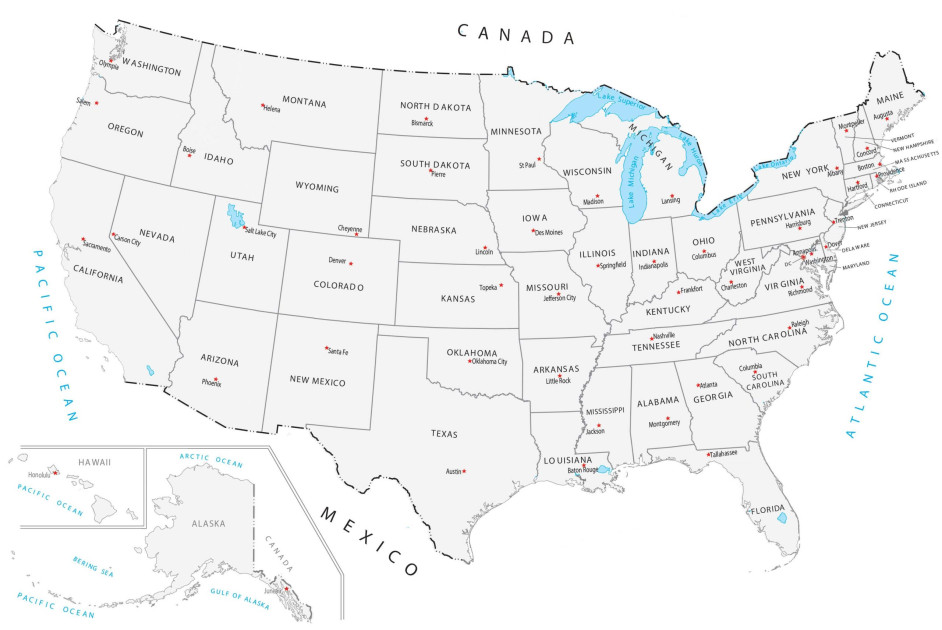
The President’s action in D.C., however, is a constitutional anomaly. He is able to take control of a local police force only because of the District Clause in Article I, which grants the federal government ultimate authority over the capital. A similar unilateral federal takeover of a county in New Mexico would be a flagrant and unconstitutional violation of state sovereignty.
Process and Pretext
The legitimacy of an emergency action depends not just on the raw legal authority, but on the factual basis for it and the process by which it is initiated.
The New Mexico declaration was a bottom-up response. It was requested by local leaders, based on verifiable data, and implemented through the state’s own legal framework. It is an example of cooperative governance within our federalist system.
The D.C. takeover was a top-down imposition of federal will. It was initiated by the President, against the initial wishes of local leaders, and was justified by a questionable pretext. It represents the use of a constitutional loophole to assert federal power for political purposes.
These two events, occurring in the same week, offer a powerful lesson. One represents a constitutional process working as intended: a state leader responding to a local crisis using her proper authority. The other represents the use of a constitutional anomaly to justify a federal power grab based on a manufactured crisis. The contrast between the two is a sober reminder of the importance of federalism and the dangers that arise when the lines of constitutional authority are blurred for political ends.