
A President Does Not “Allow” a Lawsuit: A Threat to the Rule of Law
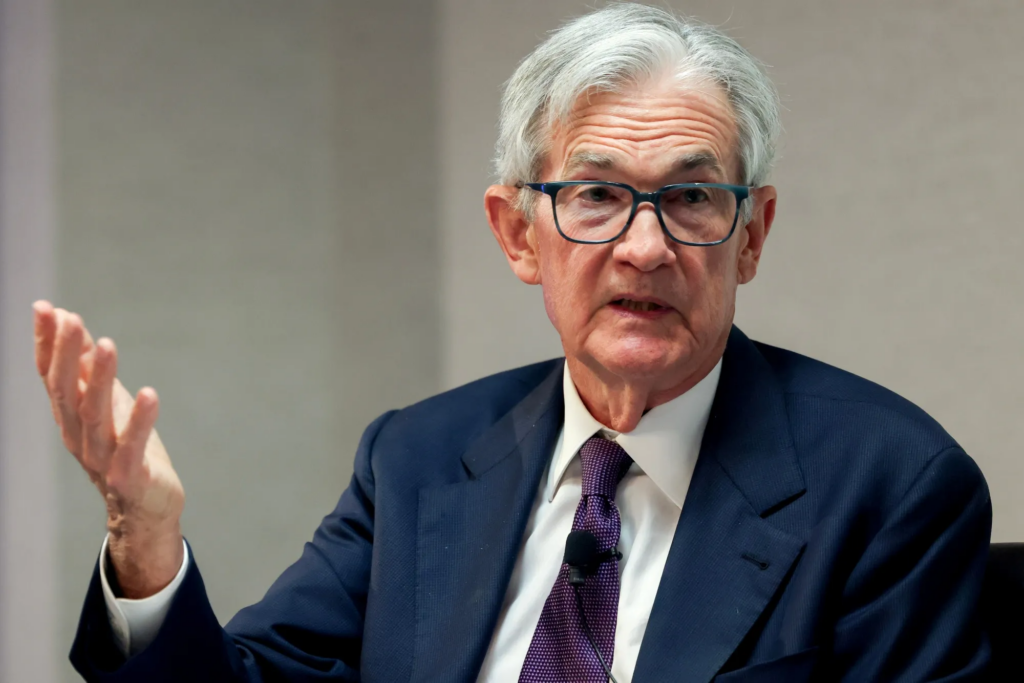
In his escalating war on the independence of the Federal Reserve, President Trump has unveiled a new and constitutionally dangerous tactic. He announced on Tuesday that he is “considering allowing a major lawsuit against [Fed Chair Jerome] Powell to proceed,” citing alleged incompetence in the management of a building renovation.
This is not another casual insult. It is a profound and alarming statement that reveals a deep misunderstanding of – or disregard for – the American system of justice.
The idea that a president can “allow” a lawsuit to proceed as if it were a weapon to be deployed at his command is a direct assault on the separation of powers and the very principle of the rule of law.
A New Pretext: The “For Cause” Maneuver
To understand the gravity of this threat, one must understand the legal guardrails around the Federal Reserve. Congress, in the Federal Reserve Act, deliberately insulated the central bank from political pressure by stipulating that a president can only fire a Fed Chair “for cause.”
This is a high legal bar, meant to cover actual malfeasance, not a simple disagreement over interest rate policy.
The President’s previous public insults and pressure campaigns have failed to dislodge Powell. This new focus on the Fed’s headquarters renovation, and the suggestion of a lawsuit based on allegations of false testimony from congressional Republicans, appears to be a calculated attempt to manufacture a “for cause” justification. It is an effort to find a legal pretext to do what the law otherwise forbids: remove an independent official for political reasons.
The President is Not a King
The most constitutionally troubling aspect of the President’s statement is the language itself. In our republic, a president does not “allow” lawsuits to proceed. Citizens, organizations, and prosecutors file lawsuits based on the law and evidence. The independent judiciary then hears those cases.
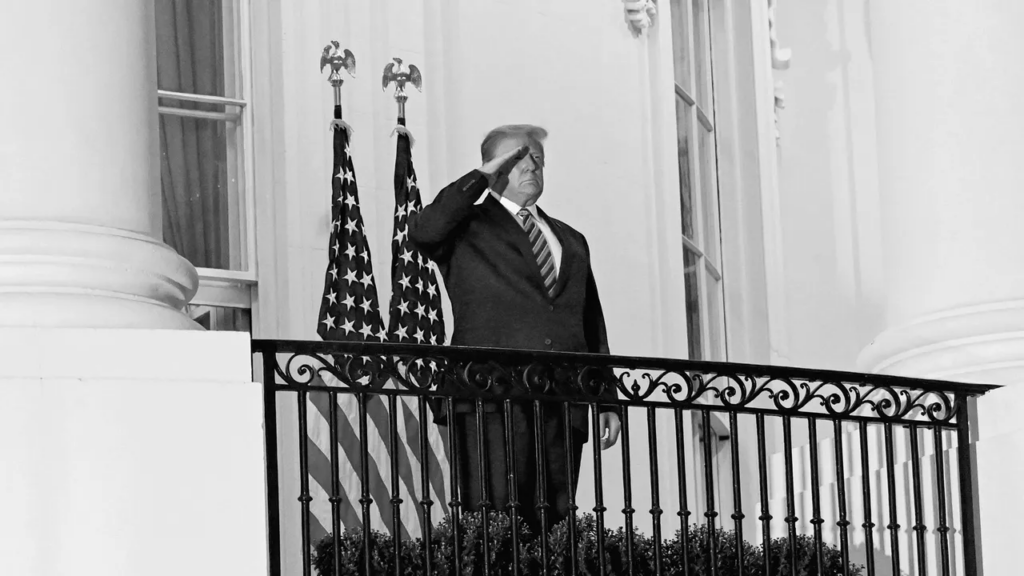
The President’s framing betrays a worldview in which he sees the justice system not as a co-equal branch of government, but as an instrument of his own executive will – a tool to be unleashed or withheld at his discretion. This is the logic of a monarch, not a constitutional president.
The President’s duty under Article II is to “take Care that the Laws be faithfully executed,” which requires him to preside over an impartial system of justice, not to direct it against his political adversaries.
An Institution Under Siege
Whether the President ultimately succeeds in ousting Powell is, in some ways, beside the point. The relentless campaign of threats, insults, and now pretextual legal maneuvering does its own profound damage.
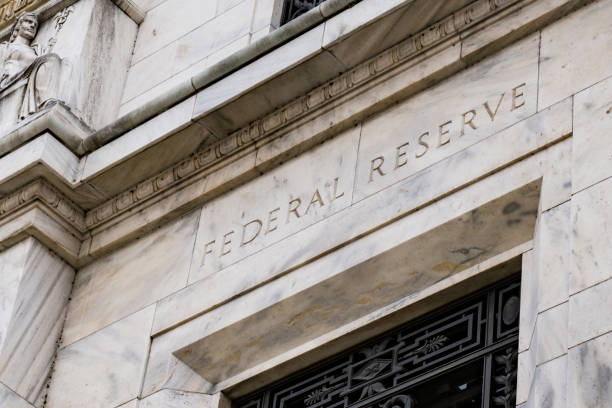
The independence of the Federal Reserve is a cornerstone of American economic stability. The world’s financial markets rely on the belief that its decisions are driven by data, not by political fear. Every threat from the White House erodes that credibility, creates uncertainty, and makes the difficult job of managing the economy infinitely harder.
This latest threat is the most dangerous yet. It moves beyond political pressure and into the realm of using the legal system itself as a tool of coercion. A president who believes he can “allow” lawsuits against the officials of an independent agency is a president who has rejected the constitutional limits of his office. The long-term health of our republic depends on these institutional guardrails holding firm against such pressure.