
As rescue workers searched for victims in the churning floodwaters of the Guadalupe River, a local official in the hardest-hit county was privately mocking the nation’s top emergency management leader as “Homeland Barbie.”
This stunningly cavalier text message, revealed in a trove of public records, is more than just a personal embarrassment for Kerrville City Manager Dalton Rice.
It has become a symbol of a catastrophic, multi-level government failure – from the local riverbanks to the halls of Washington – that is now under intense scrutiny following one of the deadliest flash floods in Texas history.
A Catastrophe and a Casual Text
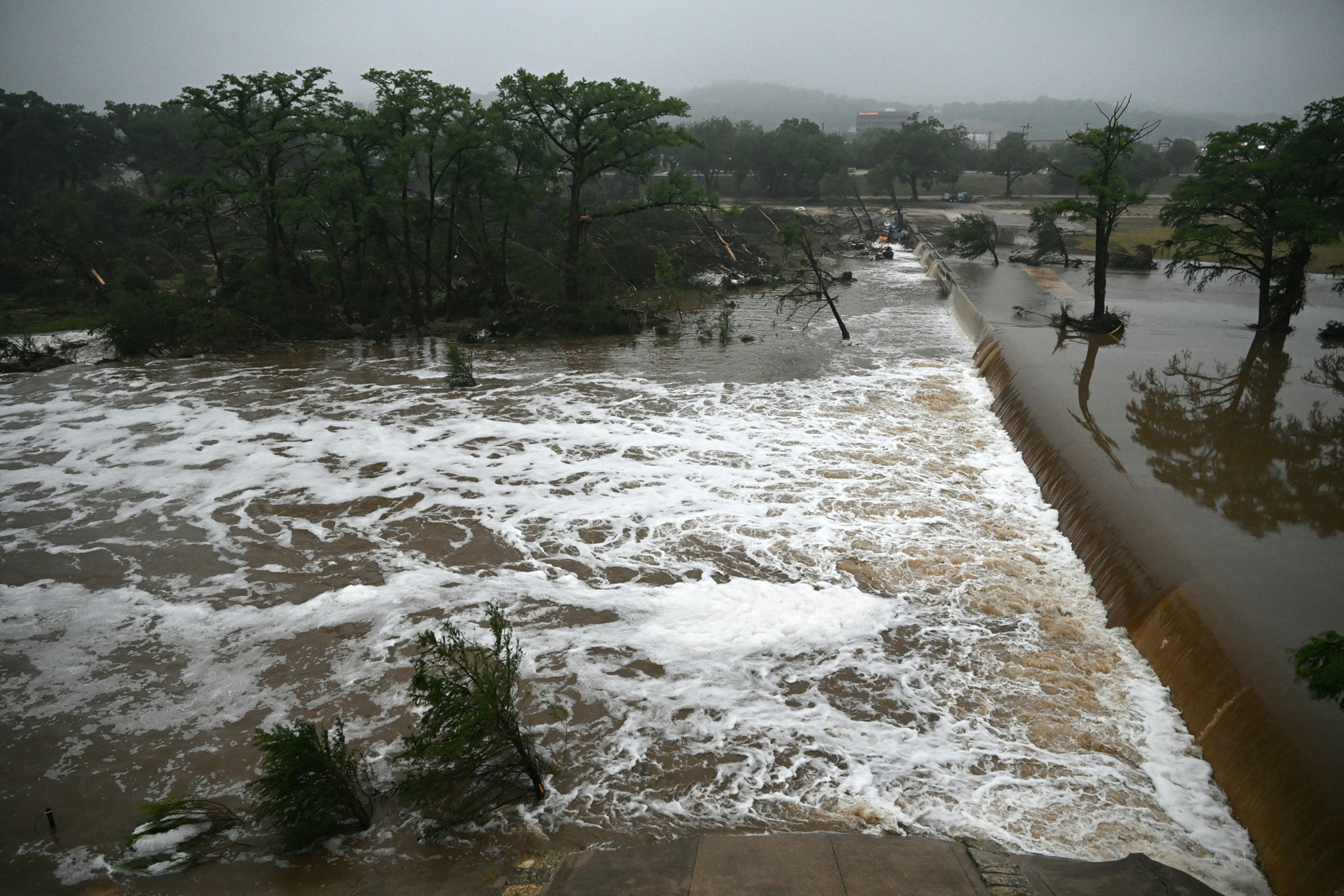
The tragedy that struck the Texas Hill Country on July 4th was devastating. Catastrophic flooding claimed at least 137 lives, with 108 of those fatalities occurring in Kerr County alone. The dead included 27 campers and staff at Camp Mystic, a century-old girls’ summer camp.
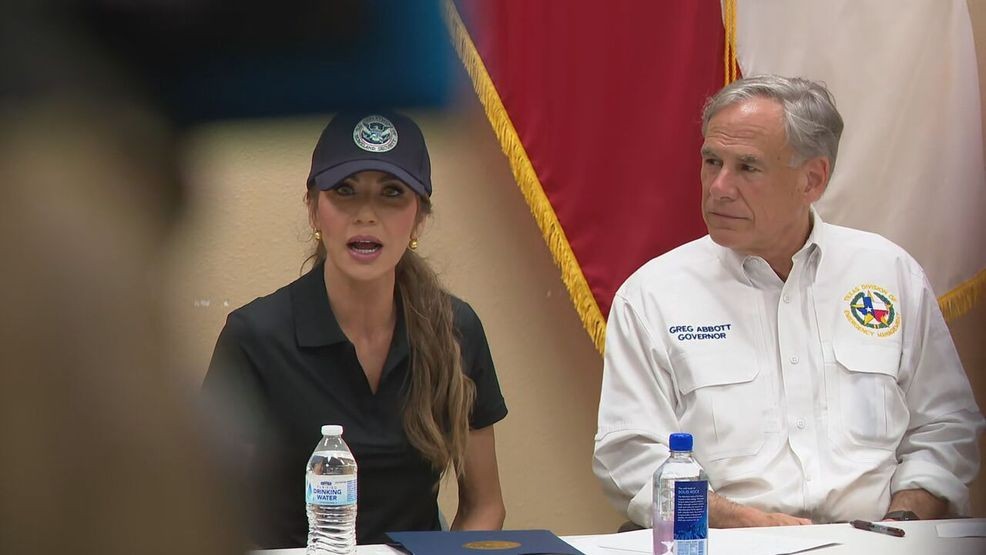
As federal, state, and local officials scrambled to manage the crisis, newly released text messages show a jarringly casual exchange. Hours before a press conference with DHS Secretary Kristi Noem, a city employee texted City Manager Dalton Rice: “Just saw you met Homeland Barbie. How is she?”
Rice replied: “Basically Homeland Barbie,” followed by a string of laughter.
A System of Shared Responsibility
The “Homeland Barbie” text has drawn public outrage, but it is just one piece of a much larger story of systemic failure.
Disaster response in the United States is the ultimate test of American federalism – the complex constitutional partnership between local, state, and federal governments. The primary responsibility for public safety rests with the states under the Tenth Amendment, with the federal government providing massive support under laws like the Stafford Act once a disaster is declared.
When this partnership works, it is a powerful force for good. When it breaks down, the consequences are lethal.
“Disaster response is the ultimate test of American federalism, a complex partnership between local, state, and federal governments. In Texas, it appears every level of that partnership failed in some way.”
A Cascade of Failures
The finger-pointing in the wake of the flood has been directed at every level of government.
Local: The newly released documents suggest Kerrville officials were “largely unprepared” for a flood of this magnitude, with the city manager’s text seen as evidence of a cavalier attitude.
State: For years, Texas officials have resisted calls to implement a modern siren warning system along the notoriously flood-prone Guadalupe River, a decision critics say cost dozens of lives.
Federal: The Trump administration is facing sharp criticism from Democrats like Senator Chris Murphy, who allege that FEMA’s readiness was undermined by political firings. Questions are also being raised about the administration’s new Department of Government Efficiency (DOGE), which dismissed a key National Weather Service emergency coordinator just months before the disaster.
The Political Aftermath
The search for answers has predictably descended into a partisan blame game.
Secretary Noem has fiercely defended the federal response, stating that over 700 FEMA personnel and the Coast Guard were deployed within hours of being requested. She has blasted criticism as “all politics” and a “disservice to our country.”
“In the wake of a tragedy that claimed 137 lives, the search for answers has quickly become a search for political advantage.”
But for the families of the victims, the political debate is a sideshow. Their focus is on the chain of decisions that left their loved ones vulnerable in the path of a predictable disaster. Authorities are now investigating whether officials at Camp Mystic, for example, received and acted upon timely flash flood warnings.
A Demand for Accountability
The “Homeland Barbie” text, while inflammatory, is a symptom of a much larger disease of perceived incompetence and indifference.
The devastating loss of life has created an overwhelming public demand for real accountability and systemic change. The finger-pointing between local, state, and federal officials will continue, but the core question for the residents of the Texas Hill Country is simple: Who will fix this broken system to make sure this never happens again?