
The American dream has long been tied to the land – the right to own a piece of it, to cultivate it, to build a home on it. Now, a new and aggressive legislative push in Congress is seeking to restrict who, exactly, can buy into that dream.
Citing an urgent threat to national security, a group of Republican lawmakers, with the backing of the White House, is proposing a sweeping ban on Chinese entities purchasing American farms and homes.
The proposal has ignited a fierce debate, pitting legitimate concerns over a foreign adversary against fundamental questions of property rights, equal protection under the law, and the proper role of the federal government.
A ‘Frontal Assault’ on a Perceived Threat
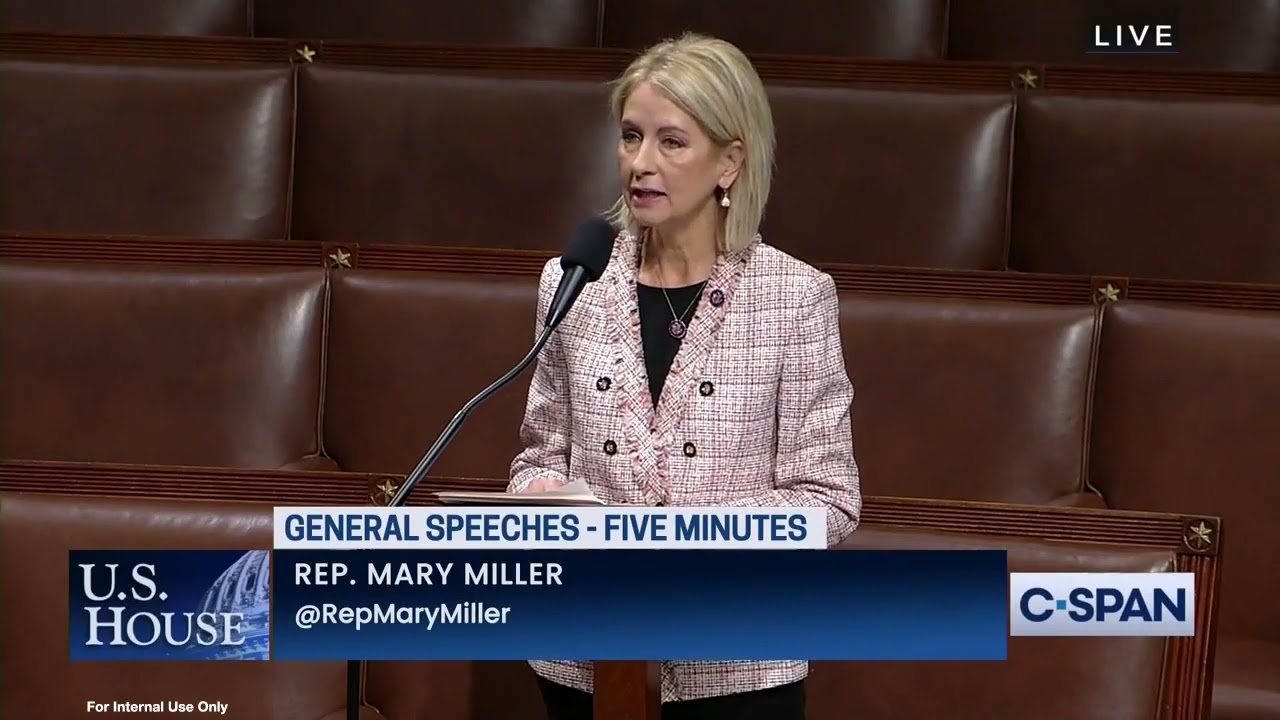
The legislation, introduced in the House by Representative Mary Miller of Illinois and in the Senate by Senator Josh Hawley of Missouri, is direct and unambiguous in its goals.
The bill would prohibit Chinese corporations and individuals deemed to be affiliated with the Chinese Communist Party (CCP) from acquiring or leasing any agricultural land in the United States. It would also place a renewable two-year ban on their ability to purchase residential real estate.
The penalties are severe, including steep financial fines, up to five years in prison, and perhaps most significantly, the forfeiture and public auction of any land acquired illegally.
“The Chinese Communist Party is the greatest threat to our national security, and their aggressive push to buy up our farmland and homes is a direct attack on our sovereignty.” – Rep. Mary Miller
Putting the Numbers in Context
The push for this legislation is fueled by alarming statistics. According to the Department of Agriculture, Chinese entities now control roughly 265,000 acres of American agricultural land.
While that number sounds vast, providing the full context is essential for an informed debate. According to the USDA’s most recent data, all foreign entities combined own about 3.4% of U.S. agricultural land.
“While 265,000 acres is a vast area, it represents less than one percent of all foreign-held agricultural land in the United States – a crucial piece of context in this heated debate.”
The concern for lawmakers is not necessarily the current quantity, but the rapid growth in these acquisitions and their strategic nature, with some purchases located near sensitive U.S. military installations.
The Constitutional Crossroads
This proposed ban, however well-intentioned from a national security perspective, runs directly into a minefield of constitutional questions.
The most significant hurdle is the Fourteenth Amendment’s Equal Protection Clause. Any law that discriminates on the basis of national origin is subject to the highest level of judicial scrutiny. Courts would have to be convinced that the national security threat is so compelling that it justifies a policy that specifically targets buyers from one country. Crafting a law that legally defines and targets a “CCP affiliate” without unconstitutionally discriminating against people of Chinese descent would be an immense legal challenge.

The bill also raises profound questions of federalism. Property and land use laws have traditionally been the domain of the states. A sweeping federal law dictating who can and cannot buy land would represent a significant expansion of federal power into an area that dozens of states already regulate with their own laws on foreign land ownership.
The White House Weighs In
This legislation is not a fringe idea. It aligns perfectly with President Trump’s “National Farm Security Action Plan,” a high-level initiative led by the Secretaries of Agriculture, Defense, and Homeland Security, along with the Attorney General.

The administration has made it clear that it views the security of the nation’s food supply as a critical component of national security. This bill provides the legislative teeth for a policy priority that has been developing in the White House for months, signaling a coordinated effort between the executive and legislative branches.
Security vs. Principle
The debate over this bill forces a confrontation with difficult trade-offs. It is fueled by a genuine and growing concern about the strategic intentions of an adversarial government that is also a major economic partner.
However, the proposed solution challenges some of America’s most cherished constitutional principles: the right to own and sell property, the promise of equal protection under the law, and the traditional balance of power between Washington and the states.
The debate over this bill is about more than just acres of land; it’s about how America defines its enemies and how far it is willing to go to protect itself – even if it means challenging its own foundational values.