
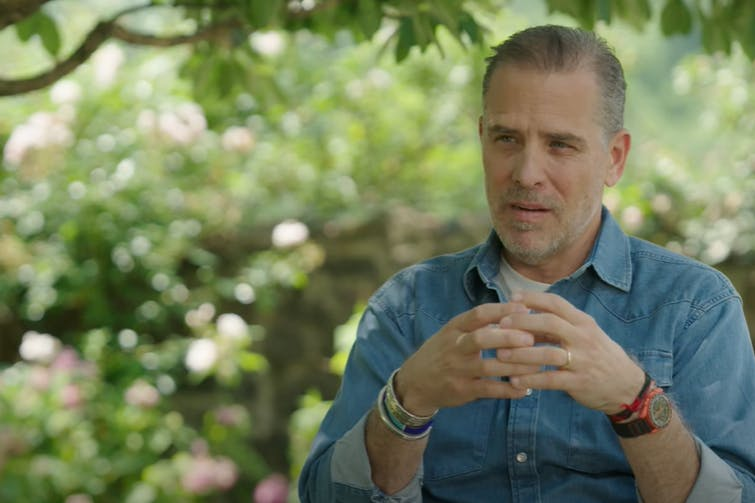
A former first son, shielded from legal jeopardy by a sweeping presidential pardon, has re-emerged with a series of stunning, behind-the-scenes revelations about the collapse of his father’s presidency. In an expletive-filled and raw interview, Hunter Biden has not only settled scores with his father’s political rivals but has, perhaps unintentionally, provided a crucial and tragic case study in a major constitutional failure.
This is not mere political gossip. Hunter Biden’s account of an exhausted, medicated president being forced from the 2024 race by an internal party mutiny is a story about what happens when our formal constitutional safeguards are ignored. It is a real-world look at a crisis of presidential fitness, and how it was resolved not by the orderly process of the 25th Amendment, but by a chaotic political coup.
How We Got Here: A Timeline of a Political Collapse
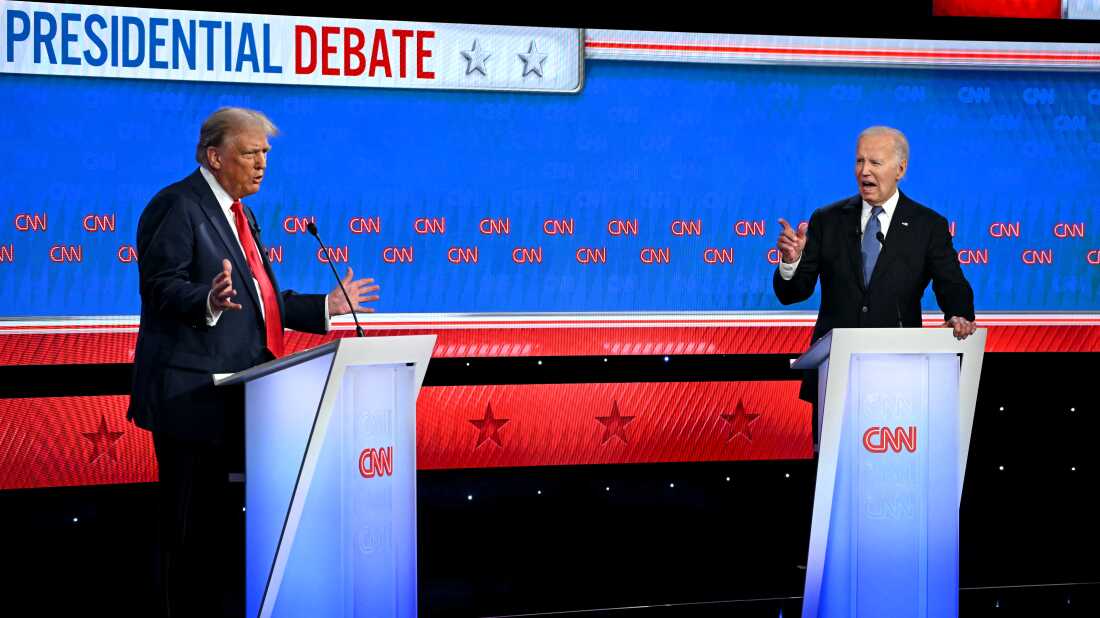
To understand the weight of Hunter Biden’s new claims, we must first revisit the summer of 2024. The political career of President Joe Biden effectively ended during a ten-day span that began with a disastrous debate performance and ended with a COVID-19 diagnosis.
June 27, 2024: President Biden delivers a halting, often confused performance in the first presidential debate against Donald Trump, sparking immediate panic within the Democratic Party.
Late June / Early July: A wave of high-profile Democrats, including actor George Clooney and political strategists James Carville and David Axelrod, publicly call for the President to step aside.
July 12, 2024: In an attempt to quell the revolt, President Biden gives a press conference where he appears to confuse the leaders of Ukraine and Russia, further fueling concerns.
July 17, 2024: The White House announces the President has tested positive for COVID-19. As Hunter Biden recalled, the images of his ailing father were “devastating.”
July 21, 2024: President Biden formally withdraws from the presidential race and endorses Vice President Kamala Harris.
A Son’s Testimony: The Key Confessions
In the interview, a visibly angry Hunter Biden provided an unfiltered account of his father’s final weeks in the 2024 race, painting a portrait of a president under immense physical and political pressure.
On the disastrous June debate performance, he offered a stunning, firsthand explanation:
“He flew around the world. He’s 81 years old. He’s tired. They give him Ambien to be able to sleep and he gets up on the stage and looks like a deer in the headlights.”
He described the subsequent revolt within the Democratic Party not as a series of polite suggestions, but as a direct threat delivered by party “vultures”:
“What I felt happened is that he was given a choice … They said, ‘We are going to blow up the party if you don’t drop out.’”
Finally, he cast his father’s withdrawal as an act of sacrifice, lashing out at those like George Clooney who had called for it:
“What right do you have to step on a man who’s given 52 years of his f—— life to service of this country… So Joe Biden, I think, did the most selfless thing… He stepped aside to save the party.”
On Immigrants and Addiction
Beyond the bombshell political revelations, the recent, freewheeling interview with Hunter Biden offered a raw and unfiltered look into the worldview of a man who has spent years at the center of America’s political storms. His commentary touched on a wide range of topics, including a forceful, if crude, defense of the role of immigrants in the American economy.
In a moment of anger directed at the current administration’s deportation policies, he posed a stark, rhetorical question:
“How do you think your hotel room gets cleaned? Who do you think washes your dishes?”
The statement was a visceral defense of the immigrant labor that underpins much of the nation’s service industry.
The interview was also shadowed by his well-documented past struggles with addiction. While not dwelling on his past use of crack cocaine and alcohol, the topic was unavoidable in the context of a recently reopened FBI probe into cocaine found in the White House in 2023.
Hunter Biden firmly denied the drugs were his, stating for the record, “I have been clean and sober since June of 2019. I have not touched a drop of alcohol or a drug, and I’m incredibly proud of that.”
His comments, on both the value of immigrant labor and his own journey to sobriety, paint a picture of a man deeply familiar with the experience of being cast as a societal outsider.
They provide a rare, if chaotic, glimpse into the personal toll of a life lived under the relentless scrutiny of the American public.
The 25th Amendment: The Constitutional Tool That Was Never Used
This chaotic sequence of events is precisely the kind of crisis the 25th Amendment was designed to manage. Ratified in 1967, Section 4 of the amendment provides a clear, orderly, and legal process for when a president is “unable to discharge the powers and duties of his office.”
It empowers the Vice President, together with a majority of the Cabinet, to make that determination and transfer power peacefully.
Hunter Biden’s account reveals that this constitutional safeguard was completely ignored.
Instead of a sober, official process led by the nation’s highest officials, the country witnessed a political shakedown. According to the former president’s son, his father was given an ultimatum by party insiders: “We are going to blow up the party if you don’t drop out.”
The decision was made not based on a constitutional determination of fitness, but to “save the party” from a convention floor fight. This is a case study in the failure of the 25th Amendment, where political calculation and fear replaced constitutional duty.
A Question of Capacity and the Power of the Pardon
The most explosive new claim from the interview is that President Biden’s debate performance was affected by medication. “He’s 81 years old, he’s tired as shit. They give him Ambien to be able to sleep,”
Hunter Biden said. “He gets up on the stage and looks like he’s a deer in the headlights.”
This allegation raises profound questions about the former President’s capacity and judgment at a critical moment of his presidency.
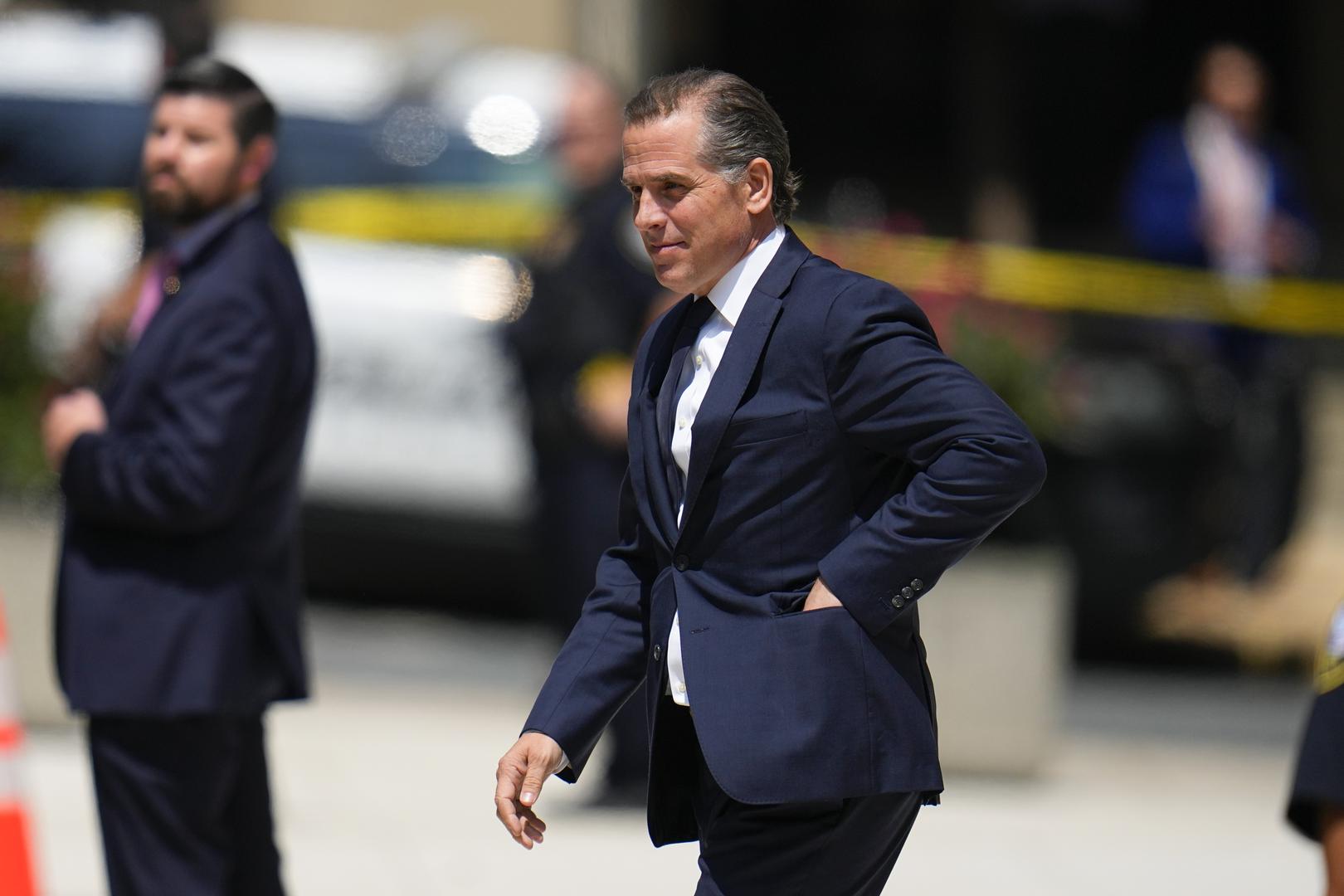
Hunter Biden’s ability to speak so freely now is, itself, a constitutional story. Before leaving office, President Biden issued his son a sweeping pardon for a wide range of potential federal crimes. That pardon, an almost absolute tool of executive mercy found in Article II, has insulated Hunter from legal jeopardy. It has also, ironically, freed him to provide this unfiltered, and constitutionally significant, historical account of his father’s final days in power.
While driven by personal anger, Hunter Biden’s interview has done the nation a service. It has pulled back the curtain to show how a modern crisis of presidential fitness was handled—not with the constitutional precision of the 25th Amendment, but with the brutal, chaotic tools of a political mutiny.
This is a cautionary tale. It shows that our constitutional safeguards are only as strong as the political will of the people meant to invoke them. When that will is absent, the process can be replaced by a power struggle that is dangerous for the stability of the republic.