
“Whatever Means is Necessary”: A Presidential Directive and a Fourth Amendment Crisis
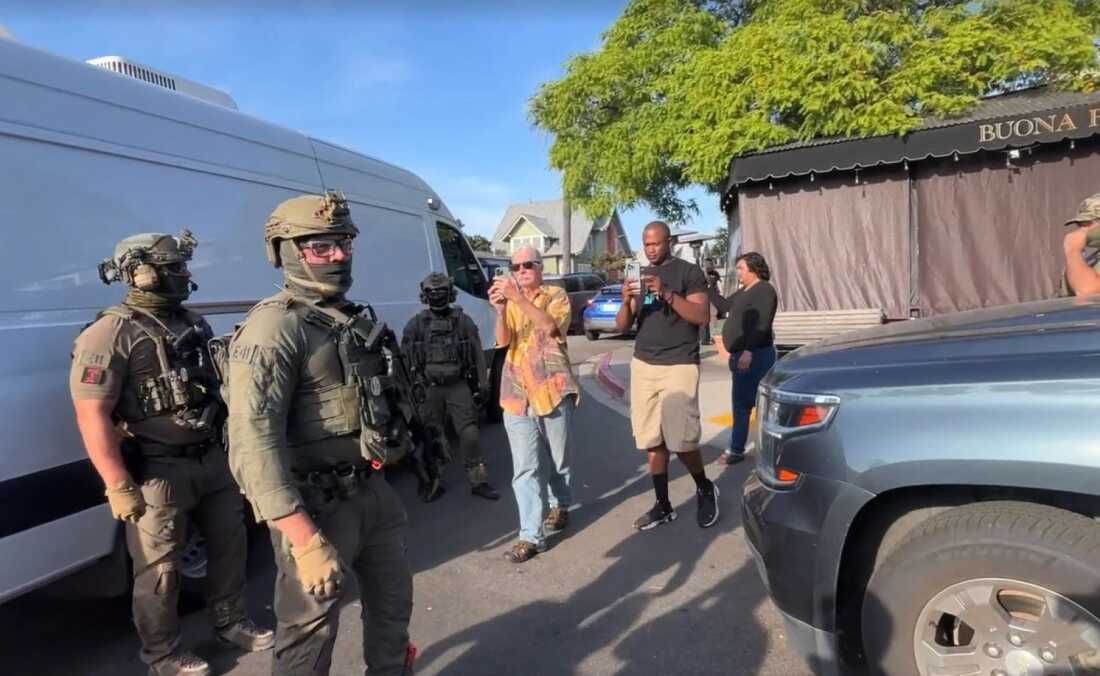
In a furious social media post Friday evening, President Trump responded to news of protesters throwing rocks at federal vehicles by issuing a stunning new directive. He announced he was giving “Total Authorization” for ICE and other federal law enforcement officers to arrest those responsible, “using whatever means is necessary to do so.”
No reasonable citizen condones violence against law enforcement. An attack on the officers who uphold our laws is an attack on the rule of law itself. But the President’s proclamation, born from a moment of legitimate anger, is a deeply troubling and constitutionally dangerous edict. It is a directive that appears to grant new, undefined powers to federal agents, creating a legal gray zone that threatens to override the strict limits on the use of force established by the Constitution and the Supreme Court.
A Proclamation of Force
The President’s post is an exercise in raw executive authority. It instructs federal agents who are on the “receiving end of thrown rocks, bricks, or any other form of assault” to stop their vehicles and make arrests. This, in itself, is not controversial; law enforcement officers already have the authority to arrest individuals who are assaulting them.
The constitutional crisis lies in the authorization to use “whatever means is necessary” and the President’s claim of granting “Total Authorization.” This language implies that the President is either creating a new, broader use-of-force standard by proclamation, or, more dangerously, that he is encouraging federal officers to ignore the existing legal constraints that govern their conduct. A president cannot, via social media, suspend the Fourth Amendment.
The Constitutional Standard: The Fourth Amendment vs. “Whatever Means is Necessary”
The use of force by law enforcement is not a matter of presidential whim. It is one of the most strictly governed areas of constitutional law. The Fourth Amendment protects citizens from “unreasonable seizures,” which includes arrests and the force used to carry them out.
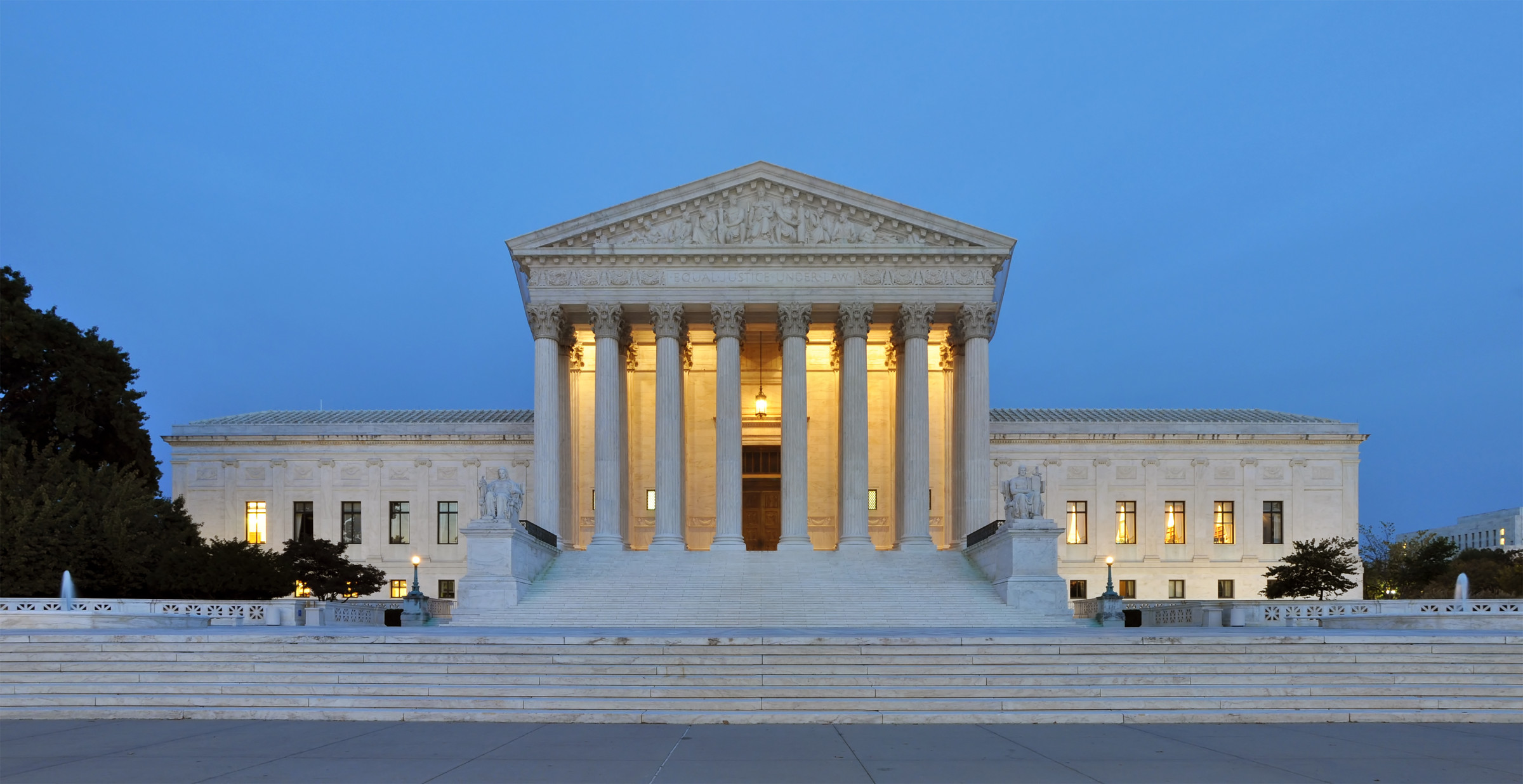
In the landmark 1985 case Tennessee v. Garner, the Supreme Court established the constitutional standard for the use of deadly force. The Court ruled that deadly force may not be used to stop a fleeing suspect unless the officer has probable cause to believe that the suspect poses a significant threat of death or serious physical injury to the officer or others. Throwing a rock is a dangerous felony, but it does not automatically grant an officer the right to use deadly force against that person, especially if they are no longer an active threat.
The President’s dangerously vague phrase, “whatever means is necessary,” is a direct challenge to this established constitutional precedent. Does it authorize an officer to use deadly force against a person who threw a brick and is now running away? Under the standard set by the Supreme Court, the answer is a clear no. The President’s post appears to encourage a use-of-force standard that is fundamentally unconstitutional.
A Recipe for Chaos: Law Enforcement in a Legal Gray Zone
This presidential directive puts federal officers in an impossible and perilous position. They are sworn to uphold the Constitution and are trained on specific, legally-vetted use-of-force policies rooted in decades of court precedent. Are they now supposed to follow that training, or are they to follow the ambiguous, emotional directive of the Commander-in-Chief on social media?
An officer who uses excessive force based on this post would not be immune from legal consequences. They could still be criminally prosecuted, face civil lawsuits, and lose their career. A vague authorization from the President is not a legal defense for violating a citizen’s constitutional rights. Rather than supporting law enforcement, a directive like this creates legal jeopardy for the very officers it claims to protect and invites chaos by blurring the lines of lawful conduct.

Protecting our law enforcement officers is a vital national interest. But a president who encourages them to operate in a constitutional gray zone, with vague and legally suspect authorizations of force, is not supporting them—he is endangering them, the citizens they interact with, and the rule of law itself. The foundation of law and order is not raw power, but the law itself—clear, established, and constitutionally sound. A directive to use “whatever means is necessary” is an invitation to abandon that foundation, a path that leads not to order, but to tragedy and tyranny.