
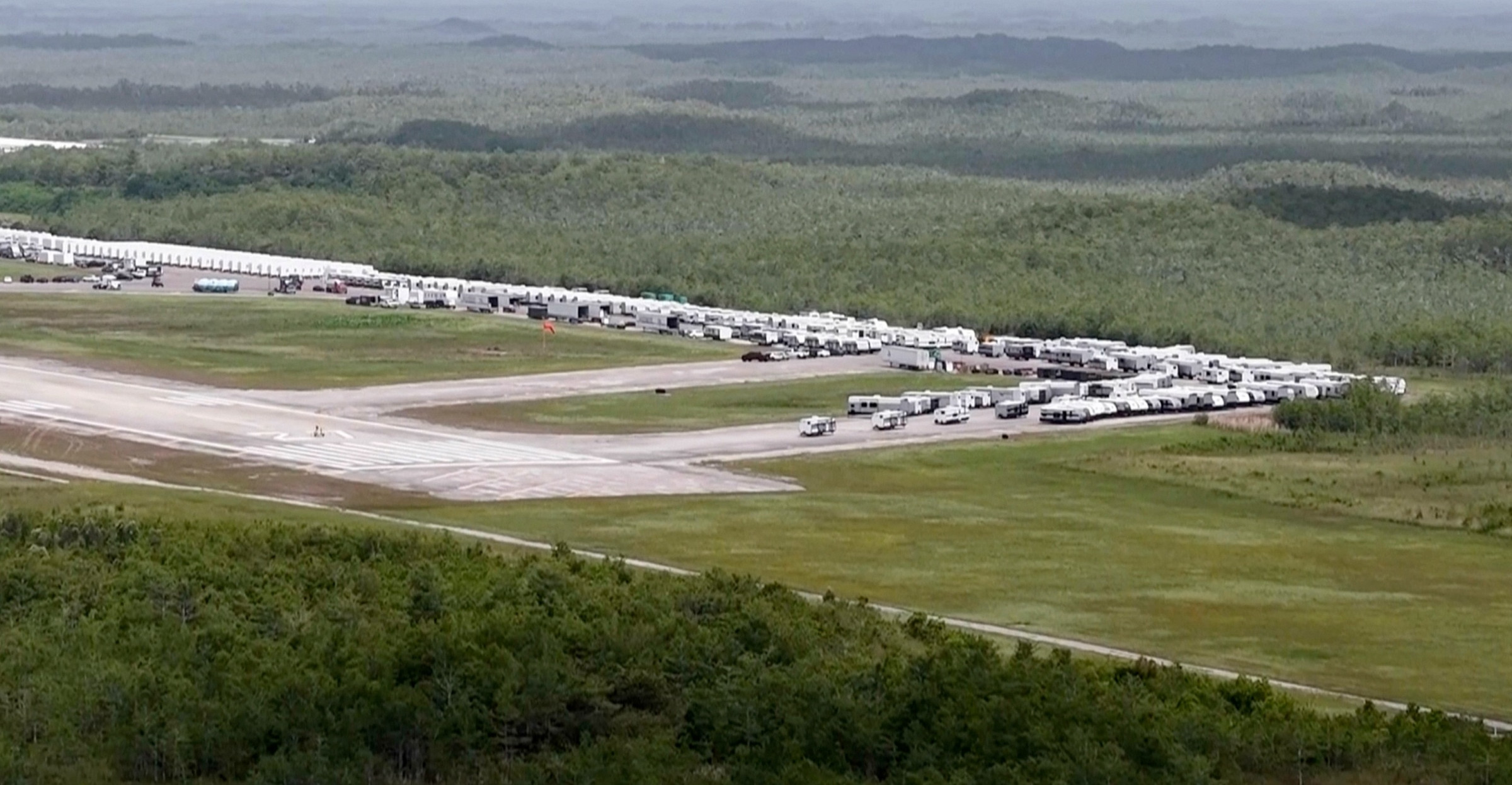
Deep in the Florida Everglades, on an isolated airstrip surrounded by miles of marshland teeming with wildlife, a new and formidable structure has risen with astonishing speed. It is a sprawling complex of temporary buildings and chain-link fences topped with barbed wire, capable of housing up to 5,000 people.
The Trump administration and its allies in Florida have given it a name that is both a boast and a warning: “Alligator Alcatraz.”
This facility, built under a state of emergency to serve as a “one-stop shop” for mass deportations, represents more than just an expansion of federal detention capacity. It is a potent symbol of a new, hardline approach to immigration enforcement. But as a legal and constitutional matter, it raises profound questions about due process, humane treatment, and the very nature of civil detention in America.
Deterrence as Doctrine
The rhetoric surrounding Alligator Alcatraz is deliberately stark. Proponents, from the President to Florida’s Attorney General, have leaned into the facility’s menacing nickname and remote, unforgiving location.
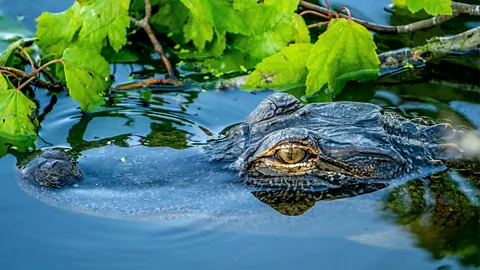
President Trump himself has noted the security provided by the surrounding swamp, joking that the alligators are “bodyguards” you don’t have to pay. The message is clear and twofold: the facility is inescapable for those inside, and its harsh reputation is meant to serve as a powerful deterrent to others considering crossing the border.
This framing presents immigration enforcement not just as a legal process, but as a form of psychological and punitive theater. The stated goal is to make the consequences of unlawful entry appear so severe that it discourages the attempt in the first place.
The Question of Due Process
While the political messaging is about deterrence, the constitutional questions center on due process. Immigration detention is technically a civil, not criminal, matter. The purpose is not to punish, but to ensure an individual appears for their immigration hearings and can be removed from the country if a judge issues a final order of deportation.
The Fifth Amendment’s Due Process Clause applies to every person on U.S. soil, regardless of citizenship status. It guarantees that the government cannot deprive someone of liberty without following fair procedures.
“Immigration detention is technically a civil matter, not meant for punishment. The core constitutional question is whether the conditions at a facility like ‘Alligator Alcatraz’ cross the line from civil confinement into unconstitutional punishment.”
Critics argue that the very design and location of Alligator Alcatraz undermine these rights. Its remote location, 45 miles from downtown Miami, poses a significant obstacle to accessing legal counsel—a critical component of a fair immigration hearing. For detainees, securing a lawyer is already difficult; placing them in a facility hours away from major legal aid hubs could make it nearly impossible.
Conditions of Confinement
Beyond access to lawyers, the conditions of the facility itself are under intense scrutiny. While officials insist that detainees will have air conditioning, medical care, and recreation, human rights advocates and legal experts are deeply skeptical.
They point to a long history of documented issues in other ICE detention centers, including inadequate medical care, unsanitary conditions, and abuse. The fear is that a massive, hastily constructed facility in the oppressive heat and humidity of the Everglades is a recipe for a human rights disaster.
If the conditions are found to be punitive or deliberately indifferent to the serious health and safety needs of detainees, they could be challenged in court as a violation of the Fifth and Eighth Amendments.
Legal and Environmental Challenges
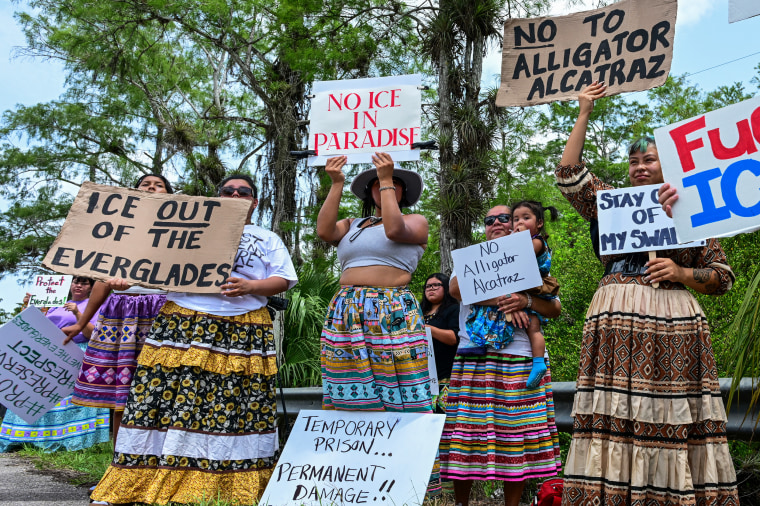
The facility is already facing legal challenges, though they are currently focused on environmental law. A coalition of environmental groups has filed a federal lawsuit arguing that the rapid construction violated the National Environmental Policy Act by bypassing required environmental impact reviews. They contend the facility threatens the delicate Everglades ecosystem and sacred lands of the Miccosukee and Seminole tribes.
“This scheme is not only cruel, it threatens the Everglades ecosystem that state and federal taxpayers have spent billions to protect.” – Eve Samples, Executive Director, Friends of the Everglades
While these lawsuits are environmental in nature, they represent the first legal front in what is likely to be a multi-pronged battle over the facility’s existence. Future lawsuits will almost certainly focus on the constitutional and human rights of the individuals detained there.
A Symbol of a Deeper Conflict
“Alligator Alcatraz” is more than just a detention center. It is the physical manifestation of a fierce national debate over immigration. For the administration and its supporters, it is a necessary and bold tool to restore order and enforce the law. For critics, it is a symbol of a cruel and unconstitutional approach that sacrifices human dignity and due process for the sake of political messaging.
The legal battles over this remote facility will force the courts to weigh a president’s authority to enforce immigration law against the fundamental rights guaranteed to every person under the Constitution. The outcome will have lasting implications for how America defines justice and humanity within its borders.