
The U.S. Constitution
Archival records, profiles, and educational resources since 1995.
SLAPP Suits and Anti-SLAPP Laws Explained
You can sue someone for defamation. You can sue over a broken contract. In practice, you can file a lot of lawsuits if you can pay a filing fee and draft a complaint. But that does not mean you can file anything without consequence. Pleading standards apply. Some claims require pre-suit steps like...
Read more →
The Privacy Act of 1974 Explained
You can spend your whole life hearing that you have a “right to privacy,” and still be surprised by what the federal government can record about you, keep about you, and share about you. The Privacy Act of 1974 is one of the main federal statutes that keeps the government from treating your...
Read more →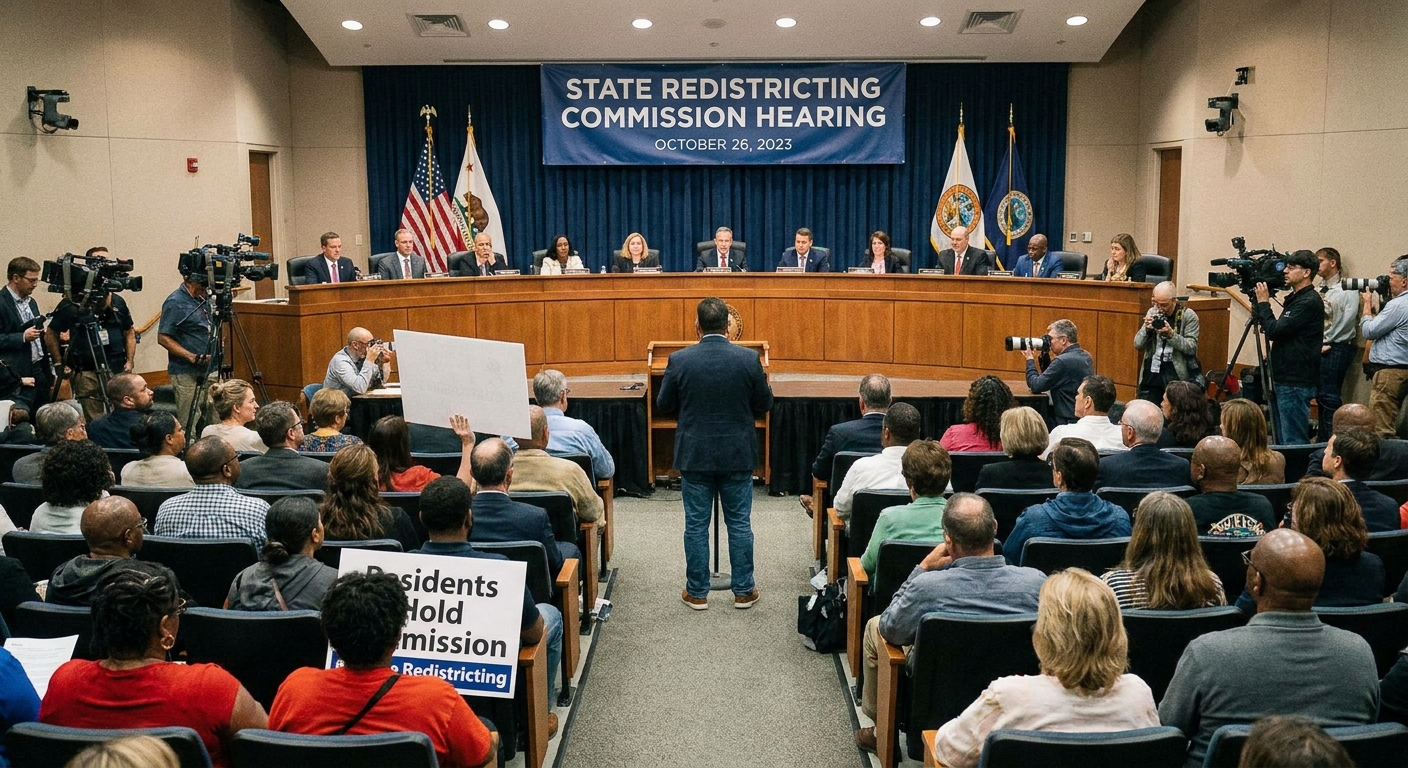
How Independent Redistricting Commissions Work
Redistricting is one of the few government actions that can change your political reality without changing a single voter’s mind. One set of lines can turn a competitive state into a safe one, protect incumbents for a decade, and quietly decide which communities get listened to and which ones get...
Read more →
AUMF Explained
America has a constitutional switch for war. It is supposed to click in Congress. That is the design. But it has never been a perfect on off system. Presidents have long argued that the Commander in Chief role includes some ability to use force quickly, especially to repel attacks, protect U.S....
Read more →
Probation vs Parole
Probation and parole get treated like interchangeable words in everyday conversation. They are not. They sit in different places in the criminal justice pipeline, they come from different legal decisions, and they carry different assumptions about what the government is doing when it supervises...
Read more →
Dark Money and 501(c)(4) Spending in Elections
“Dark money” is one of those phrases that sounds like it should have a definition carved into federal law. It does not. More precisely, there is no single statutory definition used across federal campaign-finance law . Instead, it is a common shorthand used by journalists, watchdog groups, and...
Read more →
Mail-In Voting and Absentee Ballots
Mail voting feels simple until you cross a state line. In some states, you have to ask for a ballot and provide a reason. In others, eligible voters on the active registration list are sent a ballot automatically (and “active” vs “inactive” status can matter). Some states count a ballot if...
Read more →
Campaign Contribution Limits and Disclosure
Most Americans have a gut-level sense that campaign money is regulated. There are “limits,” there are “PACs,” and somewhere in the background the Federal Election Commission is supposed to be watching the books. All of that is true. It is also incomplete. Federal campaign finance law is...
Read more →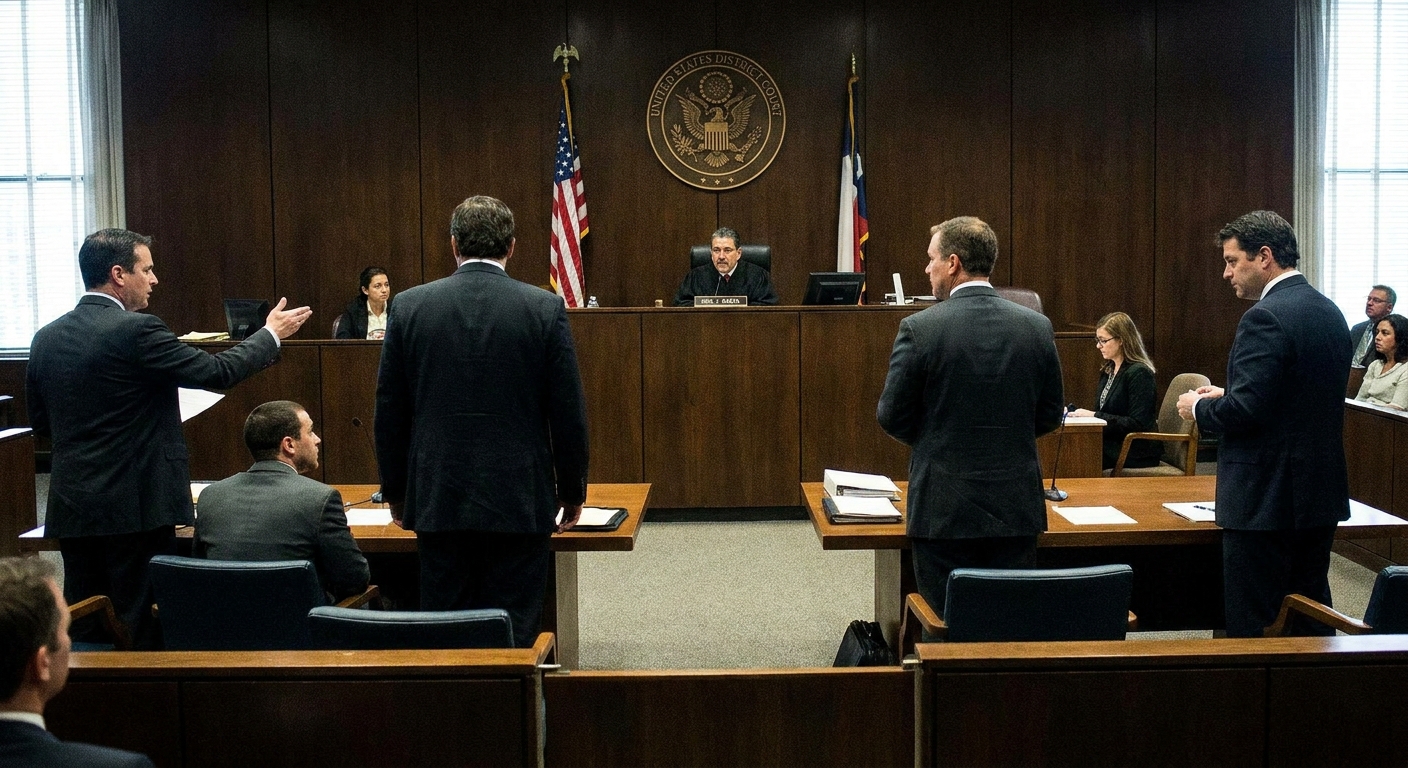
Federal Sentencing Guidelines Explained
Federal sentencing has a reputation for being mechanical. Plug the crime into a formula, out comes a prison range, and everyone pretends the number was inevitable. Reality is more complicated, and more human. The federal system does use a structured framework called the U.S. Sentencing Guidelines ....
Read more →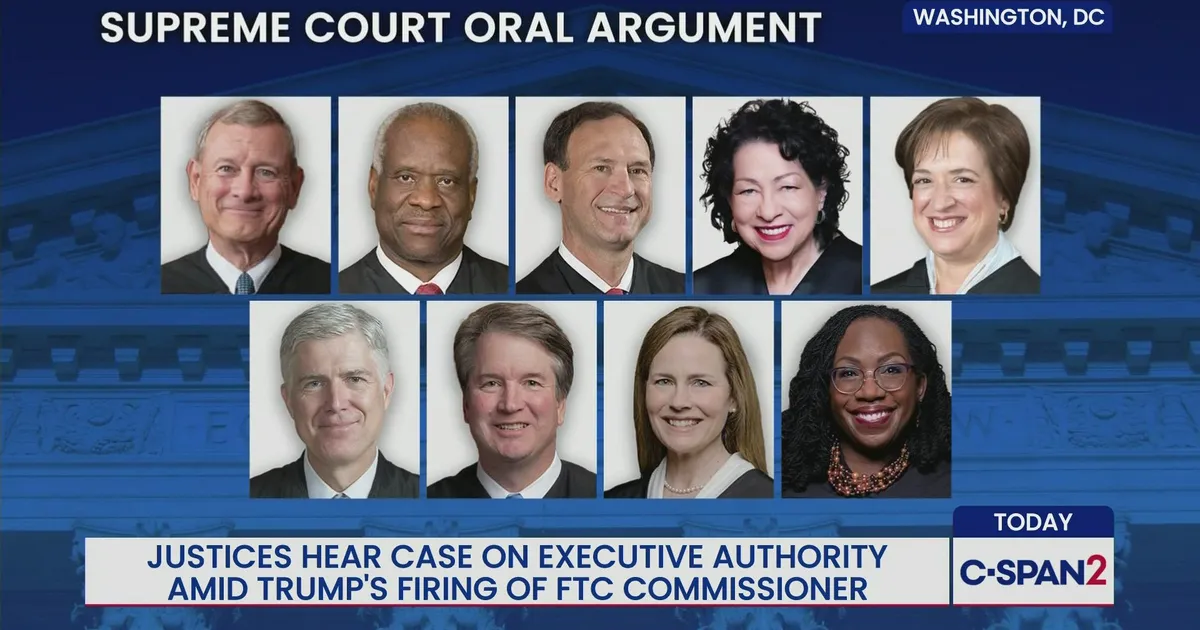
How Supreme Court Oral Arguments Work
Supreme Court oral argument is the part of a case most people can picture: nine justices on a bench, a single lectern, and lawyers trying to answer questions without saying the one sentence that sinks their side. But what the public sees as the event is, for the Court, a very specific tool. Oral...
Read more →
How Midterm Elections Work
Midterm elections often function as the country’s constitutional pressure valve. They happen in the middle of a president’s four-year term, and they can quietly rewrite what the federal government is capable of doing for the next two years. People often describe midterms as a “referendum”...
Read more →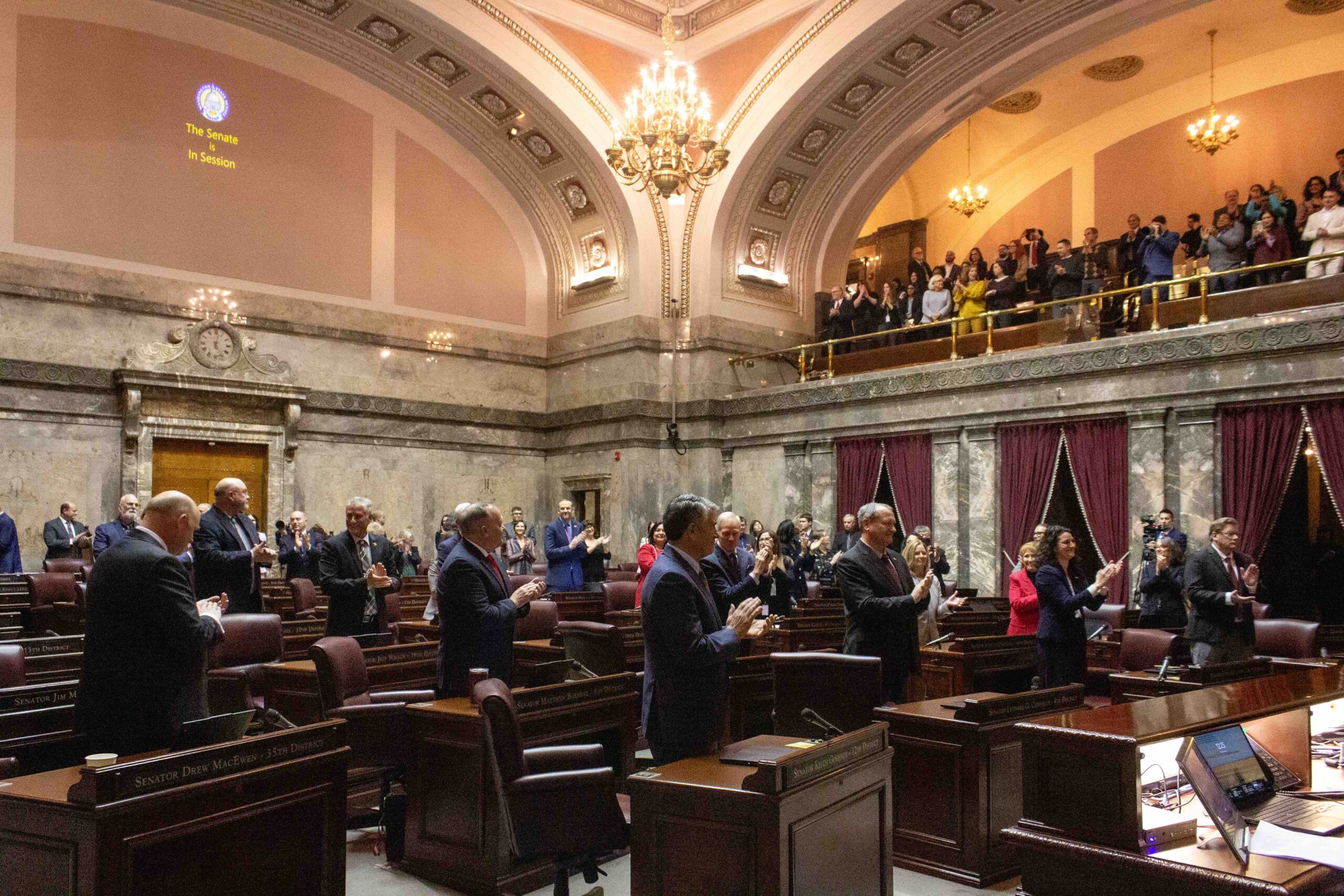
Senate Leadership: Majority Leader, Minority Leader, and Whips
The U.S. Senate is often described as a chamber of individual lawmakers, each with one vote and the same formal standing as a senator. That is true in the basic sense. In practice, the Senate runs on leadership. Not because leaders can order senators around, but because someone has to decide what...
Read more →
The RICO Act Explained
You have probably heard RICO described as the law for mob bosses. It is often framed that way. But RICO is not just a “mob law.” It is a charging tool, built to connect the dots between people, crimes, money, and the structure that makes the crimes repeatable. RICO stands for the Racketeer...
Read more →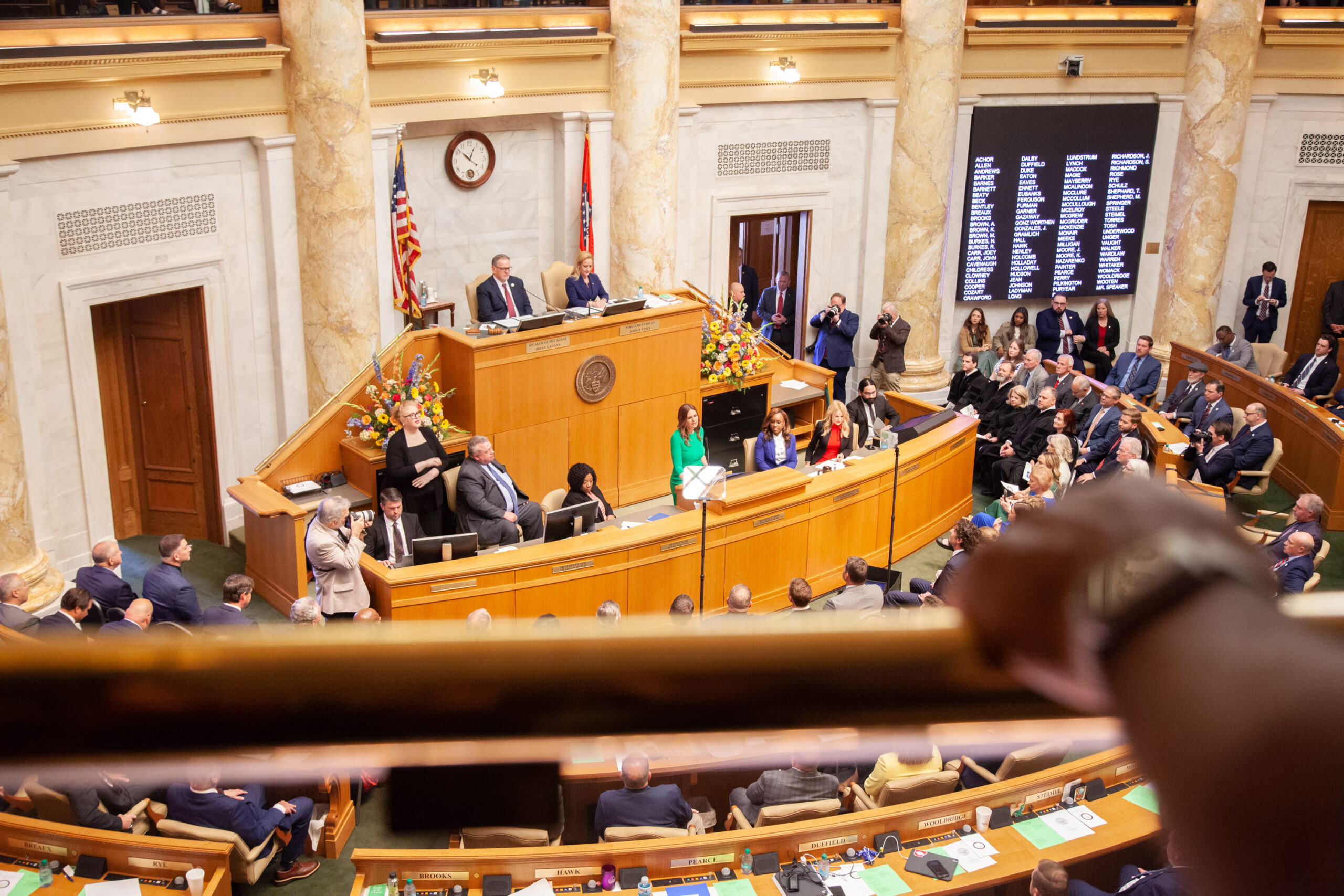
The Contract Clause Explained
The Constitution has plenty to say about what Congress cannot do. But Article I, Section 10 is where the Founders turned around and aimed a few hard limits at the states. One of those limits is blunt: “No State shall… pass any… Law impairing the Obligation of Contracts.” At first glance,...
Read more →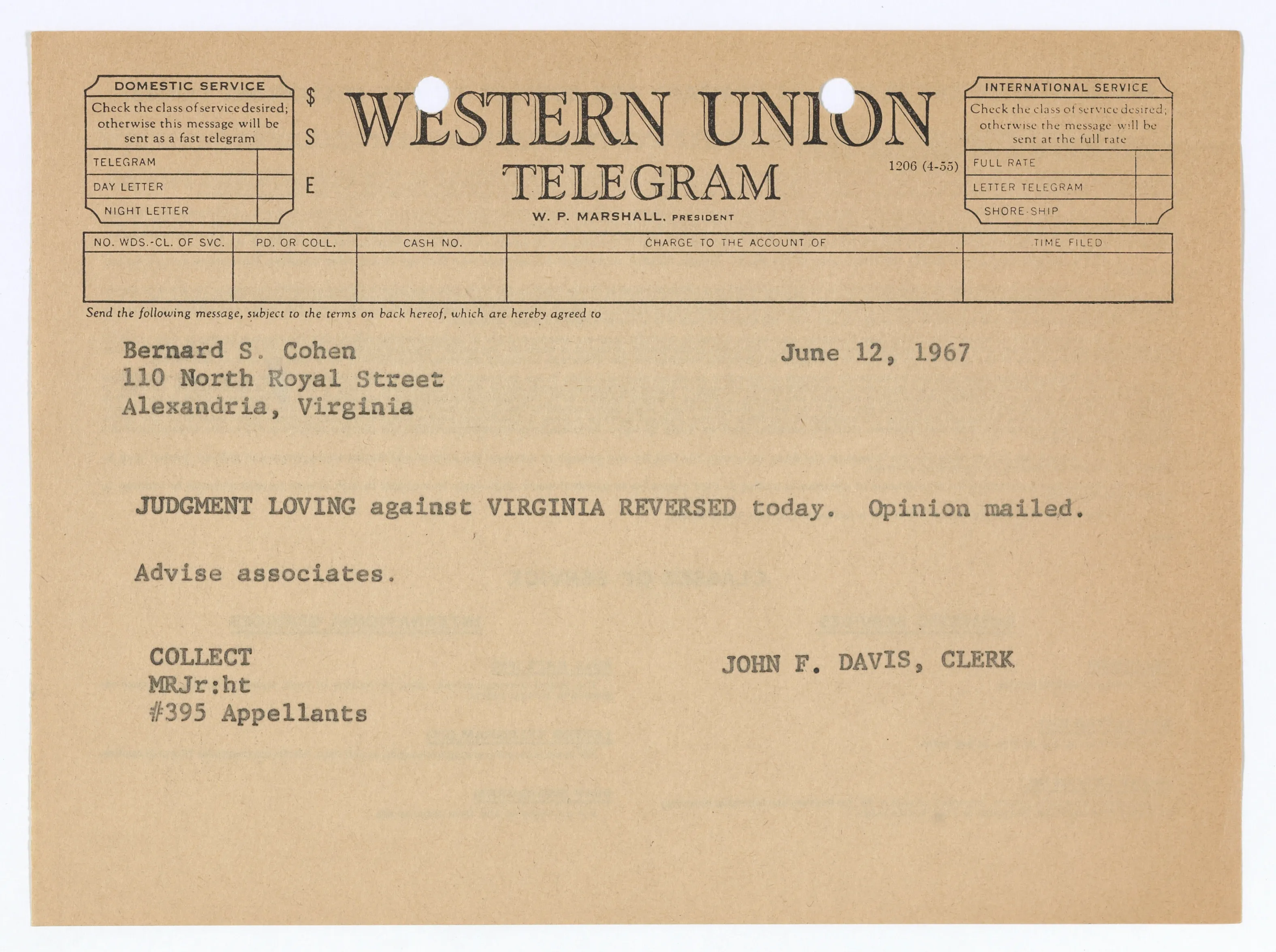
Substantive vs. Procedural Due Process
“Due process of law” sounds like courtroom vocabulary: judges, evidence, paperwork, and the ritual of fairness. That is part of it. But “due process” also does something else. Courts have used it to identify certain freedoms government cannot take away even if it follows perfect procedures....
Read more →
The Suspension Clause Explained
Habeas corpus is one of those constitutional ideas that sounds like legal Latin until you realize what it does in plain English: it gives a detained person a way to ask a judge whether the government has lawful authority to hold them. Now here is the part most people miss. The Constitution does not...
Read more →
The Guarantee Clause Explained
You have probably heard a politician say something like, “We are a republic, not a democracy.” It sounds like a slogan. But tucked into the Constitution is a sentence that actually uses the word “republican” as a legal promise. Article IV, Section 4 declares: the United States “shall...
Read more →
Ex Post Facto Laws and Bills of Attainder
Some constitutional limits are famous because they get quoted in speeches. Others do their work quietly, like load-bearing beams you only notice when they crack. The bans on ex post facto laws and bills of attainder are in that second category. Both are aimed at the same temptation: when a...
Read more →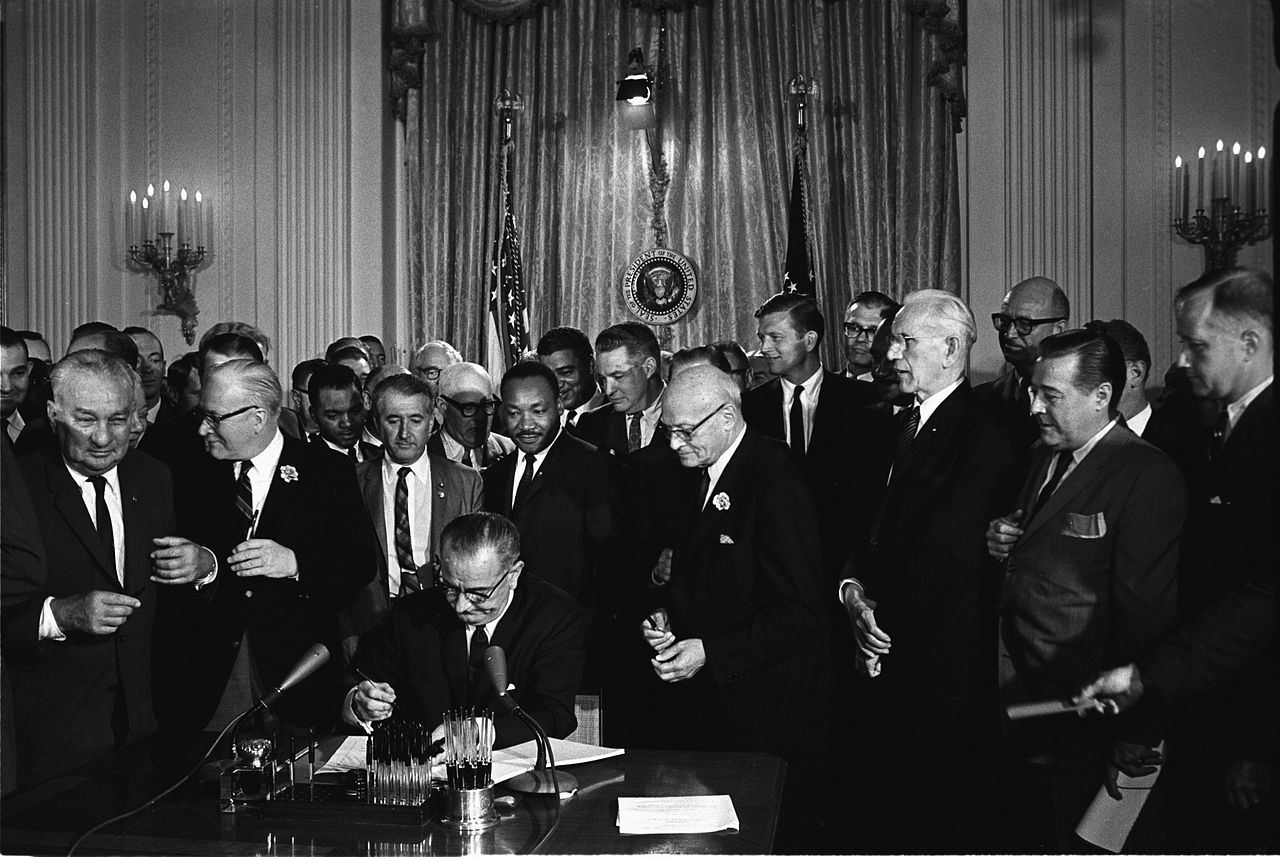
Civil Rights Act of 1964: Titles, Rights, and Constitutional Backing
The Civil Rights Act of 1964 is often remembered as a moral turning point, and it was. But it is also a piece of legal engineering: a statute built to do something the Constitution, standing alone, did not clearly require private businesses to do in 1964. The Fourteenth Amendment limits what states...
Read more →
How Class Action Lawsuits Work in Federal Court
When people talk about a class action, they usually mean one thing: a lot of people, one lawsuit, one big check at the end. Federal court treats it as something more specific and more constrained. A class action is a procedural device, a way to bundle many similar claims into a single case so that...
Read more →