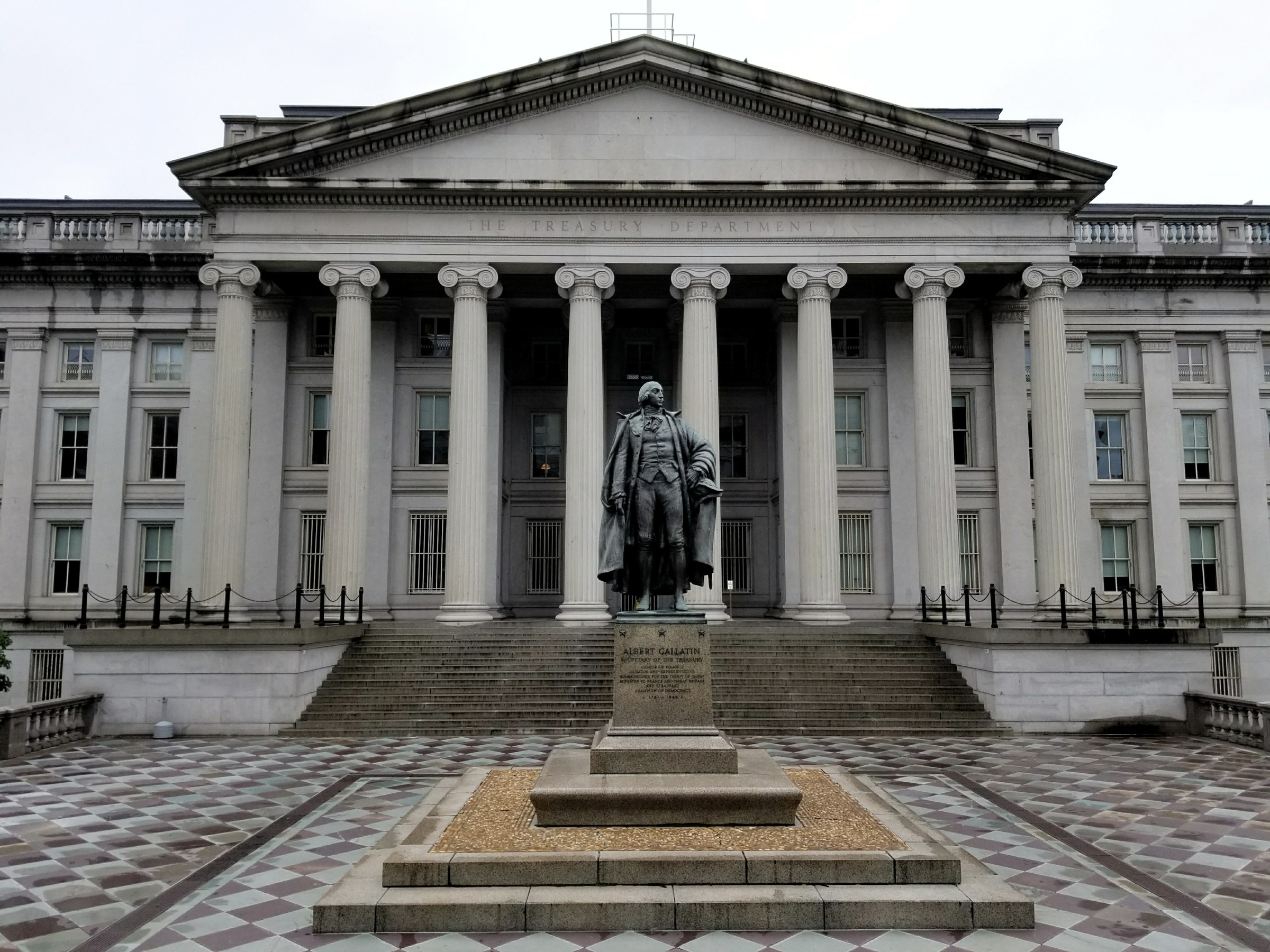
President Donald Trump’s May 4, 2025, Meet the Press interview with Kristen Welker was a whirlwind of bold claims and eyebrow-raising moments.
From shrugging off constitutional duties to doubling down on tariffs, Trump tackled everything from the economy to foreign policy with his signature bravado. Here’s a rundown of the eight most noteworthy moments that have Americans talking, each tied to the Constitution’s role in shaping the stakes for everyday citizens.
1. Dodging the Constitution: “I Don’t Know” on Upholding It
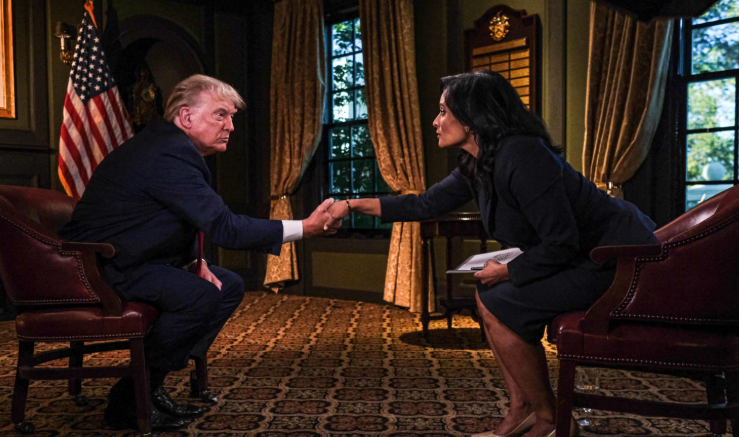
Trump stunned viewers when asked if he must uphold the Constitution, particularly regarding due process for immigrants. His response?
“I don’t know. I’m not a lawyer.”
Pressed on the Fifth Amendment’s guarantee of due process for all persons, he deferred to his “brilliant lawyers” and cited the need for swift deportations. This clashes with his Article II oath to “preserve, protect, and defend” the Constitution, raising alarms about executive accountability. For Americans, this could weaken protections against arbitrary government actions, like unfair detentions.
2. Tariffs as a Weapon: No Retreat on China’s 145%
Trump refused to lower the 145% tariffs on Chinese goods to bring Beijing to the negotiating table, claiming China’s economy is “collapsing” under the pressure. He argued tariffs protect American jobs, despite a 0.3% GDP contraction in Q1 2025.
The Constitution’s Article I, Section 8 gives Congress commerce authority, but Trump’s reliance on the Trade Act of 1974 tests this balance. Consumers face higher prices—think $350 more for an iPhone—while businesses grapple with supply chain chaos.
3. Third-Term Tease: Not Ruling It Out?
When asked about a third term, barred by the 22nd Amendment, Trump said, “This is not something I’m looking to do,” but noted “strong requests” from supporters, pointing to “Trump 2028” merchandise. This ambiguity fuels speculation about constitutional overreach. For voters, it raises questions about democratic norms and whether Trump respects term limits, a cornerstone of the republic’s stability.

4. Economic Deflection: Blaming Biden for the Slump
Trump pinned the economy’s woes—a 0.3% GDP drop in Q1 2025—on Biden, calling the “bad parts” the “Biden economy.” Despite Welker noting that most of the quarter fell under his watch, Trump insisted his policies, like tariffs, are turning things around.
The Constitution’s checks, like Congress’s budget power, could curb his economic moves if losses mount. Americans feel the pinch with rising costs, from groceries to gas, as tariffs ripple through markets.
“Biden gave us the worst inflation in the history of our country.”

5. Canada Annexation Talk: A “51st State” Jest?
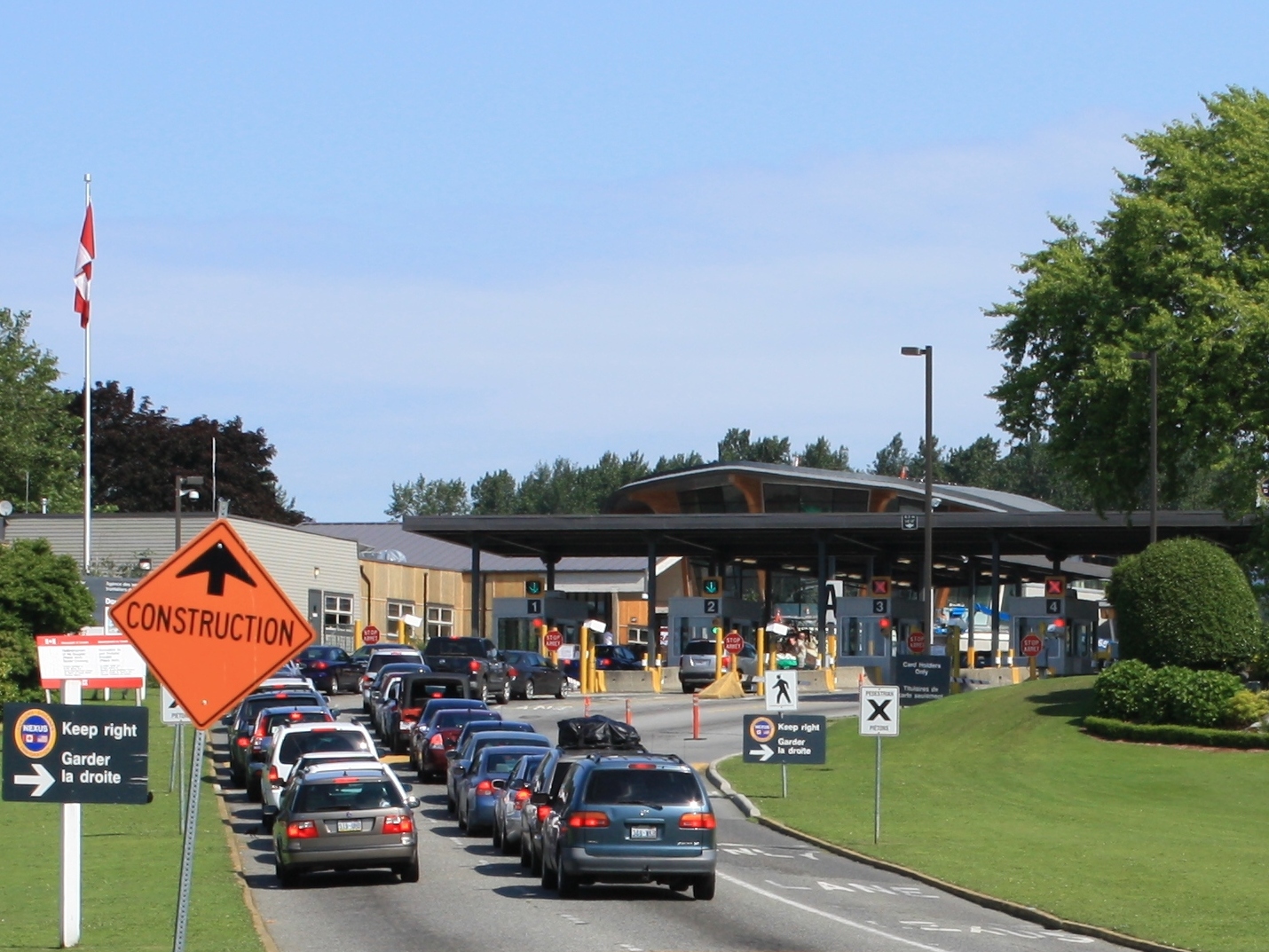
Trump downplayed his repeated quips about annexing Canada, saying he’s not serious but loves the idea of it becoming the “51st state.” He tied this to trade disputes, claiming Canada’s economy depends on the U.S. The Constitution’s Article IV governs new state admissions, requiring congressional approval, making this a non-starter. For Americans, it’s a distraction from real trade issues, like Canada’s 25% retaliatory tariffs hitting U.S. exports.
6. Military Parade Plans: A June Spectacle
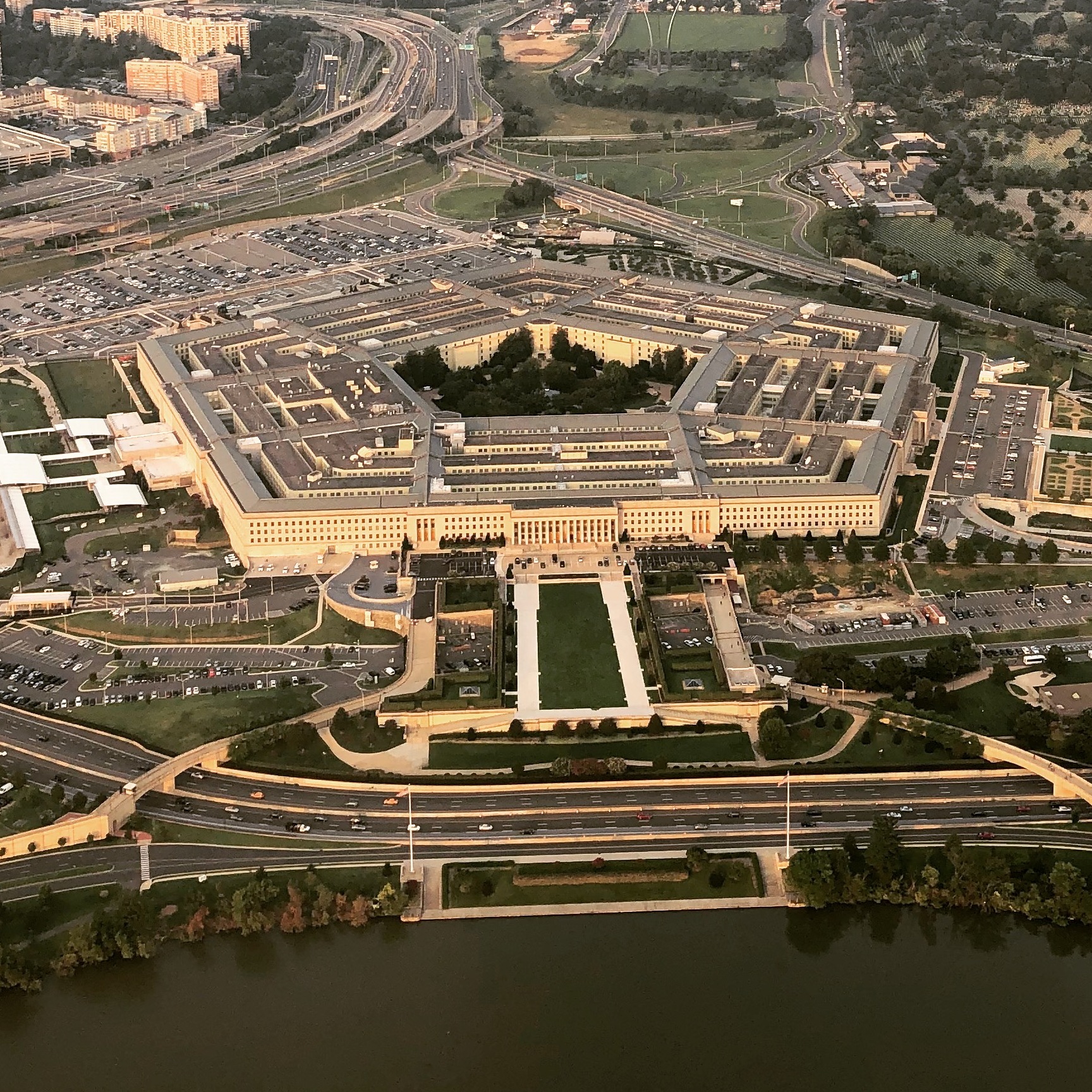
Trump announced a grand military parade for June 2025, calling it a “celebration of U.S. strength” despite its high cost. He dismissed budget concerns, saying it’s “worth it.”
The Constitution’s Article I gives Congress spending authority, so funding this could spark debates. For taxpayers, the parade’s price tag—potentially millions—competes with urgent needs like infrastructure or healthcare.
7. Greenland and Military Force: Not Off the Table
Trump didn’t rule out using military force to acquire Greenland, saying, “I’d love to have Greenland,” but stressed it’s not a priority. He framed it as a national security asset.
The Constitution’s Article II designates the president as commander-in-chief, but war powers require congressional approval under Article I. For Americans, this raises fears of costly foreign entanglements diverting resources from domestic priorities.
8. Recession Shrug: “Everything’s OK”
Trump brushed off recession fears, saying a downturn would be “OK” for long-term gains, calling his policies a “transition period.” Despite the S&P 500 dropping 10% since his inauguration, he predicted a “fantastic” future.
The Constitution’s checks, like the Federal Reserve’s independence, could counter his policies if inflation spikes. For families, a recession means higher unemployment and tighter budgets, with tariffs already pushing up everyday costs.
The Bigger Picture for Americans
Trump’s interview reveals a presidency pushing constitutional boundaries, from trade to executive power. His tariff strategy, while aimed at boosting U.S. manufacturing, risks economic pain for consumers, with estimates of $1,000 more per household annually.
His constitutional uncertainty threatens due process, potentially affecting citizens caught in legal mix-ups. The third-term and annexation talk, even if half-joking, erodes trust in democratic norms. As Congress and courts respond, Americans face higher prices, job uncertainty, and questions about the republic’s resilience.