
In presidential years, most Americans can tell you what is at stake: the White House. In midterm elections, the stakes are just as real, but the power is easier to miss because it is spread across Congress and the states.
Midterms are the elections held halfway through a president’s four-year term, in the non-presidential even-numbered year. They can produce a cooperative Congress or a hostile one. They can elevate new political movements, redirect national priorities, and decide who writes the laws that shape everything from taxes to war powers to voting rules.
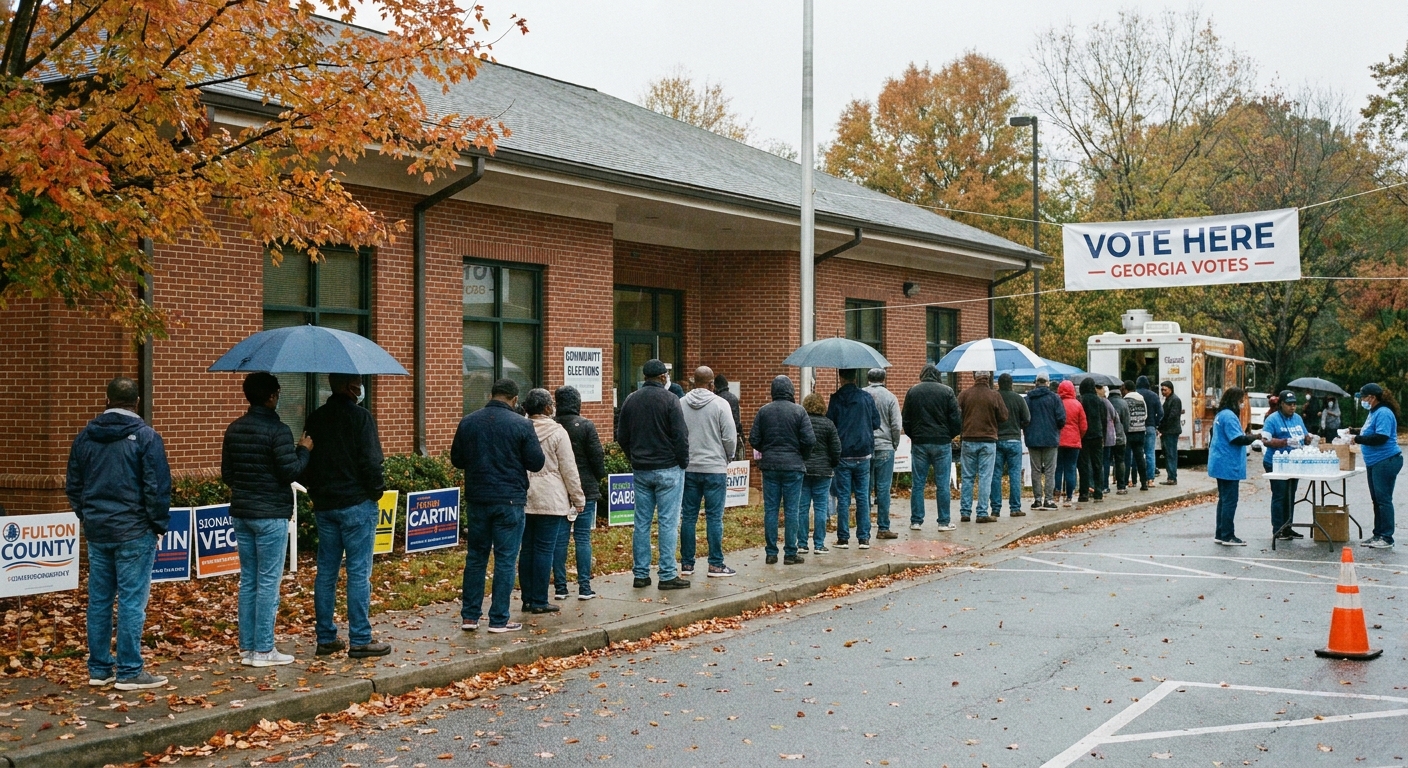
Join the Discussion
Midterm elections, defined
A midterm election is the general election that happens in the even-numbered year between presidential elections. Because presidential elections occur every four years, midterms occur in years like 2018, 2022, and 2026.
It also helps to be precise about language: the United States holds federal general elections every even-numbered year because the House is always on the ballot. The term “midterm” typically refers to the non-presidential even-numbered year that lands in the middle of a president’s term.
They matter because the Constitution creates staggered terms of office:
- All U.S. Representatives serve two-year terms, so the entire House is up every federal election, including every midterm.
- U.S. Senators serve six-year terms, so about one-third of the Senate is up every midterm.
- Many governors and state and local officials are also on the ballot, depending on the state.
The result is a national election without a presidential race that still has the power to reshape who governs.
What is on the ballot in a midterm?
The U.S. House of Representatives
The House is the most directly responsive federal institution. Every district elects one Representative every two years. That is why the House can flip quickly, and why midterms often produce big swings.
Constitutional anchor: Article I, Section 2 sets the two-year term and requires that members be “chosen every second year by the people of the several States.”
The U.S. Senate
Roughly 33 or 34 Senate seats appear in each midterm, because Senate terms are staggered. That means a midterm can still change Senate control, but the playing field depends on which states are up that year.
Constitutional anchor: Article I, Section 3 establishes the Senate and six-year terms. The Seventeenth Amendment later required direct election of Senators.
Governors and state officials
Many states elect governors in midterm years, though not all. Several hold gubernatorial elections in presidential years (for example, New Hampshire and Vermont), and a few run on off-year cycles (for example, New Jersey and Virginia, plus Kentucky, Louisiana, and Mississippi).
States also elect:
- state legislators
- attorneys general
- secretaries of state
- treasurers and auditors
- judges in states that use elections for the bench
Even when a national race dominates headlines, these offices can determine election rules, criminal justice policy, school funding, redistricting, and the day-to-day administration of state government.
Ballot measures and local offices
Midterms often include statewide initiatives, constitutional amendments, and local measures. Voters may decide questions like tax limits, abortion policy, marijuana legalization, labor rules, or voting procedures depending on state law.
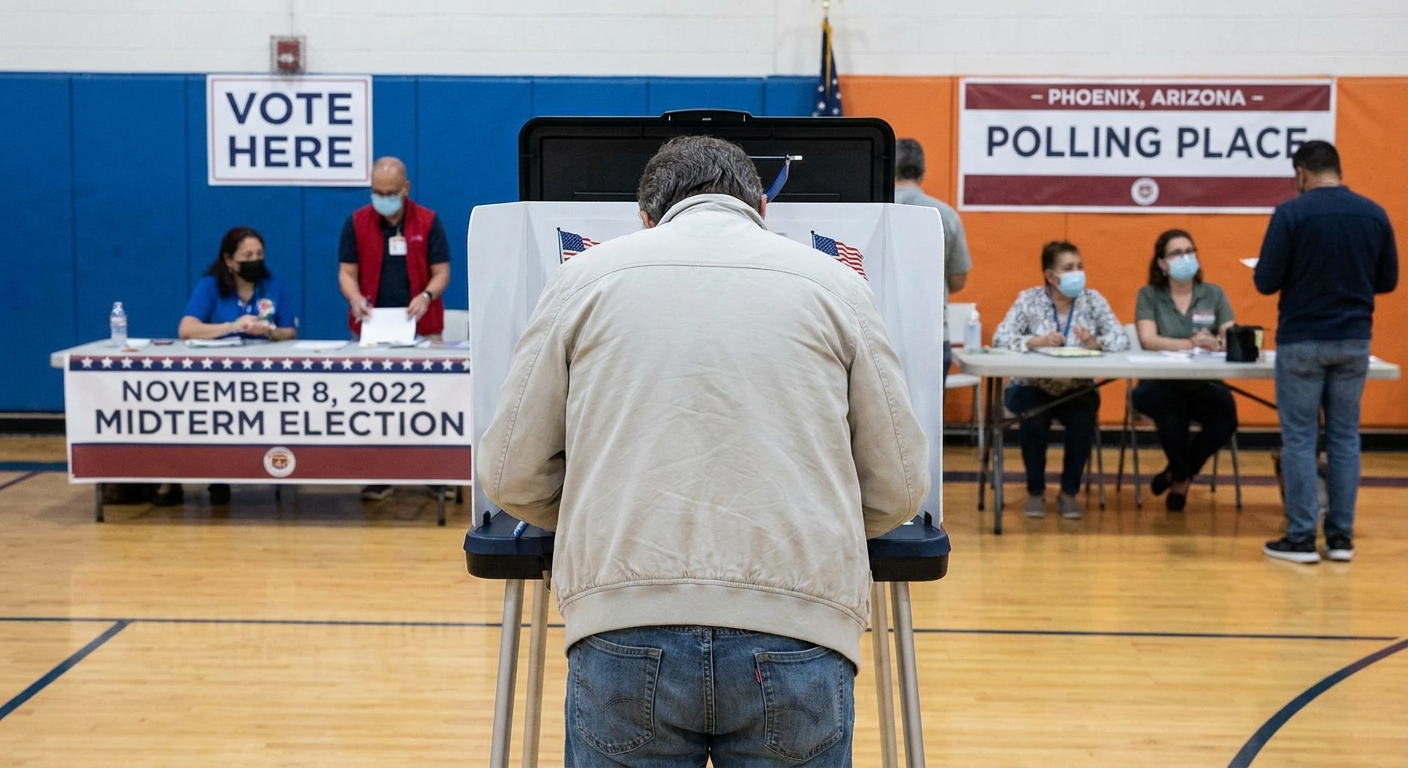
Why midterms can shift national power fast
In practical terms, midterms can decide whether a president can govern through legislation or must rely more on executive action and agency rulemaking that is often easier to challenge in court or reverse later.
The impact is also about timing: Election Day is in November, but the new Congress is seated in early January. That is when committee leadership, agendas, and the governing math of each chamber actually changes.
Congress controls lawmaking and the budget
The Constitution gives Congress the power to legislate and fund the government. That means a shift of a few seats can change:
- which bills reach the floor
- what gets funded or defunded
- whether taxes are raised, lowered, or rewritten
- how oversight of the executive branch is conducted
Constitutional anchors include Article I (legislative powers) and the principle that money is spent only through appropriations enacted by Congress.
One more real-world constraint matters here: even when a party controls a chamber, what can pass may depend on the Senate’s rules and coalition math, including the modern filibuster threshold for most legislation.
Investigations and impeachment are House powers
When the House changes hands, committee chairs change hands. That is not a footnote. It is control over subpoenas, hearings, and investigative priorities.
The House also has the “sole Power of Impeachment” under Article I, Section 2. The Senate has the “sole Power to try all Impeachments” under Article I, Section 3.
The Senate shapes the federal judiciary
Even in a midterm where only part of the Senate is on the ballot, control can affect judicial confirmations. Federal judges serve during “good Behaviour” under Article III, which in modern practice means life tenure.
That is why midterms can influence constitutional law for decades, even when the immediate issue seems to be gas prices or inflation.
Do midterms always go against the president?
Often, yes. It is common for the president’s party to lose House seats in midterms, and sometimes Senate seats too. Political scientists point to a few recurring dynamics:
- Turnout changes. Midterms usually draw fewer voters than presidential elections, and the electorate can skew older and more regular.
- Referendum effect. Voters use midterms to reward or punish the party in power based on current conditions.
- Intensity gap. The party out of power frequently has more motivation to show up.
But “common” is not “automatic.” Major events, strong economic conditions, or highly salient issues can disrupt the pattern. The real constitutional point is simpler: the system is designed to allow voters to rebalance power midstream.
How midterms fit the Constitution’s design
The Founders built a republic that changes leadership in layers, not all at once. Midterms are not an accident of modern politics. They are a product of staggered terms and separate institutions.
The House: fast feedback
Two-year House terms create a constant election cycle. The theory is that the House remains closely tied to public opinion and local concerns.
The Senate: slower stability
Six-year Senate terms and staggered elections create continuity. The Senate can shift, but not all at once, unless the change is sustained across multiple elections.
Federalism: states matter in national outcomes
States run elections, draw district lines, and set many of the rules that determine who participates and how. That is why state races and ballot measures in midterm years can matter far beyond state borders.
Midterms vs. primaries
People sometimes use “midterm” to mean any election held between presidential elections, including primaries. But the terms are different:
- Primaries are party nomination contests, often held in the spring or summer. Rules vary widely by state and party.
- The midterm general election is the November election where voters choose the officeholders.
Both matter, but only the general election actually fills the seats.
When are midterm elections held?
Federal law sets Election Day as the Tuesday after the first Monday in November. Midterms follow that schedule in the non-presidential even-numbered year between presidential elections.
States may offer early in-person voting, vote by mail, and other options that expand the “season” of voting, but the official federal Election Day remains the anchor.
Why midterms matter even if you do not love politics
If you care about what government can do to you, and what it must do for you, you are already inside constitutional territory.
Midterms decide who writes statutes, who oversees the executive branch, and who confirms judges. They also decide state officials who administer elections, shape education policy, and enforce civil rights laws. Many of the most consequential changes in American life do not begin with a presidential speech. They begin with a midterm ballot most people barely remember filling out.
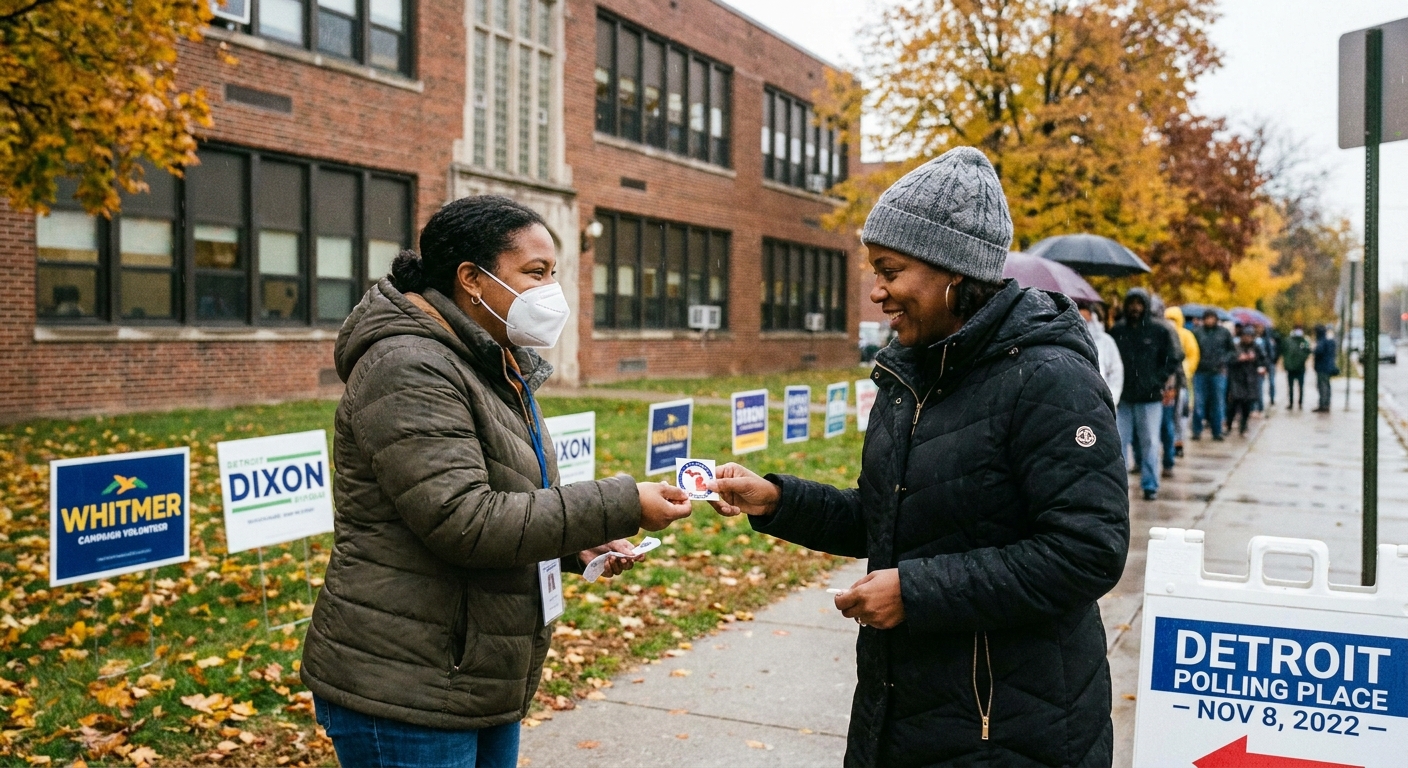
Quick answers
What are midterm elections in the USA?
They are elections held halfway through a president’s term, in the non-presidential even-numbered year, when voters choose all members of the U.S. House, about one-third of the U.S. Senate, and many state and local officials.
Do midterms elect a president?
No. Midterms do not include a presidential race. They can, however, determine whether the president can pass legislation.
How often are midterms?
Every four years per presidential term, but federal elections happen every two years. “Midterm” usually refers to the non-presidential even-numbered year between presidential elections.
Why is turnout lower in midterms?
Without a presidential race, fewer people feel immediate urgency. The voters who do show up are often those with stronger partisan motivation or deeper habits of civic participation.
A constitutional way to think about midterms
The Constitution does not promise a government that moves quickly. It promises a government that must repeatedly ask permission.
Midterms are one of the built-in moments when the public can answer back, not in theory, but in the actual mathematics of seats, committee chairmanships, budgets, investigations, and confirmations. If presidential elections are about direction, midterms are about leverage.